Finding meals that are kind to both your waistline and your wallet has never felt more relevant. With food prices remaining a concern for many households across the UK, the search for cheap low calorie meals continues to grow. These are not about restriction or bland plates of boiled vegetables. Done well, they deliver flavour, satisfaction and proper nutrition using everyday supermarket staples.
Whether you are managing your weight, feeding a family on a tight budget or simply trying to eat more mindfully, affordable low-calorie cooking is entirely achievable. The key lies in choosing filling ingredients that stretch further, planning a little ahead and making the most of what is already in your cupboards. This approach has long been practised in thrifty British kitchens and remains just as useful today.
Why Cheap Low Calorie Meals Matter
Rising living costs have pushed more people to look carefully at weekly food spending. At the same time, many want to maintain or improve their health. Cheap low calorie meals sit at the useful intersection of these two goals. Meals built around pulses, eggs, seasonal or frozen vegetables, oats and modest portions of lean protein can keep daily energy intake moderate while still providing protein, fibre and essential nutrients.
Research and practical guidance from sources such as the British Heart Foundation and NHS-backed resources consistently show that balanced, lower-calorie eating supports long-term health when it remains sustainable. Sustainability improves when the food is enjoyable and does not empty the bank account. Filling ingredients such as lentils and beans help control hunger, reducing the temptation to reach for more expensive snacks later.
These meals also cut food waste. Buying versatile staples and using leftovers creatively means less of the weekly shop ends up in the bin. Over time the savings add up, and the habit of cooking simply becomes second nature.
Essential Ingredients for Affordable Low-Calorie Cooking
A well-stocked but modest store cupboard forms the backbone of cheap low calorie meals. Dried lentils and chickpeas cost very little per portion yet deliver protein and fibre. A 500g bag of red lentils, for example, can form the base of several soups, dals and stews. Tinned beans and chickpeas offer similar convenience with almost no preparation.
Eggs remain one of the best-value complete proteins available. A box of free-range eggs can stretch across breakfasts, light lunches and quick dinners. Oats provide a reliable, filling start to the day for pennies. Frozen vegetables – peas, spinach, mixed stir-fry packs or broccoli – often cost less than fresh equivalents, last longer and retain good nutritional value.
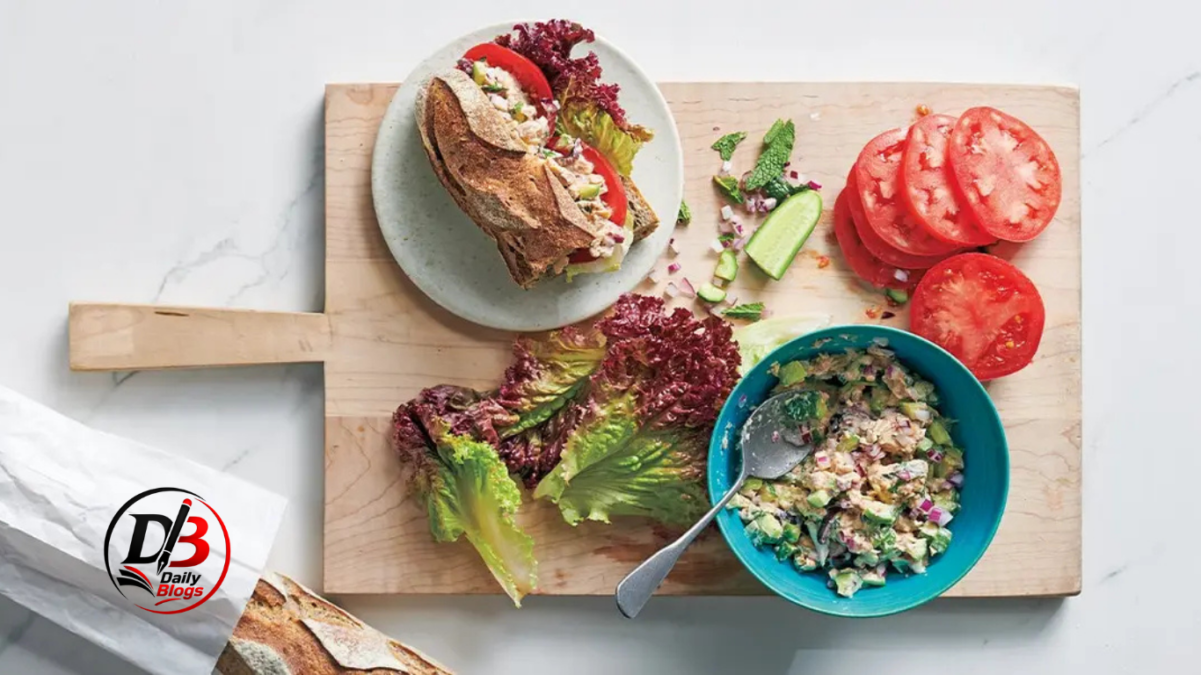
Other useful staples include brown or long-grain rice, wholewheat pasta, potatoes, onions, garlic, tinned tomatoes and basic spices such as cumin, paprika and chilli powder. A small amount of lean chicken, tinned tuna or sardines in tomato sauce can add variety without dominating the budget. When shopping, check supermarket own-brand ranges and look for reduced items near the end of the day; many of these freeze well.
Portion awareness matters. Measuring rice, pasta or oil with a spoon or cup rather than free-pouring keeps calories in check while still allowing generous servings of vegetables.
Easy Breakfast Ideas Under 300 Calories
Breakfast sets the tone for the day and need not be complicated. Porridge made with water or a splash of semi-skimmed milk, topped with a sliced banana or a handful of frozen berries, is filling, inexpensive and typically sits comfortably under 300 calories depending on portion size. Overnight oats prepared the evening before offer similar benefits with almost no morning effort.
Scrambled or poached eggs on wholemeal toast with sliced tomato or a few mushrooms provide protein that keeps energy steady. Baked beans on toast (choose reduced-sugar varieties where possible) remain a classic British option that is both cheap and reasonably low in calories when portions are sensible. A small pot of plain yoghurt with a piece of fruit works well for those who prefer something colder.
These options rely on ingredients that appear regularly on special offer and require minimal equipment or skill.
Satisfying Lunches and Dinners
Lunch and dinner benefit from the same principles: volume from vegetables, protein from pulses or eggs, and controlled amounts of carbohydrate. A simple lentil and vegetable soup made with carrots, onion, celery and a tin of tomatoes costs very little per bowl and freezes beautifully. Adding a slice of wholemeal bread keeps it substantial.
Jacket potatoes topped with baked beans, cottage cheese or a small portion of tuna and sweetcorn deliver comfort without excess calories. Vegetable curries or chilli made with chickpeas, lentils or a modest amount of minced turkey or chicken stretch further when bulked with frozen mixed vegetables and served with a measured portion of rice.
Pasta dishes work well when the sauce is vegetable-heavy. A tomato and lentil base, perhaps with added spinach or mushrooms, coats wholewheat pasta nicely and keeps the overall energy density moderate. Stir-fries using frozen vegetables, a little chicken or tofu, and soy sauce or garlic require only a hot pan and minutes of cooking time.
One-pan traybakes are particularly practical. Chicken thighs (often cheaper than breasts), potatoes and whatever vegetables are available roast together with minimal washing-up. Seasoning with paprika, herbs or a squeeze of lemon lifts the flavour without adding significant cost or calories.
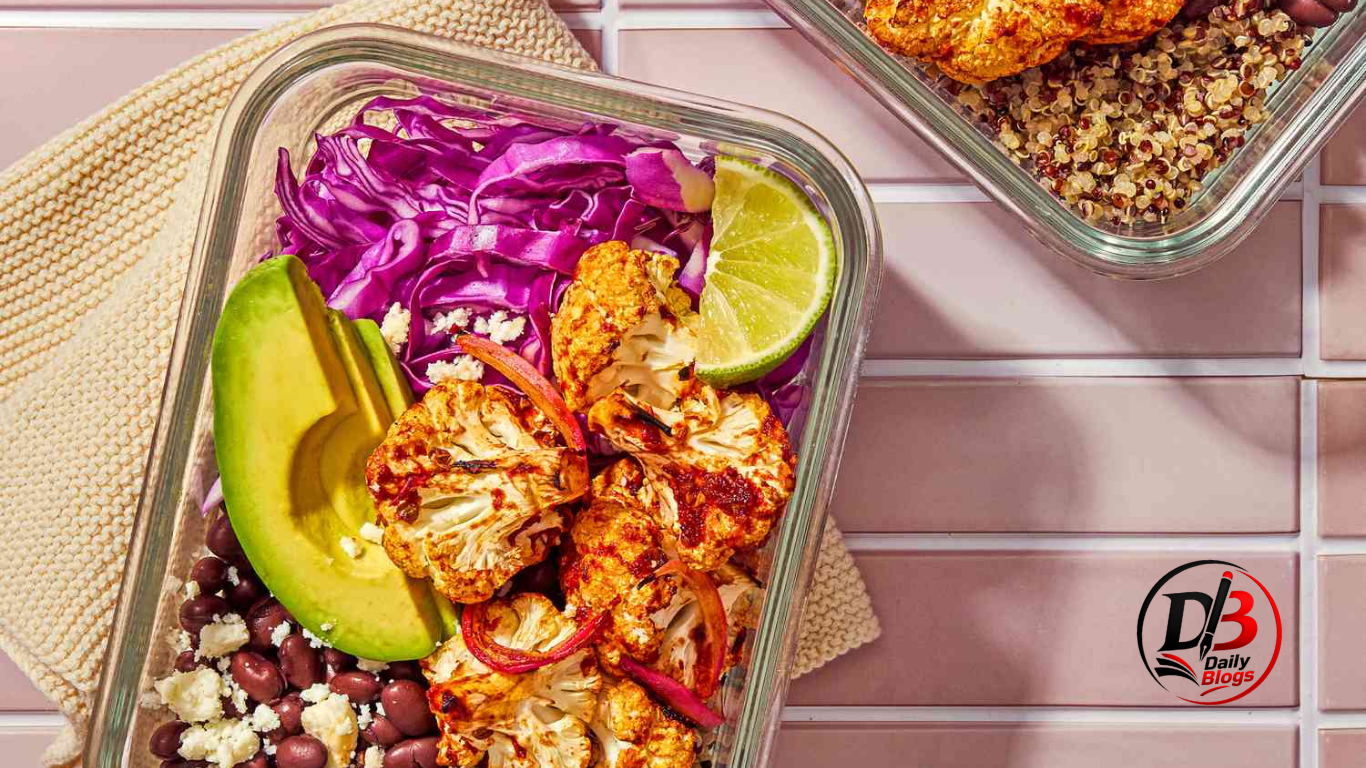
Batch cooking pays dividends. Preparing a large pot of lentil chilli or bean stew on a Sunday provides several meals that can be refrigerated or frozen. Reheating is faster and cheaper than cooking from scratch every evening.
Practical Tips for Success
Shopping with a list and checking what you already have prevents impulse buys. Own-brand tinned goods, dried pulses and frozen produce almost always undercut premium ranges while matching nutritional quality for everyday cooking. Buying larger packs of rice or oats when they are on offer reduces the unit cost further.
Cooking methods matter. Steaming, boiling, grilling or air-frying vegetables and proteins generally requires less added fat than frying. A non-stick pan and a light spray of oil go a long way. Flavour can come from herbs, spices, vinegar, lemon juice, garlic and mustard rather than creamy sauces or large amounts of cheese.
Meal planning for three or four days at a time reduces decision fatigue and last-minute takeaways. Leftovers from dinner often make excellent packed lunches the next day. Keeping a few emergency options – eggs, tinned beans, frozen vegetables – means a low-calorie meal is always within reach even on busy evenings.
Hydration and balanced plates help too. Drinking water or herbal tea between meals supports appetite regulation. Aiming for a plate that is roughly half vegetables, a quarter protein and a quarter carbohydrate creates satisfying meals that naturally stay moderate in calories.
Sample Ideas for a Balanced Day
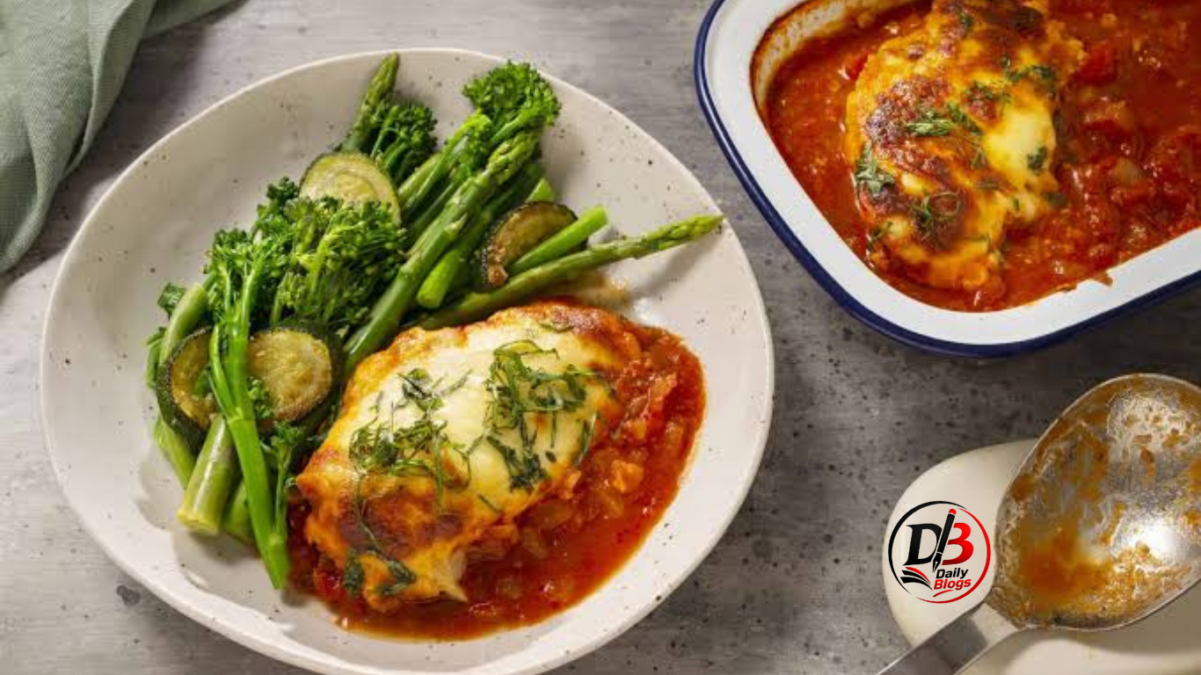
A typical day built around cheap low calorie meals might look like this: porridge with banana for breakfast; a lentil and vegetable soup with a slice of wholemeal bread for lunch; and a chickpea and spinach curry with a measured portion of rice for dinner, finished with a piece of fruit or plain yoghurt. Snacks could include carrot sticks with a little hummus or a hard-boiled egg. Exact calorie counts vary with portion sizes and specific brands, but the overall pattern remains affordable and moderate.
Many of the budget meal plans published by BBC Food and the British Heart Foundation demonstrate that a full week of dinners for one person can be achieved for well under the average weekly food spend while still including variety and nutrition.
Making It Last
The real strength of cheap low calorie meals lies in their adaptability. Preferences, dietary needs and seasonal availability can all be accommodated without abandoning the core idea. Vegetarians and vegans find particular value in the pulse-based options, while those who eat meat can use smaller quantities of animal protein to enhance flavour and protein content.
Over time these habits become less about counting every calorie and more about a practical style of cooking that happens to support health and finances at once. Flavour develops with practice – a pinch more spice here, a different vegetable combination there – until the meals feel personal rather than prescribed.
Conclusion
Cheap low calorie meals prove that eating well does not require expensive ingredients or complicated techniques. With a handful of reliable staples, a little planning and attention to portion size, it is entirely possible to enjoy satisfying food that respects both body and budget. The approach is practical, flexible and rooted in the everyday realities of British kitchens.