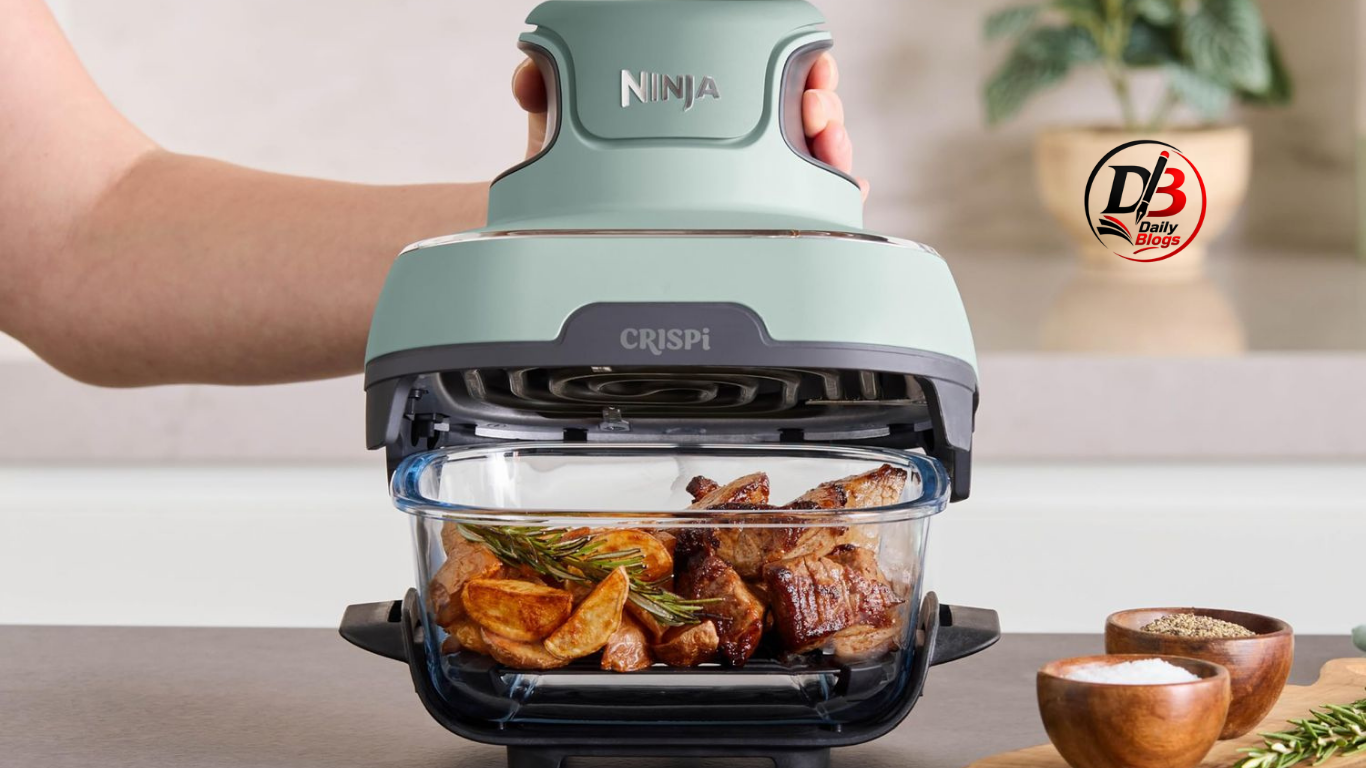
Walk into almost any British kitchen these days and there’s a good chance you’ll spot one: a Ninja air fryer, quietly humming away on the worktop, turning frozen chips into something resembling a chip-shop treat with barely a spoonful of oil. What started as a niche cooking gadget has become one of the most talked-about kitchen appliances of the past decade, and the Ninja brand sits firmly at the centre of that story.
The appeal isn’t hard to understand. Energy bills have climbed, health-conscious cooking has become mainstream, and people simply want food that tastes good without the faff of a full oven. The Ninja air fryer answers all three concerns at once, which explains why it’s rarely out of the “best kitchen buys” lists that circulate every January and every Black Friday.
But behind the viral TikTok recipes and the queues outside Currys on launch day, there’s a genuinely interesting business story—one of a small American company that grew steadily over three decades before finding its breakout hit in an unassuming plastic and steel box that crisps food using hot air.
Origins and Background
The company behind the Ninja name is SharkNinja, and its roots go back further than most people assume. It began life in the early-to-mid 1990s as Euro-Pro Operating LLC, founded by entrepreneur Mark Rosenzweig, who started the business in Montreal before relocating operations to Massachusetts. Rosenzweig came from a family with a background in the appliance trade, and his early efforts were focused on unglamorous household items such as steam cleaners and vacuum cleaners.
The turning point for the wider business came with the Shark brand, created around 2000, which found real commercial traction in 2007 with its “No-Loss-of-Suction” vacuum technology. That success gave the company the confidence and capital to branch out into an entirely different category: the kitchen.
In 2009, under the stewardship of Mark Barrocas, who would go on to become SharkNinja’s president and later chief executive, the Ninja brand was launched specifically for kitchen appliances. Blenders came first, followed by food processors and coffee makers. It was a gradual build rather than an overnight sensation, with the company steadily earning a reputation for well-engineered, reasonably priced kitchen tools long before anyone had heard the phrase “air fryer” used in everyday conversation.
Rise to Prominence: The Air Fryer Era
Ninja’s defining moment arrived in 2018 with the launch of the Ninja Foodi, a multi-function pressure cooker that introduced the brand’s “Air Crisp” technology. This was the appliance that effectively married two popular cooking trends—pressure cooking and air frying—into a single unit, and it struck a chord with home cooks almost immediately.
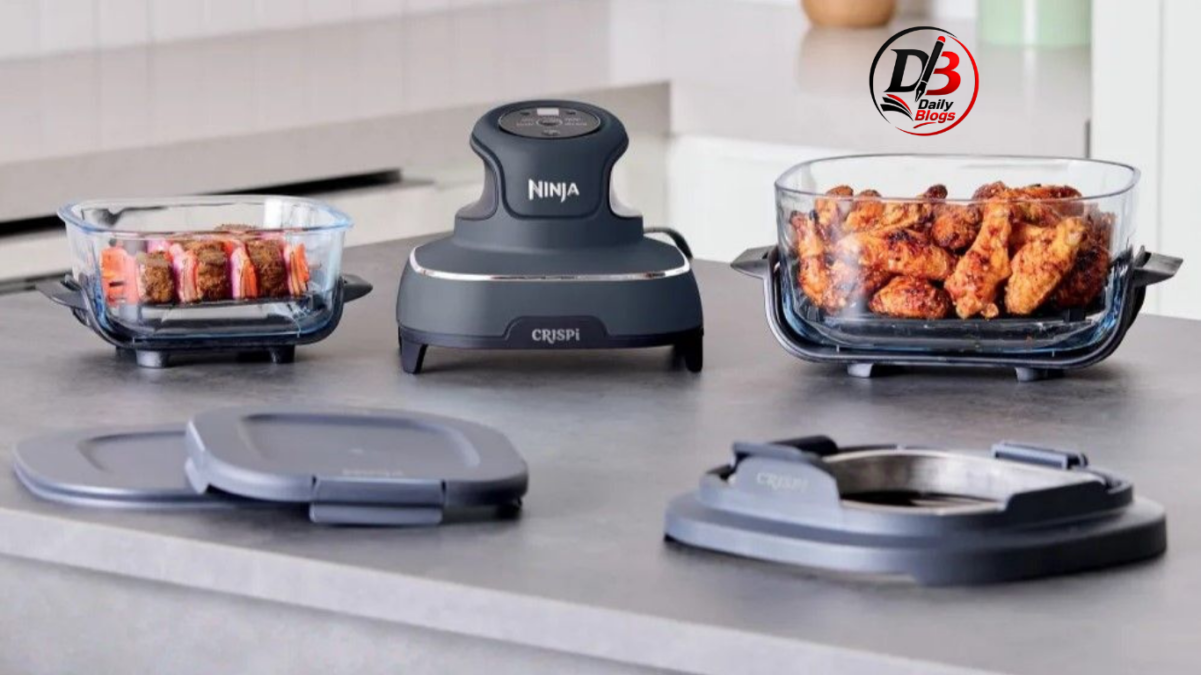
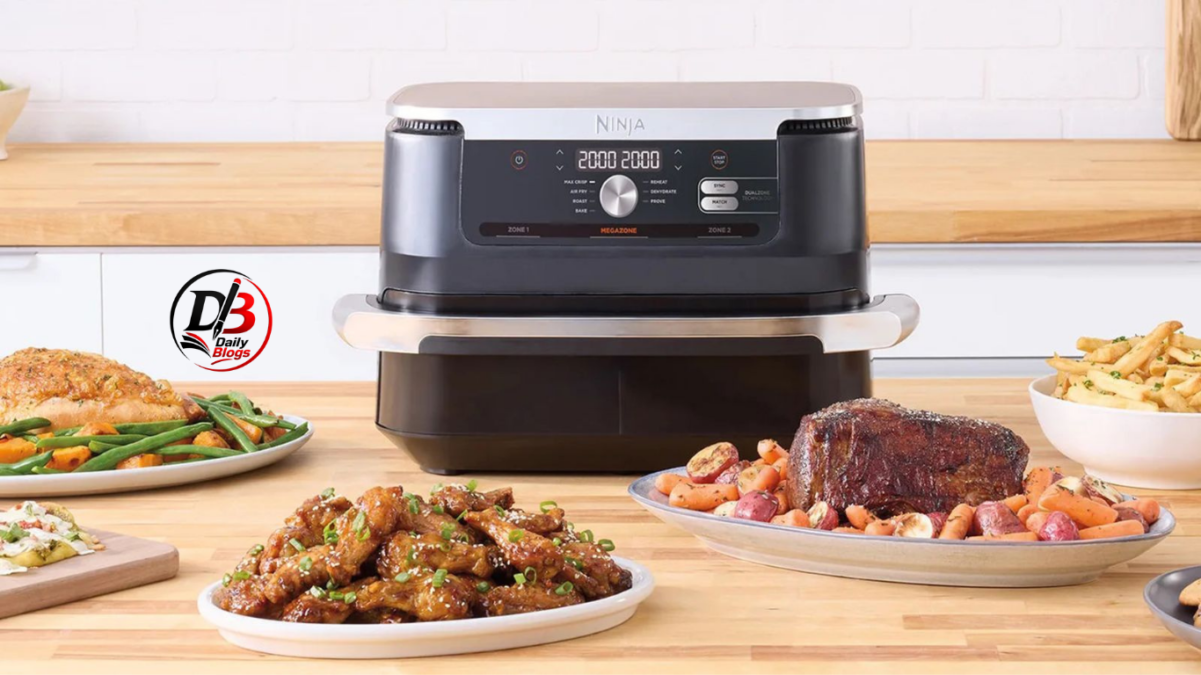
From there, the ninja air fryer range expanded rapidly. The company followed the Foodi with standalone air fryers in various sizes, and in 2020 introduced the now-iconic Dual Zone models, which feature two separate baskets that can cook different foods at different temperatures simultaneously—handy for anyone who’s ever needed chips and chicken ready at exactly the same moment. These dual-basket designs became something of a signature feature and are widely credited with setting Ninja apart from rival brands.
Recognition followed the sales figures. SharkNinja has been named among Fast Company’s most innovative companies, and the business has built up a portfolio running into the thousands of patents, a reflection of how much emphasis it places on research and development. The company now employs hundreds of engineers and designers and releases dozens of new products every year, a pace that has helped it stay ahead in an increasingly crowded market of imitators and budget alternatives.
Public reputation has, on the whole, remained strong. Consumer reviews across major UK retailers consistently rate Ninja air fryers highly for build quality and performance, and the brand has become something of a shorthand—much like “Hoover” once was for vacuum cleaners—for the air fryer category as a whole, even among customers who eventually buy a different brand.
Challenges and Turning Points
No successful consumer brand grows without a few bumps along the way, and Ninja is no exception. The most significant business turning point came in 2017, when SharkNinja was acquired by JS Global Lifestyle, a Hong Kong-listed company, which brought fresh capital and manufacturing scale but also tied the brand’s fortunes more closely to Chinese supply chains. That relationship became a talking point again in 2023, when SharkNinja separated from JS Global to become an independent, publicly listed company on the New York Stock Exchange—a move seen as an effort to give the business more autonomy while it continued to lean on established manufacturing partners.
On the product side, the sheer popularity of air fryers has brought its own pressures. As demand surged, so did competition from cheaper alternatives, and Ninja has occasionally faced scrutiny over pricing compared with less expensive rivals offering broadly similar functionality. The company has also had to navigate the practical realities of global manufacturing, including sourcing components and assembly from facilities across China and other markets, which inevitably invites questions about sustainability and labour practices that many appliance makers face.
There is no reliable public evidence of any major scandal or controversy specific to the Ninja air fryer product line itself; most of the challenges the brand has faced are the ordinary growing pains of a fast-scaling consumer goods company rather than anything more dramatic.
Behind the Brand: People and Public Life
Unlike a celebrity biography, there isn’t a single public figure whose personal story defines the Ninja air fryer. The brand is shaped by a leadership team rather than one individual. Mark Rosenzweig remains associated with the company’s founding ethos, while Mark Barrocas has been the public face of Ninja’s kitchen division and later SharkNinja as a whole, frequently speaking to trade press about product innovation and company strategy.
Where the brand does have a very public life is through its customers. Social media, particularly TikTok and Instagram, has played an enormous role in the Ninja air fryer’s popularity, with home cooks sharing recipes, hacks and unboxing videos that have arguably done as much for the brand’s visibility as any advertising campaign could.
Current Activities and Later Developments
SharkNinja shows no signs of slowing down. Recent years have brought a steady stream of new releases, including larger-capacity models aimed at bigger families, “Flexbasket” designs that adapt to different cooking needs, and combination ovens that blend air frying with traditional roasting and baking functions. The company continues to expand into new categories entirely, including espresso machines and even skincare devices, suggesting an ambition to become a broader lifestyle brand rather than simply a kitchen appliance maker.
On the corporate side, SharkNinja has talked publicly about efforts to reduce manufacturing waste and improve energy efficiency across its product range, alongside continued international expansion into new countries and retail partnerships. The business now operates in dozens of countries, with the UK remaining one of its most enthusiastic markets—Ninja air fryers routinely top best-seller charts on sites such as Amazon UK and John Lewis, particularly around the colder months when energy-saving cooking becomes a bigger consideration for households.
Quick Facts
| Detail | Information |
| Brand Name | Ninja (part of SharkNinja Operating LLC) |
| Parent Company Founded | Early-to-mid 1990s, as Euro-Pro Operating LLC |
| Ninja Brand Launched | 2009 |
| First Air Fryer Technology | Introduced with the Ninja Foodi, 2018 |
| Headquarters | Greater Boston, Massachusetts, USA |
| Key Figures | Mark Rosenzweig (founder), Mark Barrocas (President/CEO) |
| Known For | Dual Zone air fryers, Foodi multi-cookers, Air Crisp technology |
| Estimated Company Revenue | Several billion US dollars annually (SharkNinja, 2024) |
Figures are based on publicly available company statements and filings and may change over time.
Legacy and Lasting Impact
It’s easy to underestimate how much a single appliance can shift everyday habits, but the Ninja air fryer has genuinely changed how a lot of people cook. It’s nudged households away from deep-fat frying and long oven times, made healthier eating that bit more convenient, and turned “what’s in the air fryer tonight?” into a familiar kitchen-table question across the country.
Within the appliance industry, Ninja’s success has pushed rivals to sharpen their own offerings, accelerating innovation across the whole air fryer category. Whatever happens to the brand next, its influence on how modern kitchens are equipped is already well established.
Conclusion
The story of the ninja air fryer is really a story about steady, unglamorous business-building finally meeting the right cultural moment—a company that spent years refining vacuum cleaners and blenders before landing on a product that fit perfectly with how people wanted to cook and eat. It’s not a dramatic tale of overnight fame, but it is a genuinely interesting example of patient innovation paying off.