Few cocktails have enjoyed the enduring popularity of the mojito, and in recent years, one variation has captured particular attention: the blackberry mojito. This vibrant, fruit-forward take on the traditional Cuban highball combines the familiar refreshment of mint, lime and rum with the deep, slightly tart sweetness of muddled blackberries.
Bartenders and home mixologists alike have embraced the blackberry mojito for good reason. It retains everything that makes the original mojito so beloved — its crispness, its balance, its effortless drinkability — while introducing a fruity complexity that feels both familiar and new. Whether served at a summer garden party or ordered at a cocktail bar on a warm evening, the blackberry mojito has firmly established itself as a modern classic in its own right.
This article explores where the blackberry mojito comes from, what makes it distinctive, how it’s typically prepared, and why it continues to feature so prominently on drinks menus around the world.
Origins and Background
The Mojito’s Cuban Roots
To understand the blackberry mojito, it helps to start with its predecessor. The mojito is widely believed to have originated in Havana, Cuba, with roots tracing back centuries to a rustic sugarcane-based drink favoured by labourers and sailors. Over time, it evolved into the polished combination of white rum, fresh lime juice, sugar, soda water and mint that we recognise today.
By the twentieth century, the mojito had become a fixture of Cuban bar culture, closely associated with Havana’s lively nightlife. Its reputation grew internationally throughout the latter half of the century, aided by its association with writers, travellers and the broader wave of interest in Cuban cocktails.
The Rise of Fruit-Infused Variations
As cocktail culture expanded globally, bartenders began experimenting with the mojito’s basic formula, introducing fruits such as strawberry, mango, raspberry and blackberry to create fresh variations. The blackberry mojito emerged as part of this broader trend towards fruit-infused cocktails, gaining particular traction from the early 2000s onwards as mixology became more adventurous and menus sought to differentiate themselves with seasonal, visually striking drinks.
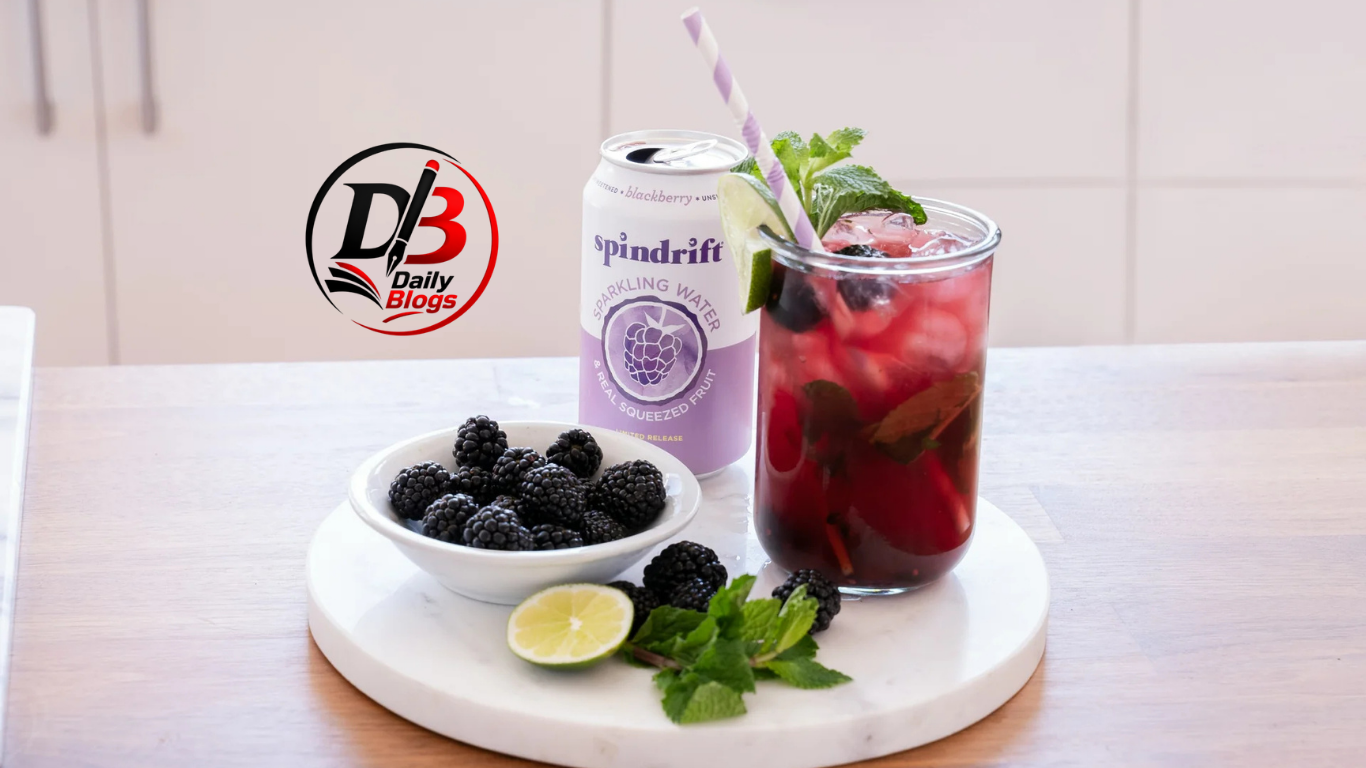
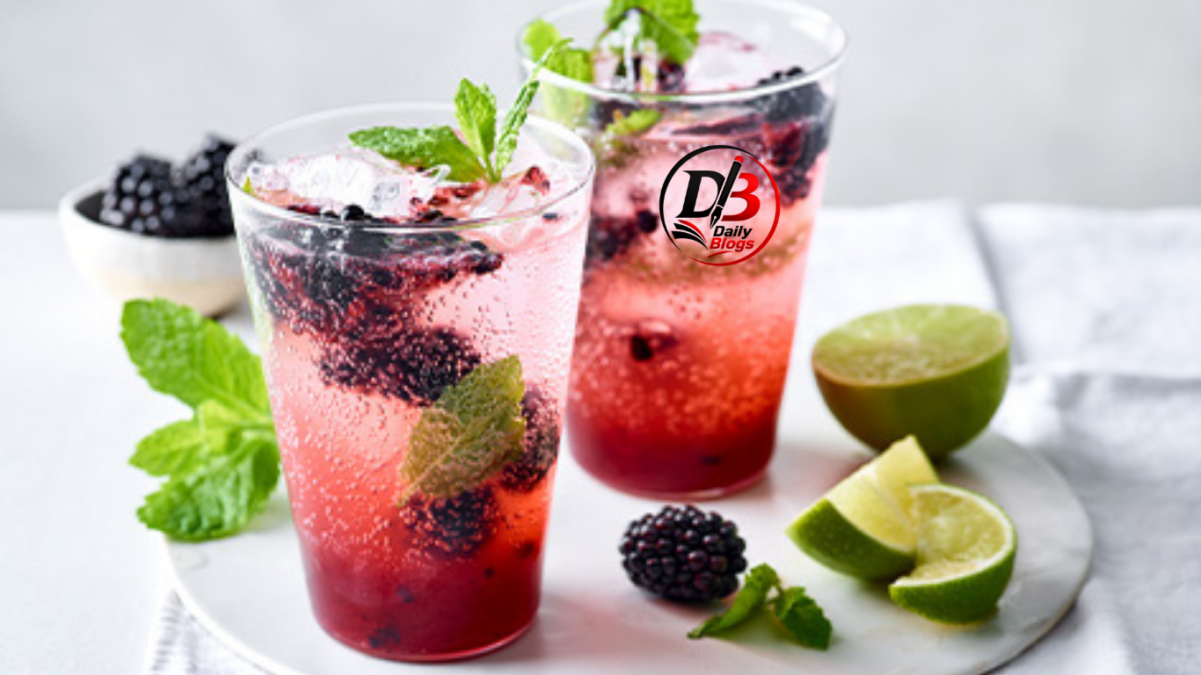
Blackberries proved a natural fit. Their rich colour, gentle tartness and subtle sweetness complement the mojito’s citrus and mint base without overwhelming it, and their deep purple hue gives the drink an especially attractive appearance — a quality that has helped it thrive in the age of social media and visually driven menus.
What Makes a Blackberry Mojito
Core Ingredients
A classic blackberry mojito typically includes:
- Fresh blackberries, muddled to release their juice
- Fresh mint leaves
- White rum
- Fresh lime juice
- Sugar or simple syrup
- Soda water
- Ice
Some variations substitute sugar with agave syrup or use flavoured rum to intensify the fruit notes, while non-alcoholic versions replace rum with soda water or a light fruit cordial, making the drink accessible to a wider range of drinkers.
The Balance of Flavours
What distinguishes a well-made blackberry mojito from a mediocre one is balance. The blackberries should add depth and gentle sweetness without dominating the mint and lime, which remain essential to the drink’s refreshing character. Overmuddling the fruit can release excessive pulp and seeds, affecting both texture and presentation, so many bartenders take care to strain the mixture before serving, particularly in more polished bar settings.
Popularity and Cultural Presence
A Menu Favourite
The blackberry mojito has become a staple on cocktail menus across pubs, restaurants and bars, particularly during spring and summer months when fruit-forward, lower-proof drinks tend to see increased demand. Its approachable flavour profile — sweet, tart, herbaceous and lightly fizzy — makes it appealing to those who might find more spirit-forward cocktails too intense.
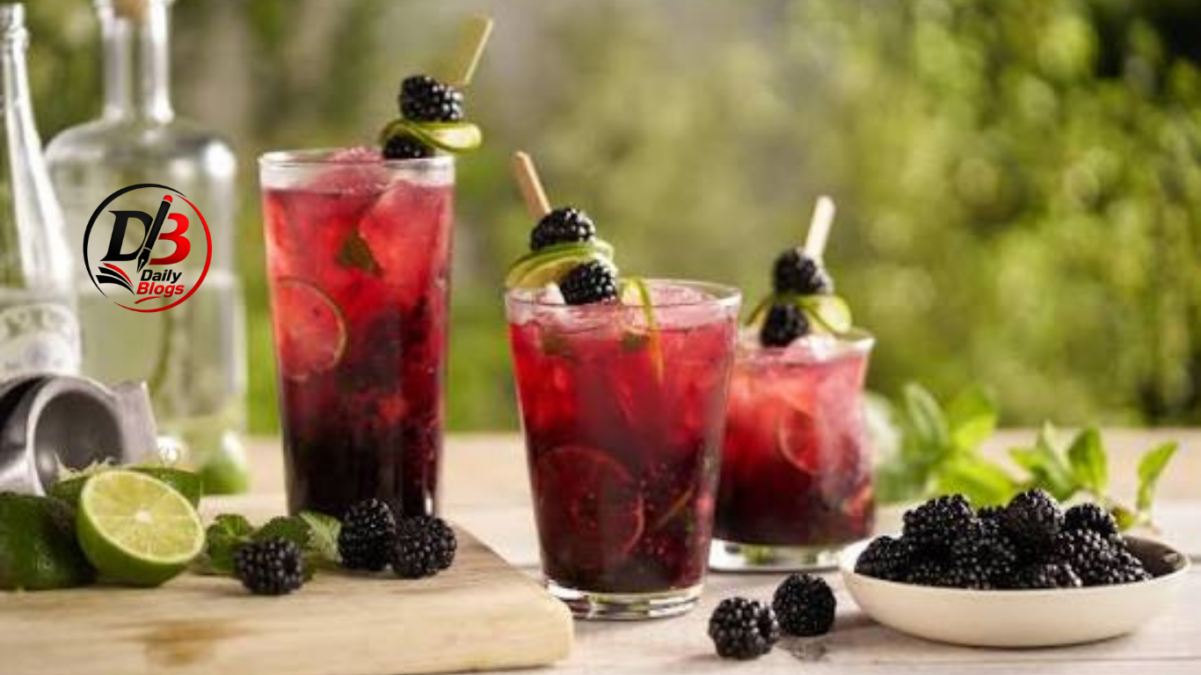
Its visual appeal has also contributed to its popularity. The contrast between the vivid purple-red hue of the muddled blackberries, the bright green of fresh mint, and the clarity of soda water creates a drink that photographs well, a factor that has undoubtedly helped its spread across social media platforms and food and drink publications.
Home Mixology and Seasonal Appeal
Beyond bars and restaurants, the blackberry mojito has become a popular choice for home entertaining, particularly as blackberries come into season during the summer months in the UK. Its relatively simple preparation, requiring no specialist equipment beyond a muddler and a good sharp knife, makes it accessible to those without professional bartending experience.
Variations Worth Trying
Several notable variations have emerged as the drink has grown in popularity:
- Blackberry and basil mojito — replacing or supplementing mint with basil for a more herbal, peppery note
- Spiced blackberry mojito — incorporating a hint of ginger or chilli for warmth
- Sparkling blackberry mojito — using prosecco or sparkling wine in place of soda water for a more celebratory presentation
- Virgin blackberry mojito — a non-alcoholic version popular at family gatherings and daytime events
These variations demonstrate the drink’s flexibility, and its capacity to be adapted to different tastes, occasions and dietary preferences without losing its essential character.
Quick Reference: Blackberry Mojito at a Glance
| Detail | Information |
| Base Cocktail | Mojito (Cuban origin) |
| Key Fruit | Blackberries |
| Primary Spirit | White rum |
| Typical Strength | Light to medium (varies by recipe) |
| Best Served | Chilled, over crushed ice |
| Popular Season | Spring and summer |
| Common Variations | Basil, spiced, sparkling, virgin |
Why the Blackberry Mojito Endures
The lasting appeal of the blackberry mojito lies in its balance of familiarity and novelty. It offers drinkers the comforting, well-loved structure of a classic mojito while introducing enough fruity character to feel distinctive. This combination — approachable yet interesting — is often what separates cocktails with staying power from passing trends.
Its adaptability has also helped secure its place on menus long-term. Because it can be made alcoholic or non-alcoholic, strong or light, classic or experimental, the blackberry mojito suits an unusually broad range of settings, from casual home gatherings to formal cocktail bars.
Conclusion
The blackberry mojito represents a thoughtful evolution of one of the world’s most recognisable cocktails. By staying true to the refreshing, citrus-and-mint foundation of the traditional mojito while introducing the rich sweetness of blackberries, it has carved out a lasting place in modern drinks culture.