
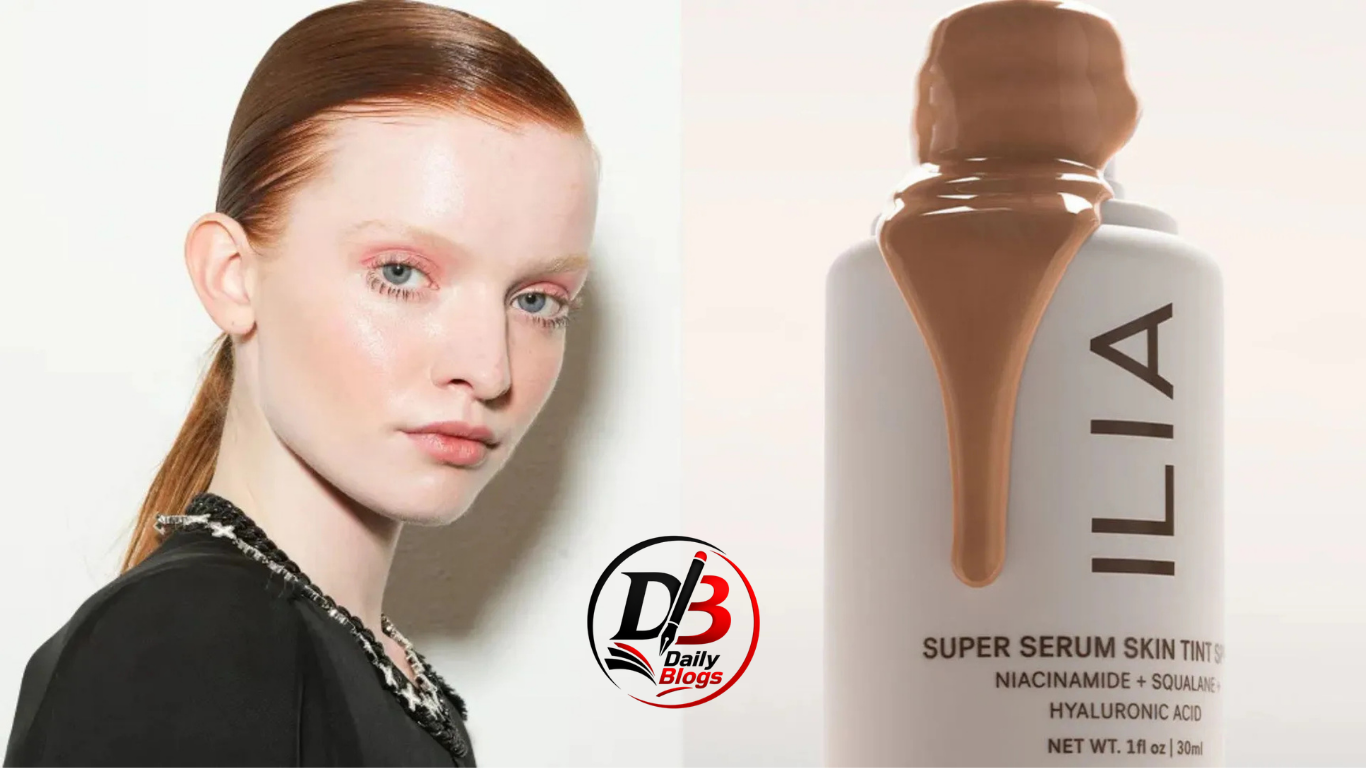
There’s a reason the humble tinted moisturiser has quietly become one of the most reached-for products in modern skincare and make-up routines. It promises the impossible trio: hydration, a natural glow, and sun protection, all in a single step. For anyone who has ever stood in front of a bathroom mirror juggling a moisturiser, a sunscreen and a foundation, wondering if there’s a simpler way, the best tinted moisturizer with SPF is often the answer.
This isn’t a fleeting trend. As dermatologists have spent the past decade pushing daily sun protection into the mainstream conversation, beauty brands have responded by blending skincare and complexion products more closely than ever. The result is a category that has matured significantly, moving from thin, uneven formulas into sophisticated products that genuinely protect and flatter the skin.
Whether you’re new to the idea of tinted moisturisers or looking to switch to a better-performing formula, understanding what actually makes a good one, and why SPF matters so much in this context, will help you make a far more informed choice.
What Exactly Is a Tinted Moisturiser with SPF?
At its core, a tinted moisturiser is a lightweight, hydrating base product with a small amount of pigment added, just enough to even out tone without fully concealing the skin. When SPF is included, the formula also contains sun-filtering ingredients, either chemical, mineral, or a combination of both, designed to protect against UVA and UVB rays.
The appeal lies in simplicity. Rather than layering a separate sunscreen underneath make-up, which many people skip on busier mornings, a tinted moisturiser with SPF folds protection directly into the step you’re already doing. It’s a practical solution for daily wear, particularly for those who prefer a “your skin but better” finish over full-coverage foundation.
Why Sun Protection in Your Base Product Matters
Sun damage is cumulative, and much of it happens on ordinary days, not just sunny beach holidays. UVA rays, in particular, penetrate clouds and glass, contributing to premature ageing, uneven pigmentation and, over time, a heightened risk of skin cancer. Dermatologists consistently recommend daily SPF of at least 30, applied generously, as one of the single most effective anti-ageing habits available.
The convenience of a tinted moisturiser with SPF means people are more likely to actually wear protection every day, rather than reserving sunscreen for special occasions. That said, it’s worth noting a common myth: most people don’t apply enough tinted moisturiser to achieve the full labelled SPF protection, since the recommended amount for full efficacy is more than most would comfortably use on the face alone. For reliable protection, many dermatologists suggest layering a dedicated facial sunscreen underneath, then using the tinted moisturiser as a complexion-enhancing top layer rather than the sole source of defence, especially for extended outdoor exposure.
How to Choose the Right Formula for Your Skin
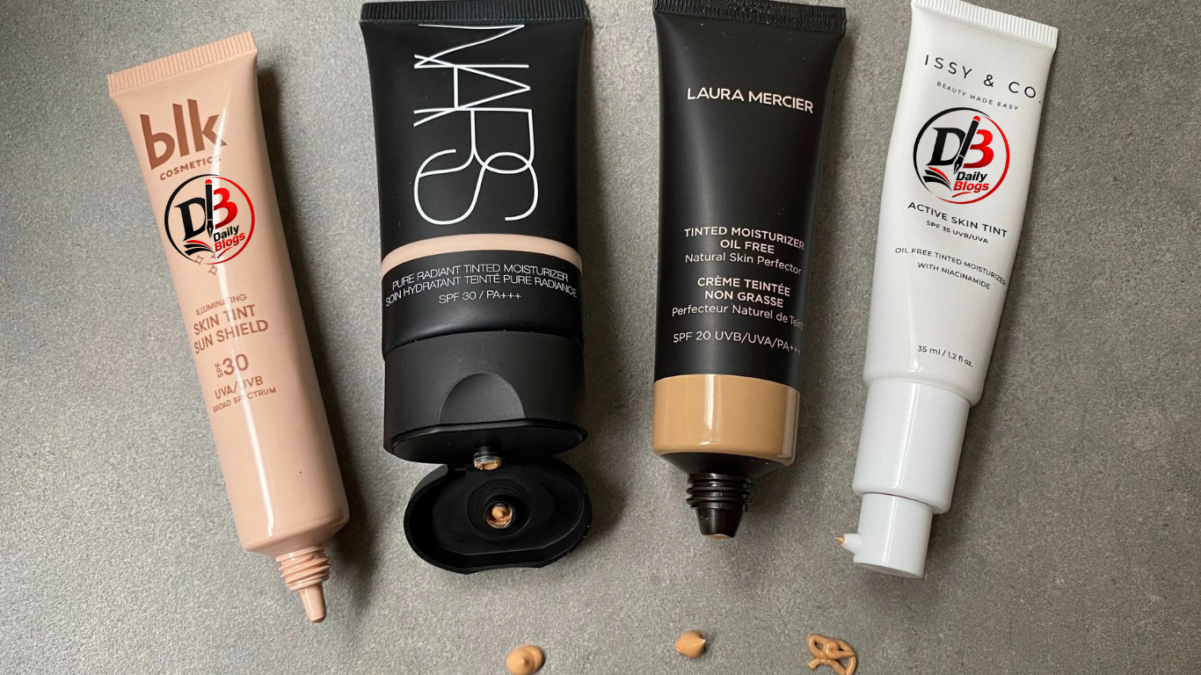
Not all tinted moisturisers are created equal, and the “best” one depends heavily on individual skin type, tone range, and lifestyle.
For Dry Skin
Look for formulas built around hydrating ingredients such as hyaluronic acid, glycerin, or squalane. A dewy, luminous finish tends to suit drier skin types better than a matte one, which can emphasise flaky or tight areas.
For Oily or Combination Skin
A lightweight, oil-free formula with a semi-matte or natural finish works best. Ingredients like niacinamide can help balance oil production while still delivering the tint-and-protect benefits.
For Sensitive Skin
Mineral-based SPF formulas, using zinc oxide or titanium dioxide, are generally gentler and less likely to trigger irritation compared with chemical filters. Fragrance-free options are also worth prioritising if your skin reacts easily.
For Deeper or Fairer Skin Tones
Historically, this was where the category fell short, with many brands offering only a handful of shades skewed towards lighter tones. Thankfully, the past few years have seen considerable improvement, with several brands now offering twenty or more shades, along with undertone-specific ranges (warm, neutral, cool) to allow for a genuinely accurate match.
What to Look for on the Label
When comparing products, a few details are worth checking beyond the marketing copy:
- Broad-spectrum protection, meaning the formula guards against both UVA and UVB rays, not just one.
- SPF level, with SPF 30 considered the practical minimum for daily protection, though SPF 40–50 offers extra reassurance for prolonged outdoor time.
- Ingredient list, particularly if you have known sensitivities to certain chemical filters or fragrance.
- Water resistance, relevant if you’re likely to sweat or be caught in rain, though most tinted moisturisers are not designed for swimming or intense exercise.
- Coverage level, since some formulas offer a sheer wash of colour while others edge closer to light foundation.
Popular Categories Worth Exploring
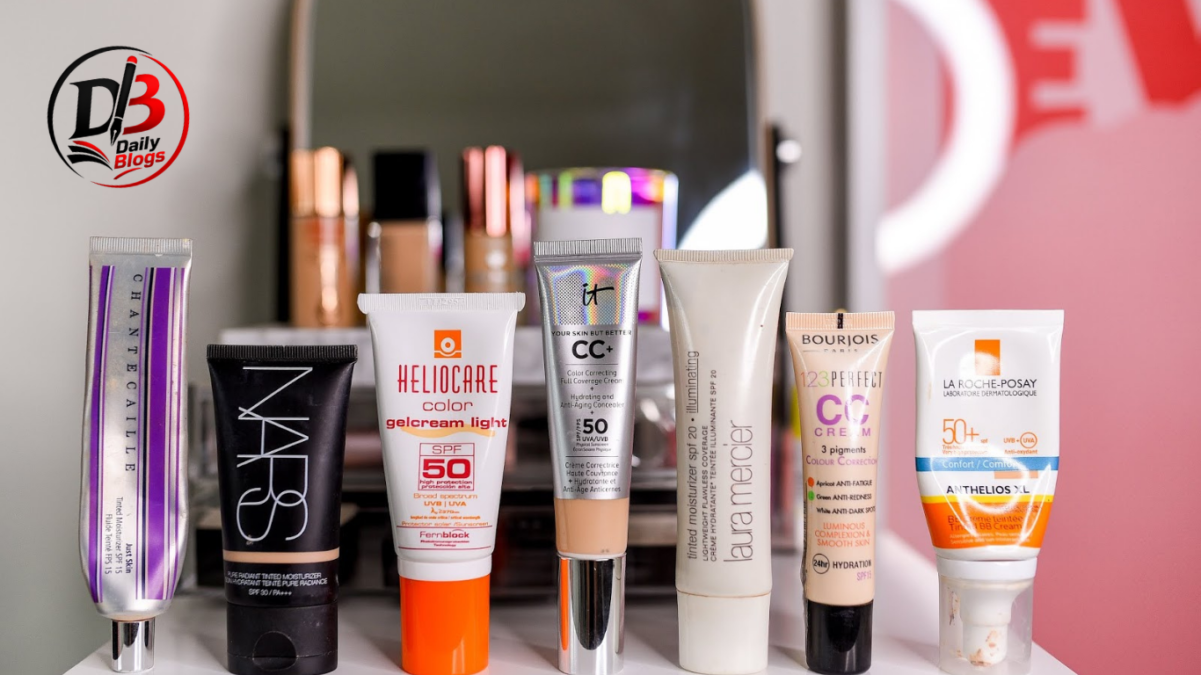
Rather than naming a single “winner,” it’s more useful to think in terms of categories, since the right product varies so much by individual need.
Skincare-first formulas prioritise ingredients over coverage, often marketed alongside a brand’s core skincare line. These tend to suit people who want their base product to feel more like a treatment than a make-up step.
Make-up-first formulas lean closer to a lightweight foundation, offering more buildable coverage while still retaining a natural finish. These suit those who want a bit more evenness without switching to full foundation.
Mineral SPF formulas are aimed at sensitive skin types or anyone avoiding chemical sunscreen filters, and they’ve become notably better at blending seamlessly rather than leaving the once-common white cast.
Budget-friendly options from high-street pharmacy brands have also improved significantly, proving that effective sun protection and a flattering tint don’t have to come with a luxury price tag.
Application Tips for Best Results
Getting the most out of a tinted moisturiser with SPF isn’t just about the product itself, but how it’s applied.
Start with clean, moisturised skin, allowing any separate skincare products to absorb fully before application. Use a damp make-up sponge or clean fingertips to blend the product evenly, working outward from the centre of the face. Apply a generous layer, particularly if you’re relying on it as your primary sun protection, and don’t forget commonly missed areas like the ears, hairline and neck.
Reapplication is the step most people skip entirely, yet SPF protection diminishes over the course of the day. For those spending extended time outdoors, a setting spray with SPF or a translucent powder SPF can help top up protection without disturbing make-up.
Common Mistakes to Avoid
One of the most frequent errors is treating tinted moisturiser as a full sunscreen replacement without applying enough product to reach the tested protection level. Another is skipping patch testing when trying a new formula, particularly for those with reactive or sensitive skin. Finally, many people choose shades based on the bottle colour rather than swatching on the jawline in natural light, which can lead to a mismatched, obviously “made-up” look.
Comparison at a Glance
| Skin Concern | Formula Type to Look For | Key Ingredient to Prioritise |
| Dry skin | Dewy, hydrating finish | Hyaluronic acid, glycerin |
| Oily/combination skin | Lightweight, semi-matte | Niacinamide |
| Sensitive skin | Mineral-based SPF | Zinc oxide, titanium dioxide |
| Fine lines/ageing concerns | Broad-spectrum, SPF 40–50 | Antioxidants, peptides |
| Budget-conscious buyers | High-street pharmacy brands | Broad-spectrum SPF 30+ |
Conclusion
Choosing the best tinted moisturizer with SPF ultimately comes down to understanding your own skin, being realistic about how much product you apply, and treating it as one part of a broader sun protection habit rather than a standalone solution. The category has evolved considerably, offering far more inclusive shade ranges, better textures and genuinely effective formulas than it did even a few years ago.