If you’ve ever typed “best ensaimada near me” into a search bar, you already know the feeling. Perhaps you’ve just come back from Mallorca, perhaps a friend brought one round for breakfast, or perhaps you spotted a photo online and haven’t stopped thinking about that spiral of soft, buttery dough dusted in icing sugar. Whatever brought you here, you’re looking for the same thing: a bakery that gets it right.
Ensaimada isn’t a complicated pastry, but that simplicity is exactly why quality varies so much from one bakery to the next. A good one is light, faintly sweet, and slightly chewy at the centre. A poor one is dense, over-sugared, or made with the wrong fat entirely. Knowing what separates the two makes the search for “best ensaimada near me” far more useful — and far more rewarding.
This guide walks through the origins of the ensaimada, what to look for when judging quality, and practical ways to track down a genuinely good one wherever you happen to be.
What Exactly Is an Ensaimada?
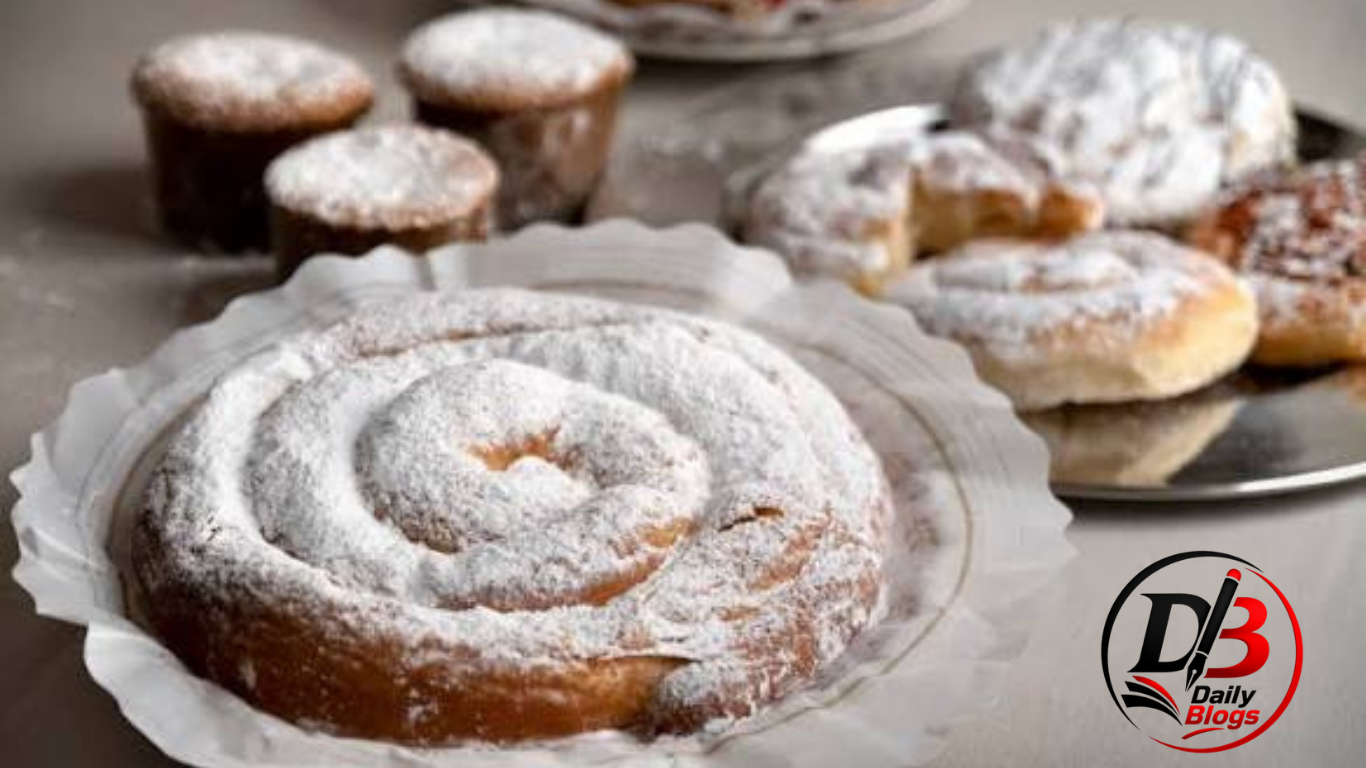
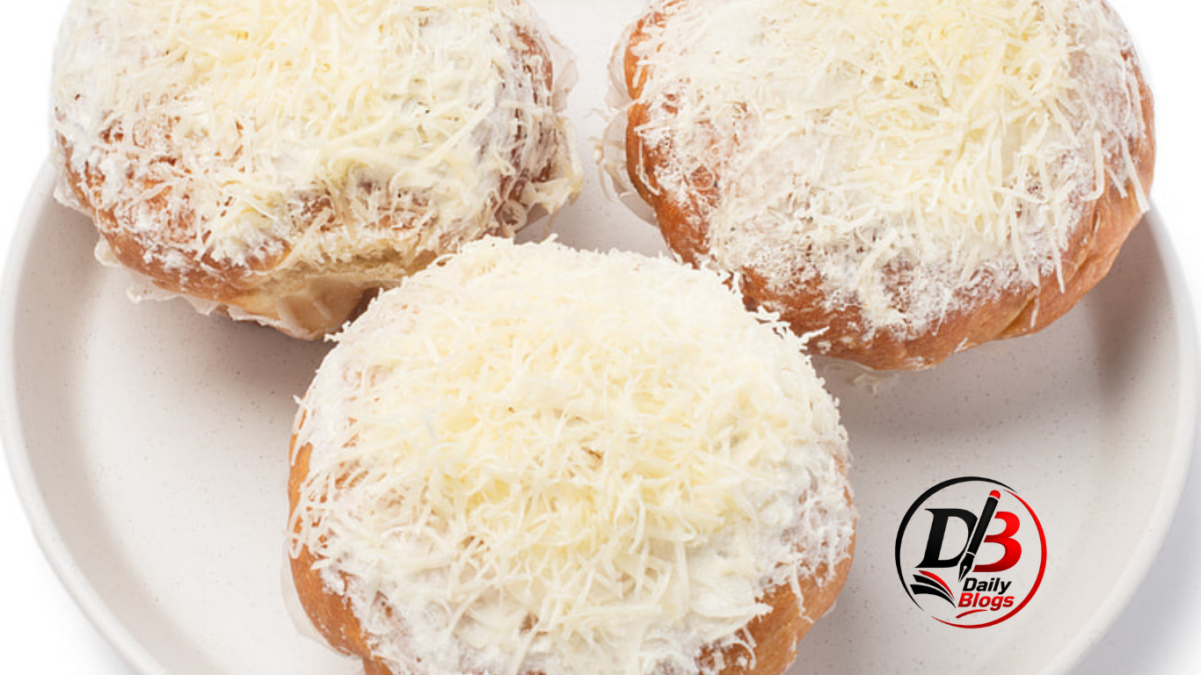
Ensaimada is a traditional pastry from Mallorca, in Spain’s Balearic Islands, shaped into a distinctive coiled spiral and finished with a generous dusting of icing sugar. The name comes from saïm, the Mallorcan word for lard, which is traditionally worked into the dough to give the pastry its characteristic softness and slight richness.
At its simplest, the ensaimada llisa (plain ensaimada) contains just dough, lard and sugar. Fillings became popular later, with cabello de ángel (a sweet, spun pumpkin preserve), cream, chocolate, or Mallorcan sobrassada and cheese all common today. Sizes range from small individual pastries to large, shareable versions baked for family gatherings and celebrations.
Because the recipe has been passed down through generations of Mallorcan bakeries, regional variation is part of its charm. That’s also why the search for “best ensaimada near me” rarely has one single correct answer — it depends on what kind of ensaimada you’re after, and how faithfully a bakery sticks to tradition.
What Makes an Ensaimada Genuinely Good
Before hunting down a bakery, it helps to know what you’re actually judging.
Texture Over Everything
A well-made ensaimada should pull apart in soft, ribbon-like layers rather than tearing into a solid, bread-like mass. The dough is stretched thin before being coiled, and that stretching is what creates the airy, spiralled interior. If a pastry feels heavy or dense, it’s usually been under-proved or made with too little fat.
The Right Fat
Traditional recipes use saïm (pork lard), not butter or vegetable shortening. Lard gives ensaimada its characteristic softness without adding a strong flavour of its own. Bakeries that substitute other fats to cut costs often produce a pastry that’s greasier or blander than it should be.
Balance of Sweetness
Ensaimada is not meant to be intensely sweet. The dough itself carries only a light sugar content, with the icing sugar dusted on top providing most of the sweetness you taste. A genuinely good version lets the buttery, yeasted flavour of the dough come through rather than burying it under sugar.
Freshness
Because ensaimada contains no preservatives in traditional preparations, it’s best eaten within a day or two of baking. Bakeries that sell pastries sitting out for days, rather than baking in small batches, are usually a sign to look elsewhere.
How to Track Down the Best Ensaimada Near You
Search engines are a good starting point, but a few extra steps will get better results than the phrase “best ensaimada near me” alone.
- Look for Mallorcan or Spanish bakeries specifically. Ensaimada is a specialist item, and general patisseries may only offer a mass-produced version, if any at all.
- Read recent reviews, not just star ratings. A 4.5-star average tells you little; comments mentioning “fresh,” “light” or “not too sweet” tell you a lot more.
- Check for daily baking. Bakeries that advertise fresh batches each morning are far more likely to serve an ensaimada with the right texture.
- Ask about the filling range. A bakery offering several traditional fillings, rather than just one generic option, often signals a stronger commitment to doing it properly.
- Consider specialist Spanish delis and online bakeries. If there’s no dedicated Mallorcan bakery nearby, Spanish delicatessens or bakeries that ship nationally can be a reliable alternative, particularly around Christmas when ensaimada is traditionally popular.
If you’re travelling to Mallorca itself, Palma’s old town has several long-established bakeries that have made ensaimada for decades, and they remain a useful benchmark against which to measure any bakery back home.
Ensaimada at a Glance
| Detail | Information |
| Origin | Mallorca, Balearic Islands, Spain |
| Main Ingredients | Flour, water, sugar, eggs, lard (saïm) |
| Traditional Shape | Coiled spiral |
| Classic Variety | Ensaimada llisa (plain) |
| Popular Fillings | Cabello de ángel, cream, chocolate, sobrassada and cheese |
| Best Eaten | Fresh, within 1–2 days of baking |
| Traditional Serving | Breakfast, with coffee or hot chocolate |
| Protected Status | Ensaïmada de Mallorca holds an EU Protected Geographical Indication (PGI) |
Common Mistakes When Choosing an Ensaimada
A few habits lead people astray when hunting for the best option nearby.
Judging by appearance alone.
A perfectly spiralled, generously dusted ensaimada can still be dense or stale inside. Appearance matters less than texture.
Assuming bigger is better.
Large ensaimadas are often made for sharing rather than individual freshness, and can dry out faster once cut.
Overlooking smaller, independent bakeries.
Chain supermarkets sometimes stock a version of ensaimada, but independent Spanish bakeries are far more likely to follow traditional methods.
Ignoring the ingredients list.
Where possible, checking whether a bakery uses lard rather than palm oil or margarine can save disappointment.
Conclusion
Food searches like “best ensaimada near me” reflect something bigger than convenience. They’re usually driven by a specific memory — a holiday, a family tradition, a single perfect pastry — and the hope of recreating that experience close to home. Ensaimada has survived for centuries precisely because it rewards that kind of attention: it’s a simple recipe, but one where craftsmanship is immediately obvious in the first bite.