Few snacks divide opinion quite like the humble rice cake. To some, it’s the ultimate guilt-free bite — light, crunchy and low in calories. To others, it’s a byword for bland dieting, the snack you eat when you’d really rather be eating something else. But behind the jokes and diet-culture reputation lies a genuinely interesting question: are rice cakes healthy, or is their reputation more myth than fact?
The answer, as with most nutrition questions, isn’t a simple yes or no. Rice cakes sit in an unusual middle ground — not a superfood, but not the empty calories some critics claim either. Their value depends heavily on what they’re made from, what you put on them, and how they fit into your wider diet.
This article takes a closer look at what rice cakes actually contain, the genuine benefits they offer, the drawbacks worth knowing about, and how to make smarter choices if they’re a regular part of your shopping list.
What Exactly Are Rice Cakes?
The traditional version uses wholegrain brown rice, though supermarket shelves now carry versions made from white rice, multigrain blends, corn, quinoa and even buckwheat.
Because the puffing process uses heat and pressure rather than oil, plain rice cakes are naturally low in fat. This is part of why they became a diet-food staple from the 1980s onwards, marketed heavily as a “safe” alternative to crisps, biscuits and other more calorie-dense snacks.
However, not all rice cakes are created equal. Flavoured varieties — caramel, chocolate-coated or cheese-flavoured, for example — can carry considerably more sugar, salt or saturated fat than the plain originals, which somewhat undermines their health-conscious image.
Nutritional Profile: The Basic Facts
A single plain wholegrain rice cake typically contains around 30–35 calories, less than half a gram of fat, and roughly 7 grams of carbohydrate.
Where rice cakes fall short is fibre and protein. Because puffing rice strips away much of its natural structure, even wholegrain versions offer relatively modest fibre content compared with other wholegrain snacks like oatcakes. Protein levels are similarly low, meaning rice cakes alone won’t do much to keep you feeling full for long.
This is one of the central truths about rice cakes: nutritionally, they’re relatively neutral. They won’t harm you, but eaten in isolation, they won’t do much heavy lifting for your health either.
The Genuine Benefits of Rice Cakes
Low in Calories and Fat
For anyone monitoring calorie intake, rice cakes offer volume and crunch without a heavy calorie cost. This can make them a useful tool for managing portion sizes, particularly for people who enjoy the sensory satisfaction of a crunchy snack.
A Sensible Base for Toppings
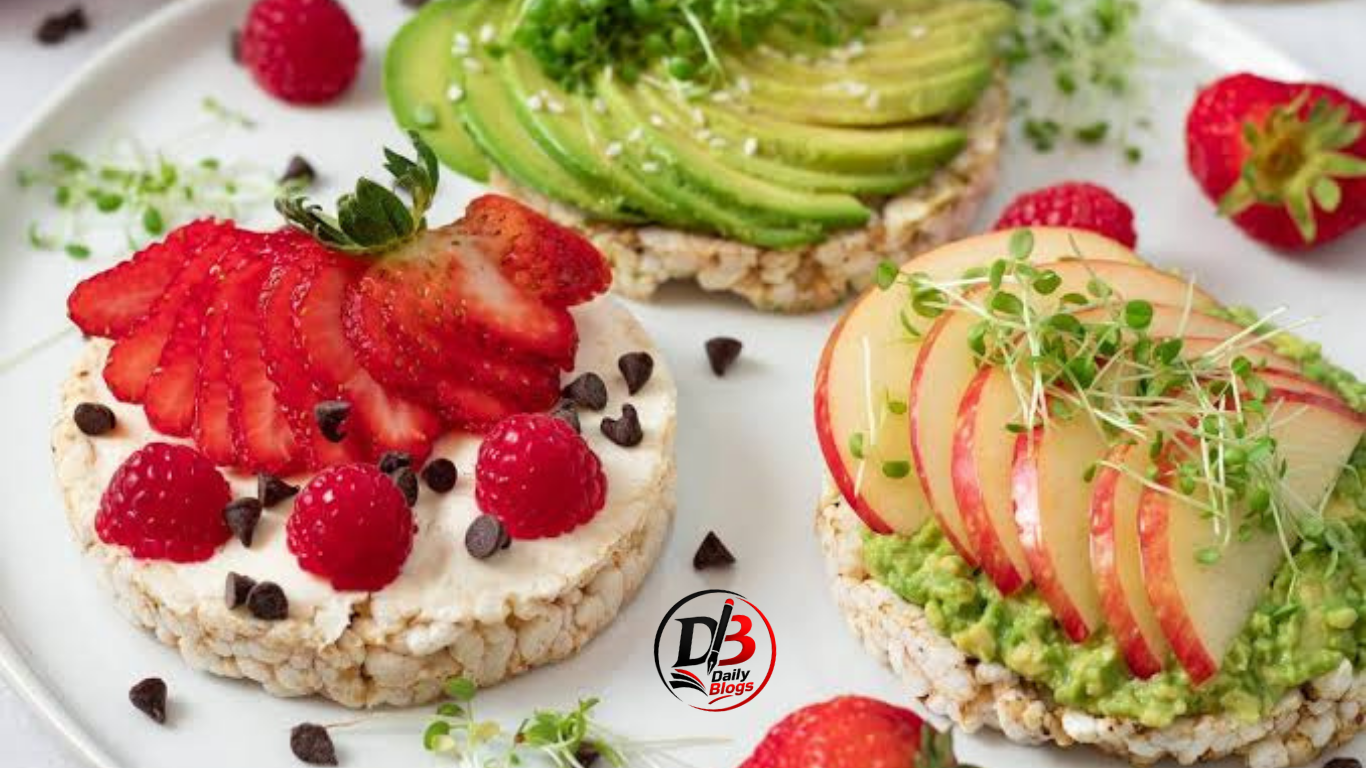
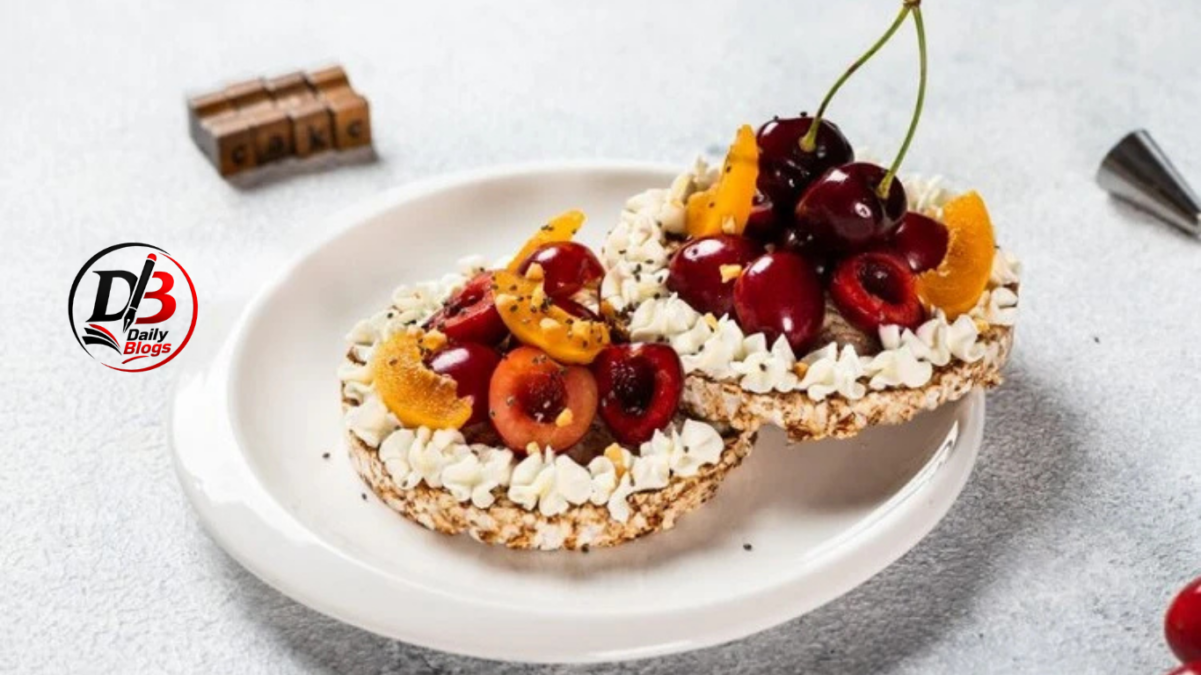
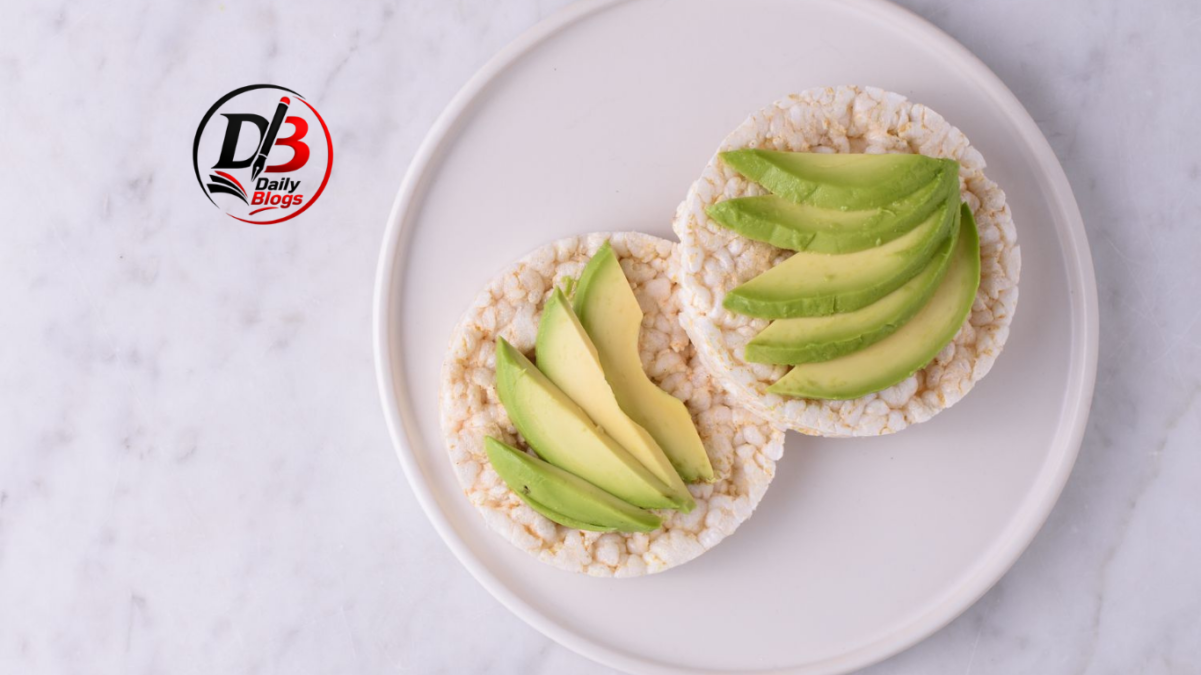
Rather than being the star of the show, rice cakes work best as a blank canvas. Topped with nut butter, mashed avocado, hummus, cottage cheese or smoked salmon, they can become a genuinely balanced mini-meal, gaining the protein, fibre and healthy fats they lack on their own.
Wholegrain Options Offer More
Brown rice cakes retain the bran and germ layers of the rice grain, which means they carry more fibre, B vitamins and minerals such as magnesium and manganese than their white rice counterparts. Choosing wholegrain versions is a simple way to boost their nutritional value.
The Drawbacks Worth Knowing
They Don’t Keep You Full
Because rice cakes are low in fibre and protein, they tend to be digested quickly, which means blood sugar can rise and fall rapidly after eating them — particularly if eaten plain, on an empty stomach. This can leave some people feeling hungry again shortly afterwards, undermining their usefulness as a weight-management snack.
High Glycaemic Index
Rice cakes generally have a high glycaemic index (GI), meaning they can cause a relatively fast spike in blood glucose levels. For people managing diabetes or insulin sensitivity, this is an important consideration, and pairing rice cakes with protein or healthy fats can help slow that spike.
Flavoured Varieties Can Be Deceptive
Chocolate-coated, caramel or savoury-flavoured rice cakes often contain added sugars, salt and saturated fat, sometimes bringing their nutritional profile closer to that of a biscuit than a diet snack. Checking the label rather than assuming “rice cake” automatically means “healthy” is a wise habit.
A Possible Contamination Concern
Rice naturally absorbs arsenic from soil and water more readily than many other crops. Because rice cakes are a concentrated rice product, some food safety bodies, including the UK’s Food Standards Agency, have advised that young children should not be given rice cakes or rice drinks as a primary snack, due to arsenic exposure concerns. For most adults, however, occasional consumption within a varied diet is not considered a significant risk.
So, Are Rice Cakes Healthy? The Balanced Verdict
The honest answer is that rice cakes are neither a health hazard nor a nutritional powerhouse. They’re a low-calorie, low-fat, gluten-free snack that can fit comfortably into a balanced diet — but they shouldn’t be mistaken for a nutrient-dense food in their own right.
Are rice cakes healthy in the way that, say, oats or lentils are healthy? Not quite. Their real strength lies in versatility: eaten plain, they’re a light, crunchy, low-calorie option; topped thoughtfully, they can become part of a genuinely nourishing snack or light meal.
Tips for Making Rice Cakes a Healthier Choice
- Choose wholegrain over white rice versions for extra fibre and micronutrients.
- Check the label on flavoured varieties, as sugar and salt content can vary considerably between brands.
- Pair with protein or healthy fats, such as nut butter, eggs, cheese or avocado, to improve satiety and slow blood sugar response.
- Treat them as part of a meal, not a meal replacement, particularly if you’re prone to feeling hungry soon after eating.
- Moderate frequency for children, in line with food safety guidance on arsenic exposure.
Conclusion
Rice cakes have spent decades caught between two extremes — hailed as a diet essential by some, dismissed as flavourless filler by others. The reality, as this article has explored, is more nuanced. Are rice cakes healthy? In moderation, and chosen and topped wisely, they absolutely can be part of a balanced diet. Eaten mindlessly or relied upon as a filling meal replacement, they’re less impressive than their reputation suggests.