
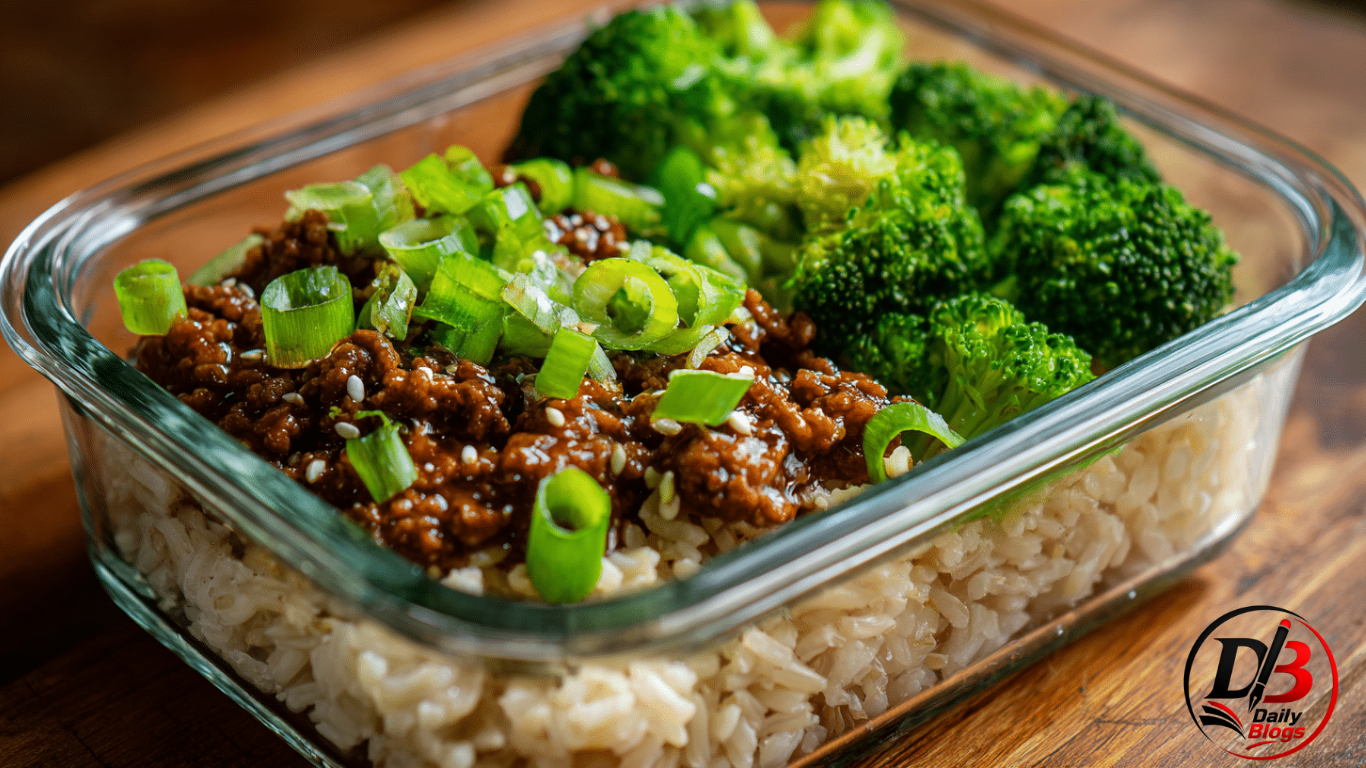
Finding time to cook balanced meals every day can feel impossible when work, family and life pull in every direction. That is where healthy ground beef meal prep comes into its own. Lean ground beef (or beef mince, as it is more commonly known in the UK) offers high-quality protein, essential nutrients and remarkable versatility at a price that suits most budgets. Preparing a batch once or twice a week turns a single cooking session into several ready-to-reheat lunches and dinners that stay interesting and satisfying.
Readers keep returning to this approach because it delivers tangible results without complicated techniques or expensive ingredients. A well-planned healthy ground beef meal prep routine supports energy levels, helps with portion control and reduces the temptation of last-minute takeaways. Whether you are feeding a household, managing training goals or simply aiming for steadier midweek eating, the method adapts easily. The following guide covers practical choices, flavour ideas and storage advice drawn from established nutrition guidance and everyday kitchen experience.
Why Lean Ground Beef Works So Well for Meal Prep
Lean ground beef stands out for meal preparation because it cooks quickly, absorbs seasoning readily and freezes without major loss of quality. Opting for 5–10% fat mince (often labelled extra lean or lean in UK shops) keeps saturated fat moderate while still providing around 20–25 g of protein per 100 g cooked portion. That protein supports muscle maintenance and helps meals feel filling for longer.
Beyond protein, ground beef supplies haem iron, which the body absorbs more efficiently than plant sources, along with vitamin B12, zinc and selenium. These nutrients contribute to energy metabolism, immune function and red blood cell formation. Pairing the meat with plenty of vegetables, pulses and whole grains creates balanced plates that align with general healthy-eating recommendations. Batch cooking also stretches the ingredient further: adding lentils, mushrooms or grated carrot increases volume and fibre while lowering the overall cost per serving.
Choosing and Preparing Your Base
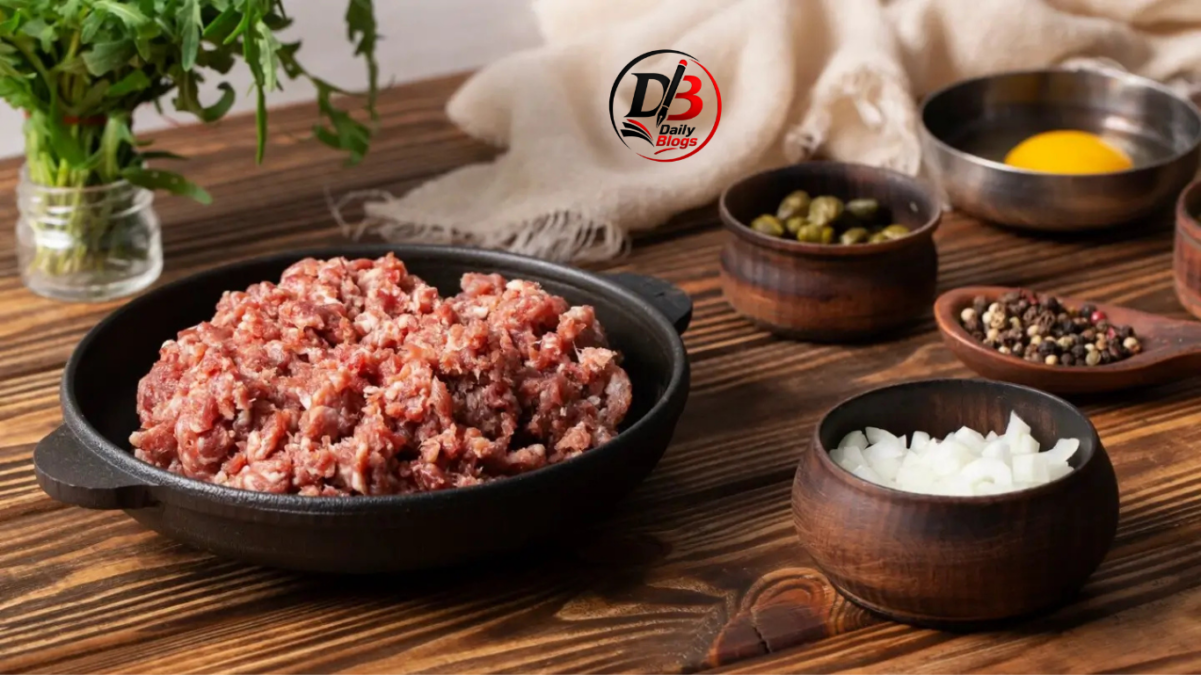
Start with fresh, good-quality lean mince. In the UK, packs clearly state fat percentage; 5% or 10% options suit most healthy ground beef meal prep needs. If buying larger quantities, divide and freeze portions of the raw mince on the day of purchase, as raw minced beef has a short fridge life of one to two days.
The simplest master method involves browning 1–1.5 kg of mince with onion and garlic in a large pan. Break up any clumps, cook until no pink remains, then drain excess fat if necessary. At this stage the base remains plain so you can season individual portions differently later. This single session yields enough cooked meat for five or six varied meals. Cool the batch promptly, then portion into airtight containers. Cooked ground beef keeps safely for three to four days in the fridge or two to three months in the freezer when properly packed.
Building Flavour Variety Without Extra Effort
One of the pleasures of healthy ground beef meal prep is transforming the same base into different cuisines. After cooking the plain batch, divide it and add distinct seasonings:
- For Mexican-style bowls, stir in cumin, smoked paprika, a pinch of chilli and a splash of water to bloom the spices. Serve over brown rice or cauliflower rice with black beans, tomato salsa, avocado and a squeeze of lime.
- Greek-inspired portions benefit from dried oregano, garlic and lemon zest. Pair with cucumber, olives, cherry tomatoes and a spoonful of natural yoghurt or light feta.
- An Asian twist uses ginger, garlic, a little reduced-salt soy sauce or coconut aminos and sesame oil. Spoon into lettuce cups or over steamed greens and a small serving of quinoa.
- Italian versions work well with dried herbs, tomato purée and a handful of spinach stirred through at the end. These make excellent fillings for courgette boats or a lighter bolognese with wholewheat pasta.
- For a classic British feel, keep seasoning simple with black pepper and thyme, then combine with diced carrots, mushrooms and a reduced-salt stock for a cottage-pie-style base topped with mashed sweet potato or potato.
These variations keep repetition at bay. Adding extra vegetables during the initial cook—peppers, courgette, cabbage or frozen mixed veg—boosts nutrient density and bulk without lengthening preparation time.
Practical Recipe Frameworks for the Week
A reliable weekly template uses the cooked base in three or four formats. Stuffed peppers are straightforward: hollow out peppers, mix a portion of seasoned mince with cooked grains or riced cauliflower and a little tomato sauce, then bake until tender. The result freezes well and reheats evenly.
Chili or bolognese-style sauces scale easily. Brown the mince with onion, add tinned tomatoes, lentils, carrot and herbs, then simmer briefly. Portion into containers; some can become chili with added beans and cumin, others remain closer to a classic ragu. Both improve in flavour after a day in the fridge.
Skillet hashes and one-pan meals suit quicker midweek assembly. Combine reheated mince with pre-roasted sweet potato cubes, spinach and a light seasoning for a complete plate in minutes. Lettuce wraps offer a lower-carbohydrate option: warm the spiced beef, add shredded carrot and cucumber, and roll in crisp leaves.
For those watching calories or saturated fat, stretch each portion with extra vegetables and legumes. Diabetes UK and similar resources often recommend mixing lentils into mince dishes precisely for this reason—higher fibre, lower overall fat and greater volume.
Storage, Safety and Reheating Essentials
Food safety remains non-negotiable. Cool cooked mince within two hours of cooking and refrigerate or freeze promptly. Use fridge portions within three to four days. When freezing, flatten portions in bags or use rigid containers to minimise air exposure and speed thawing. Defrost overnight in the fridge rather than at room temperature.
Reheat until piping hot throughout (75 °C in the centre). Microwave with a splash of water or stock to prevent dryness, or warm gently in a pan. Avoid repeated reheating of the same portion. If a dish includes cooked rice or pasta, store those components separately where possible to maintain texture.
Balancing Nutrition Across the Week
While lean ground beef supplies valuable nutrients, variety across the week matters. Alternate beef-based meals with fish, poultry, eggs or plant proteins to limit overall red-meat intake. Current guidance generally suggests moderate consumption rather than daily reliance. Pairing each serving with colourful vegetables, fibre-rich sides and modest portions of whole grains creates more complete nutrition and supports long-term heart health.
Portion awareness helps too. A typical serving of cooked lean mince sits around 100–120 g, delivering substantial protein without excess. Tracking roughly or using consistent containers makes consistency easier once the routine is established.
Common Pitfalls and How to Avoid Them
Dryness after reheating is a frequent complaint. Choosing 85–90% lean (or the UK 10% fat equivalent) rather than ultra-lean options, and adding moisture through sauces, vegetables or a little stock, largely solves this. Over-seasoning the entire batch at the start limits flexibility; seasoning smaller portions later keeps options open. Neglecting vegetables turns the meal into pure protein and can leave it less satisfying. Aim for at least half the plate as plants.
Cost concerns are understandable, yet bulk buying lean mince when on offer, combining it with inexpensive lentils and seasonal vegetables, and reducing food waste through planned prep usually lowers weekly spend compared with frequent convenience purchases.
Making the Habit Sustainable
Successful healthy ground beef meal prep depends less on perfect recipes and more on a repeatable system. Choose one free evening or Sunday afternoon, cook a generous base, portion it, and decide the flavour directions for the days ahead. Keep a short list of go-to seasoning combinations and side ideas so decision fatigue stays low. Over time the process becomes second nature and frees mental energy for other parts of the week.
The approach also scales. Single people can freeze more portions; families can double the batch and involve others in packing containers. Adjustments for dietary preferences—extra vegetables for volume, dairy-free toppings, gluten-free grains—fit easily within the same framework.
Quick Reference Facts
| Detail | Information |
| Typical lean option | 5–10% fat UK mince / 90–93% lean ground beef |
| Protein per 100 g cooked | Approximately 22–26 g |
| Key nutrients | Haem iron, vitamin B12, zinc, selenium |
| Fridge life (cooked) | 3–4 days |
| Freezer life (cooked) | 2–3 months |
| Best uses | Bowls, stuffed vegetables, sauces, hashes, wraps |
| Stretching tip | Add lentils, mushrooms or grated vegetables |
Conclusion
Healthy ground beef meal prep remains popular because it solves a practical problem while delivering solid nutrition. It demonstrates that convenient eating need not mean compromising on quality or flavour. By focusing on lean cuts, generous vegetables and sensible storage, the method supports everyday health goals without requiring specialist equipment or elaborate techniques. Many people find that once the routine settles, midweek stress decreases and meal satisfaction rises.