Santa Cruz eBikes have carved out a distinctive place in the electric mountain bike scene. Known for blending the brand’s legendary handling with modern pedal-assist technology, these machines appeal to riders who want more trail access without sacrificing the pure ride feel Santa Cruz is famous for.
Whether you are looking for a lightweight trail companion or a gravity-focused machine that feels like a downhill bike with a built-in chairlift, the Santa Cruz eBike range offers options that prioritise ride quality, durability and thoughtful engineering. Interest continues to grow as more cyclists seek ways to extend rides, tackle steeper climbs and enjoy longer days out on the trails.
From the coastal trails near their California home to UK forests and alpine paths, Santa Cruz eBikes bring the brand’s heritage of innovation to the electric era. This feature looks at how they developed, what sets them apart, and the current models that define the lineup.
Early History and the Santa Cruz Foundation
Santa Cruz Bicycles began in 1993 in a modest space in Santa Cruz, California. Founders Rob Roskopp, a former professional skateboarder, Mike Marquez, an engineer with suspension expertise, and Rich Novak, linked to the Santa Cruz Skateboards brand, set out to build the bikes they wanted to ride. Designer Tom Morris joined the early efforts.
Their first production bike, the Tazmon, arrived in 1994. It featured an 80 mm travel full-suspension single-pivot design at a time when such bikes were uncommon. The Heckler followed in 1995 with 100 mm of travel. These early models established a reputation for robust construction and progressive thinking.
Around 1999 the company acquired patents for the Virtual Pivot Point (VPP) suspension system. VPP became a hallmark of Santa Cruz bikes, delivering efficient climbing and controlled descending. The brand grew steadily, sponsoring the Santa Cruz Syndicate downhill team and expanding into carbon frames and a women’s range under Juliana.
In 2015 Santa Cruz Bicycles was acquired by the Dutch company Pon Holdings, joining brands such as Cervélo and Gazelle. Manufacturing of frames largely takes place overseas, with final assembly and quality control remaining in Santa Cruz. The company has long emphasised lifetime warranties and real-world durability.
Career and Rise of the Santa Cruz eBike Range
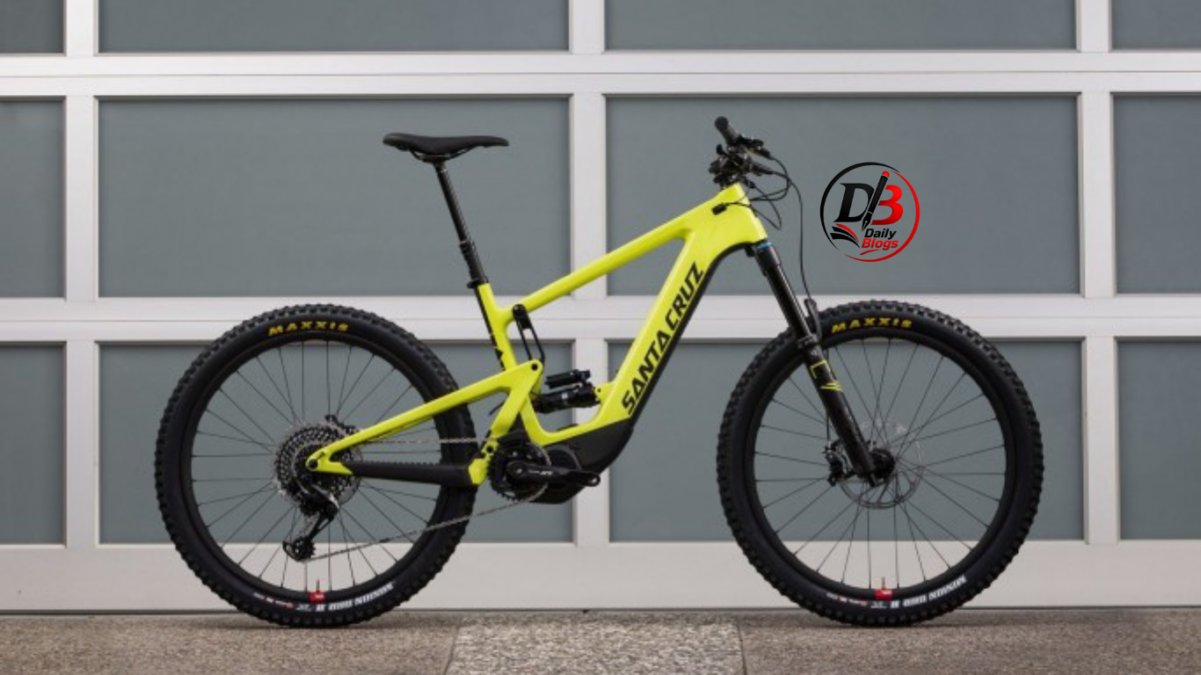
Santa Cruz entered the eBike market deliberately rather than rushing in. The first major step came in 2020 with the relaunch of the Heckler as an electric mountain bike. Later that year the Bullit arrived as a longer-travel gravity option. These early models used established drive systems and retained the brand’s characteristic geometry and suspension feel.
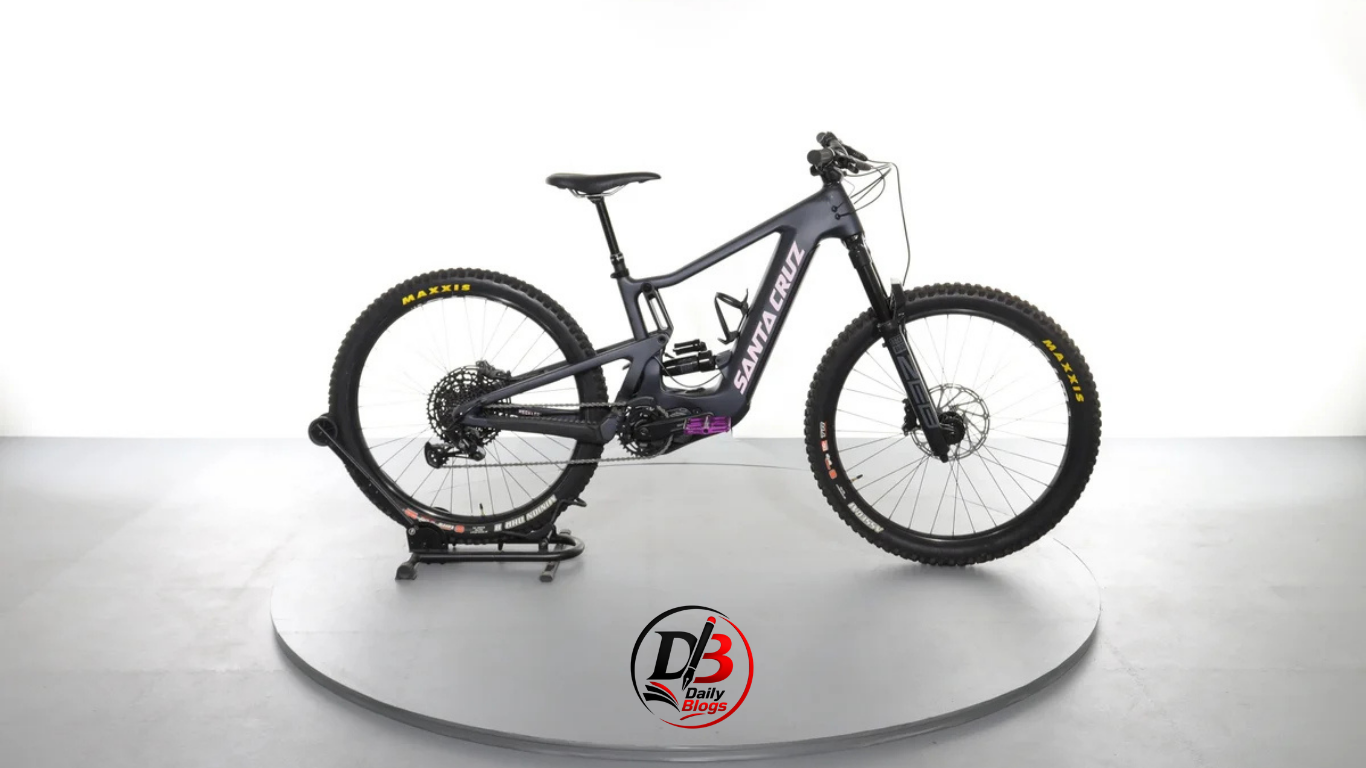
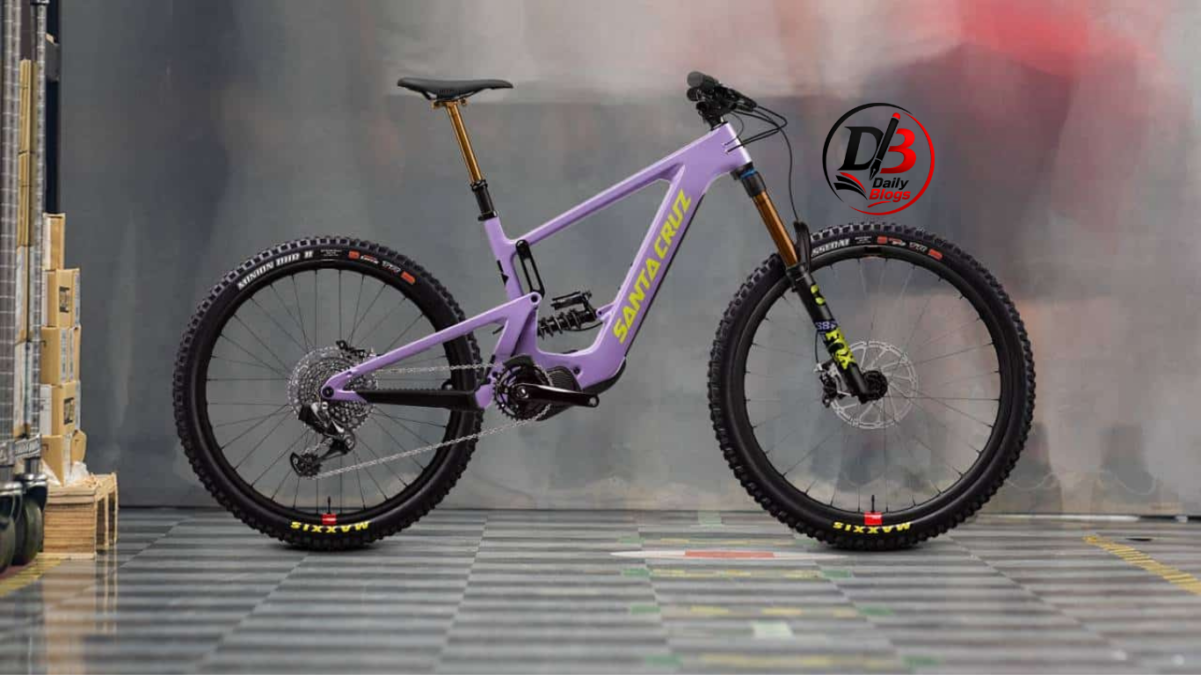
The range has since expanded thoughtfully. The Heckler SL introduced a lighter, more trail-oriented approach with the Fazua Ride 60 mid-drive system. The Vala brought full-power Bosch Performance Line CX technology in a mid-travel package. The Bullit evolved into a high-travel enduro and downhill-focused eMTB, also powered by Bosch. The Skitch added a sleek urban and gravel option with the same Fazua system.
Key strengths include high-quality carbon frames (C and CC grades), mixed wheel setups (MX: 29-inch front, 27.5-inch rear on most mountain models), progressive geometry and careful motor integration that preserves handling. Santa Cruz eBikes are assembled to order and backed by strong warranties, including bearing replacement programmes.
The brand’s reputation rests on ride quality rather than pure power figures. Riders often note that Santa Cruz eBikes feel more like traditional mountain bikes with assistance than pure e-machines. Collaborations with component partners such as Fox, RockShox, SRAM and Reserve wheels further reinforce the premium positioning.
Challenges and Evolution in the eBike Market
Like many established mountain bike brands, Santa Cruz faced questions about how to enter the electric sector without diluting its identity. Early eBikes were sometimes criticised for weight or altered handling. Santa Cruz responded by prioritising geometry, suspension kinematics and weight management where possible.
The shift from the original full-power Heckler to the lighter Heckler SL, and the introduction of the Vala as a more versatile full-power alternative, showed responsiveness to rider feedback. Bosch Gen 5 motors on the Vala and Bullit brought quieter operation, refined power delivery and software updates that can increase torque and peak power. The availability of a PowerMore range extender on certain models addresses longer-day concerns.
Market pressures around battery size, system weight and pricing remain industry-wide. Santa Cruz has maintained a relatively focused lineup rather than flooding the market with variants, which helps preserve clarity and quality control. Public information does not highlight major setbacks specific to the eBike programme; instead the story is one of measured expansion.
The Current Santa Cruz eBike Lineup
Heckler SL
A lightweight trail eBike with 160 mm front and 150 mm rear travel, VPP suspension and the Fazua Ride 60 motor (up to 60 Nm torque and 430–450 W peak). The integrated 430 Wh battery keeps weight down (around 19–20 kg depending on build). Mixed wheels and progressive geometry deliver playful handling with useful assistance. Ideal for riders who want an eBike that still feels agile on technical singletrack.
Vala
A mid-travel full-power option with 160 mm front and 150 mm rear travel. It uses Bosch’s Performance Line CX Gen 5 motor (up to 85–100 Nm depending on software) and a 600 Wh battery, with optional 250 Wh range extender. A four-bar suspension design is tuned specifically for the motor’s characteristics. Weights start around 21–22 kg. Positioned as a versatile trail and all-mountain machine.
Bullit
The longest-travel Santa Cruz eBike, offering 170 mm front and rear travel with DH-inspired geometry. Bosch CX Gen 5 power and 600 Wh battery (plus extender option) make it suited to steep, rough terrain and repeated descents. Weights typically sit in the low-to-mid 22 kg range on higher builds. Marketed as a downhill bike with a built-in chairlift.
Skitch
A carbon-framed Class 3 eBike for urban and light gravel use, available with flat or drop bars. Fazua Ride 60 system, 430 Wh battery and claimed ranges up to around 60 miles in favourable conditions. Lighter complete weights (near 13–14 kg in some builds) and discreet motor integration make it practical for commuting and mixed-surface riding.
Prices vary significantly by build kit, starting from roughly £5,500–£7,000 for entry-level versions and climbing well above £10,000 for top-spec carbon models with electronic shifting and Reserve wheels. Exact UK pricing depends on current exchange rates, import and retailer offers.
Personal and Practical Considerations for Riders
Santa Cruz eBikes are premium products aimed at experienced mountain bikers and those seeking long-term reliability. System weights, while competitive within their categories, remain higher than non-electric bikes. Battery range depends heavily on terrain, rider input, mode selection and temperature. Real-world figures are often lower than manufacturer claims under demanding conditions.
UK riders should note local regulations around Class 1, 2 and 3 eBikes, insurance considerations and trail access rules, which can vary by landowner and region. Servicing requires access to dealers familiar with Bosch or Fazua systems. Santa Cruz’s strong warranty support and parts availability help with ownership costs over time.
No reliable public information suggests widespread reliability issues unique to the current range. As with any eBike, regular maintenance of the drive unit, battery and suspension is essential.
Legacy and Lasting Impact of Santa Cruz eBikes
Santa Cruz has influenced the premium eMTB segment by showing that electric assistance need not compromise the core ride qualities that made the brand successful. The focus on geometry, suspension and component quality has helped raise expectations for how an eBike should feel on technical terrain.
The models expand access to more trails and longer rides for a wider range of fitness levels and ages, while still appealing to skilled riders who value precision handling. The brand’s continued investment in both lightweight and full-power platforms reflects a balanced view of the market’s direction.
Public perception remains positive among riders who prioritise handling and durability. Santa Cruz eBikes are frequently praised in reviews for feeling “alive” rather than simply powerful.
Conclusion
The Santa Cruz eBike range represents a careful evolution of a respected mountain bike brand into the electric era. From the agile Heckler SL to the capable Vala and the gravity-focused Bullit, plus the practical Skitch, the lineup offers clear choices built around real riding rather than maximum numbers alone.