Pork tenderloin in oven is one of those reliable weeknight heroes that feels far more impressive than the effort required. Lean, quick-cooking and wonderfully tender when handled properly, this cut turns out juicy and full of flavour with little more than a hot oven, a few seasonings and a short rest. Whether you are feeding the family on a busy evening or putting together a simple weekend roast, mastering pork tenderloin in oven opens the door to countless easy meals.
Many home cooks shy away from pork tenderloin because they have ended up with dry, chewy results in the past. The secret lies in understanding the cut itself and treating it with care. Unlike a larger pork loin roast, the tenderloin is a long, narrow muscle that cooks rapidly. Get the temperature and timing right, and you will be rewarded with slices that stay moist and mild in flavour, ready to take on whatever herbs, spices or sauces you choose.
This guide walks through everything you need to know: why the cut works so well in the oven, how to prepare it, the best method for consistent results, serving ideas and practical tips that make the difference between average and excellent.
Understanding Pork Tenderloin
Pork tenderloin (sometimes labelled pork fillet in the UK) sits along the backbone of the pig and is one of the leanest cuts available. A typical tenderloin weighs between 400 g and 600 g and is roughly the size of a large banana. Because it contains very little fat or connective tissue, it remains tender even when cooked quickly, but that same leanness means it can dry out if left too long in the heat.
Compared with pork loin or shoulder, the tenderloin needs far less time in the oven. It is also naturally mild, which makes it an excellent canvas for rubs, marinades or simple salt and pepper. Nutritionally it shines: a typical 85 g cooked serving provides around 22 g of high-quality protein with only about 3 g of fat and roughly 120 calories. It is a solid source of B vitamins, selenium, phosphorus and zinc, making it a practical choice for anyone looking for lean protein without sacrificing flavour.
One important note: do not confuse pork tenderloin with pork loin. The loin is a larger, thicker joint that requires longer, slower cooking. Recipes and timings for one will not transfer to the other.
Preparing Pork Tenderloin for the Oven
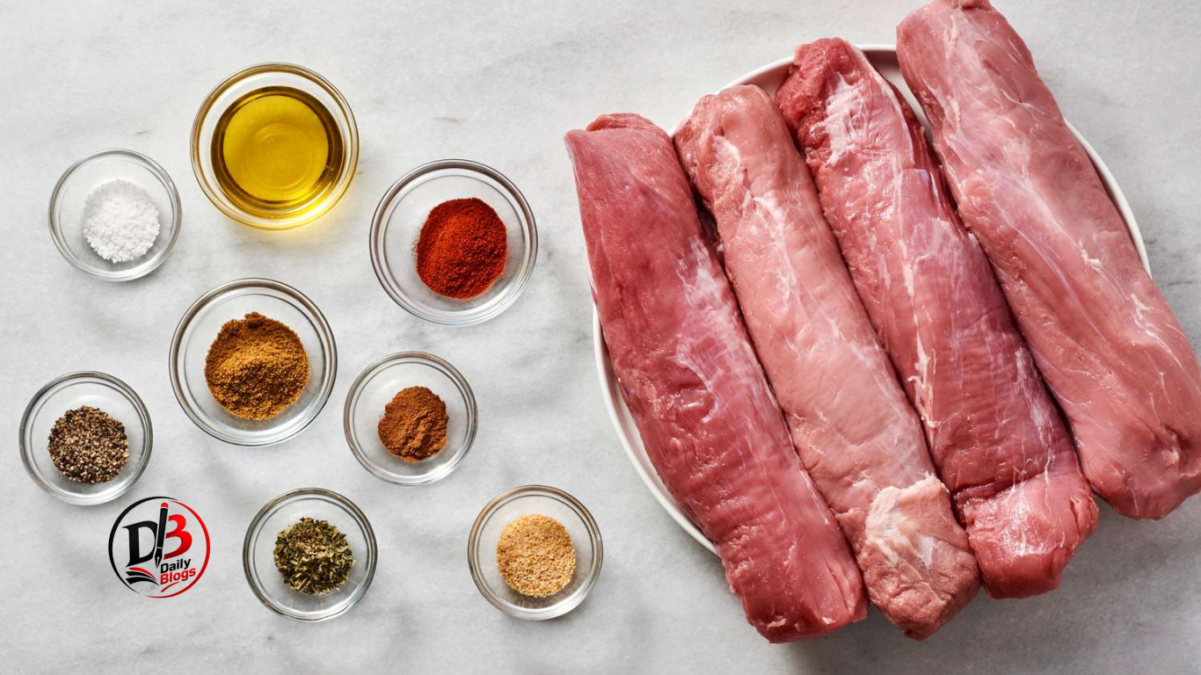
Start by removing the silver skin – the thin, silvery membrane that runs along one side of the tenderloin. Slide a sharp knife under the membrane and work it away in strips. Leaving it on can make the cooked meat feel tough. Pat the meat thoroughly dry with kitchen paper; surface moisture prevents proper browning.
Season generously. At its simplest, salt and freshly ground black pepper are enough. For more character, try a quick rub of paprika, garlic powder, dried herbs, a touch of brown sugar or mustard powder. You can also brush the surface with a little oil or mustard to help the seasonings stick. If time allows, let the seasoned tenderloin sit at room temperature for 15–20 minutes while the oven heats – this promotes more even cooking.
A meat thermometer is the single most useful tool here. Because the tenderloin is narrow, visual cues alone are unreliable. An instant-read thermometer removes the guesswork and protects against both under- and over-cooking.
The Best Method: Sear Then Roast
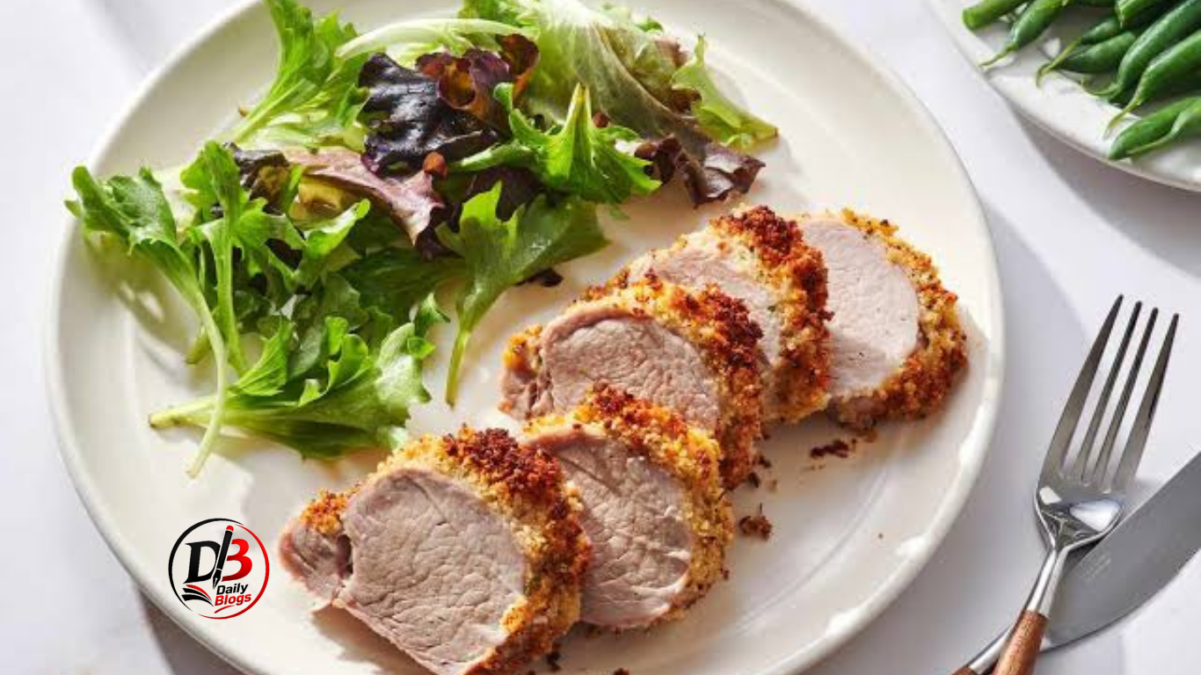
The most reliable way to cook pork tenderloin in oven combines a quick sear on the hob with a short finish in a hot oven. This creates a flavourful crust while keeping the interior moist.
Preheat the oven to 200 °C (180 °C fan / gas mark 6). Heat a heavy, oven-safe frying pan – cast iron is ideal – over medium-high heat with a tablespoon of neutral oil or a mix of oil and butter. Once the pan is hot, add the tenderloin and sear on all sides until golden brown. This usually takes 6–8 minutes in total. The goal is colour and flavour, not full cooking.
Transfer the pan straight into the hot oven (or move the meat to a roasting tray if your pan is not oven-safe). Roast for 10–18 minutes, depending on the size of the tenderloin and how hot your oven runs. Begin checking the internal temperature after about 10 minutes. Aim to remove the meat when the thickest part registers 60–63 °C. During a 5–10 minute rest under loose foil the temperature will rise a few degrees to the recommended safe finish of 63 °C / 145 °F. At this point the centre may still show a faint blush of pink – that is both safe and desirable for juiciness.
If you prefer to skip the sear, you can roast the seasoned tenderloin on a tray at the same temperature for slightly longer, around 20–25 minutes, still relying on the thermometer for accuracy. Searing, however, delivers better flavour and texture for very little extra effort.
Timing, Temperature and Resting
Exact times vary with the thickness of the meat and the accuracy of your oven, which is why temperature is more important than the clock. As a rough guide:
- A 400–500 g tenderloin typically needs 12–18 minutes after searing at 200 °C.
- Larger pieces may need a few minutes more.
- Always check early rather than risk overcooking.
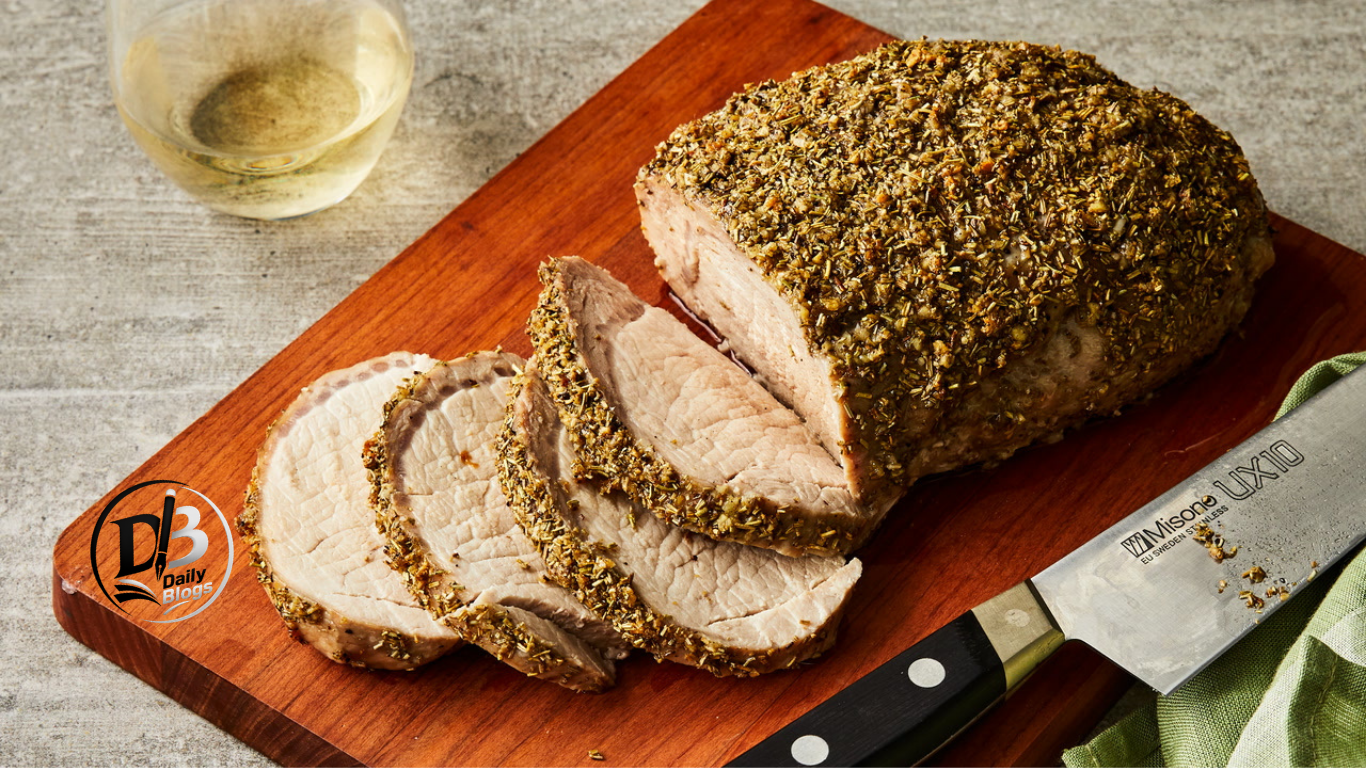
Resting is non-negotiable. Tent the cooked tenderloin loosely with foil and leave it for at least 5–10 minutes. The juices redistribute, the residual heat finishes the cooking gently, and the slices stay moist when you cut them. Slice across the grain into medallions about 1–2 cm thick for the most tender eating experience.
Flavour Variations and Serving Suggestions
Once you have the basic technique, variations are endless. A simple garlic-and-herb butter melted over the hot meat after roasting adds richness. Honey-mustard or maple-mustard glazes brushed on in the final few minutes create a sticky, caramelised exterior. For a Mediterranean twist, use rosemary, lemon zest and olive oil. Asian-inspired versions work well with a soy, ginger and garlic rub or a quick teriyaki-style glaze.
Pork tenderloin in oven pairs beautifully with roasted vegetables, creamy mashed potatoes, seasonal greens, apple sauce or a sharp mustard. It also slices well for sandwiches the next day or can be served cold in salads. Because it is so lean, a simple pan sauce made from the roasting juices – deglazed with stock, wine or cider and finished with a knob of butter – elevates the plate without much work.
Common Mistakes and How to Avoid Them
Overcooking is the most frequent culprit. Because the cut is lean and narrow, even a few extra minutes can turn it from juicy to dry. Rely on a thermometer rather than appearance alone. Failing to rest the meat is another common error; cutting too soon allows the juices to run onto the board instead of staying in the slices.
Skipping the silver-skin removal can leave chewy bits. Crowding the pan during searing lowers the temperature and produces grey rather than browned meat. Finally, seasoning too lightly results in bland flavour – the mild nature of the cut benefits from confident seasoning.
Why Pork Tenderloin in Oven Deserves a Regular Spot
Cooking pork tenderloin in oven rewards attention to a few simple principles: proper preparation, a hot sear, accurate temperature and a short rest. The result is a lean, protein-rich main course that feels special yet remains practical for everyday cooking. It adapts easily to different flavour profiles and side dishes, making it a versatile option throughout the year.
Conclusion
Once you have tried the method a couple of times you will find it becomes almost automatic. The short cooking time means dinner can be on the table in under 40 minutes from start to finish, and leftovers (if any remain) keep well for another meal. In a world of complicated recipes and long ingredient lists, a well-cooked pork tenderloin in oven is a quiet reminder that good food does not need to be difficult.