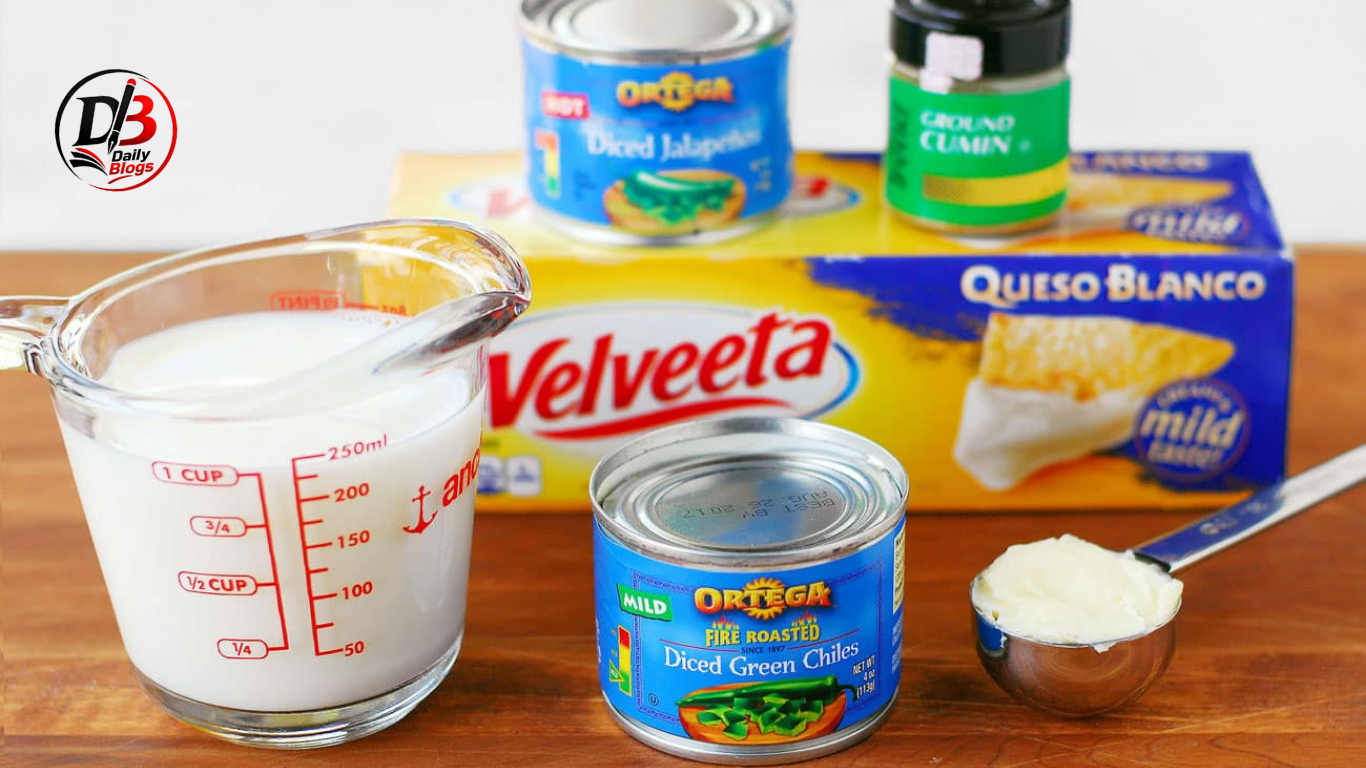
Velveeta Queso Blanco has become a quiet staple in many kitchen cupboards, especially among those who favour a milder, white cheese sauce over the classic orange loaf. This pasteurized recipe cheese product delivers the signature Velveeta melt — smooth, stretchy and reliably creamy — while offering a gentler flavour profile that suits enchiladas, white queso dips and milder Mexican-inspired dishes.
Shoppers reach for it because it performs consistently. Cube it, melt it slowly on the hob or in the microwave, and it transforms into a pourable sauce without the graininess that can plague some natural cheeses. Made with real milk and positioned as having 50 per cent less fat than cheddar cheese, it sits in that practical middle ground between convenience and everyday indulgence. For many families and party hosts, Velveeta Queso Blanco simply works.
Its popularity reflects a broader love of approachable Tex-Mex flavours and the enduring appeal of processed cheese products that prioritise meltability and shelf stability. Whether stirred into a can of tomatoes and green chillies or used as a base for more elaborate recipes, it continues to earn its place on shopping lists across the United States and beyond.
Early Life and Background
The story of Velveeta itself begins more than a century ago. In 1918, Swiss immigrant Emil Frey, working at the Monroe Cheese Company in Monroe, New York, developed a way to salvage broken wheels of Swiss cheese. By blending the scraps with whey and an emulsifier, he created a product with a notably smooth, velvety texture when melted. The name Velveeta was chosen to evoke that quality.
A separate Velveeta Cheese Company was incorporated in 1923. Kraft acquired the brand in 1927 and expanded production and marketing. In the 1930s it received the American Medical Association’s seal of approval and was promoted for its nutritional value at the time. Over the decades the formulation evolved; by the early 2000s it was labelled a “pasteurized prepared cheese product” rather than a traditional cheese spread, reflecting changes in ingredients that include milk proteins, oils and stabilisers.
Velveeta Queso Blanco emerged later as a white, milder variant designed specifically for those seeking the classic melt without the orange colour or sharper notes of the original. Exact launch details for the block form are not widely publicised in official timelines, but it has been available for years in 16-ounce and 32-ounce sizes as a dedicated option for white queso and lighter-flavoured dishes. It draws on the same melting technology that made the original famous while aiming for a creamier, less assertive taste.
Career and Rise to Fame
Velveeta’s breakthrough came through its reliability in the kitchen. The product melts evenly and stays smooth, making it ideal for dips, sauces and casseroles. The classic combination with Ro-Tel diced tomatoes and green chillies became a cultural shorthand for easy, crowd-pleasing queso, especially at gatherings, game days and family meals. Kraft and Ro-Tel even marketed the pairing together for years.
Velveeta Queso Blanco built on that foundation by offering a white alternative. Home cooks use it for chicken enchiladas, white nacho cheese, creamy soups and milder dips where the orange hue of traditional Velveeta would feel out of place. Food writers and recipe testers often note its nostalgic, uniform texture and the way emulsifiers keep the sauce pourable even as it cools slightly.
It has never been about awards in the conventional sense. Its recognition comes from consistent consumer demand and its role in everyday American cooking. Collaborations are more practical than glamorous: the product appears in countless user-generated recipes, supermarket promotions and brand-backed suggestions for macaroni and cheese variations or casserole toppings. Public reputation centres on convenience and performance — it is the cheese that melts when you need it to.
Personal Challenges or Turning Points
Like the broader Velveeta line, Queso Blanco has faced questions about what “cheese” means. The original product’s reformulation led the FDA in 2002 to require a change in labelling language; it is sold as a pasteurized prepared or recipe cheese product rather than a traditional cheese. Critics of ultra-processed foods point to sodium levels (around 390 mg per ounce serving) and the presence of additives, while supporters highlight the calcium content and lower fat claim relative to cheddar.
Supply hiccups have occasionally made headlines, most memorably the pre-Super Bowl “cheesepocalypse” concerns years ago for the wider brand. Formulation debates continue in online discussions and food media, with some preferring natural cheeses for flavour and others defending the unmatched melt of the processed version. Through these conversations the product has remained available and popular, demonstrating resilience rooted in practical utility rather than gourmet credentials.
Product Details and Everyday Use
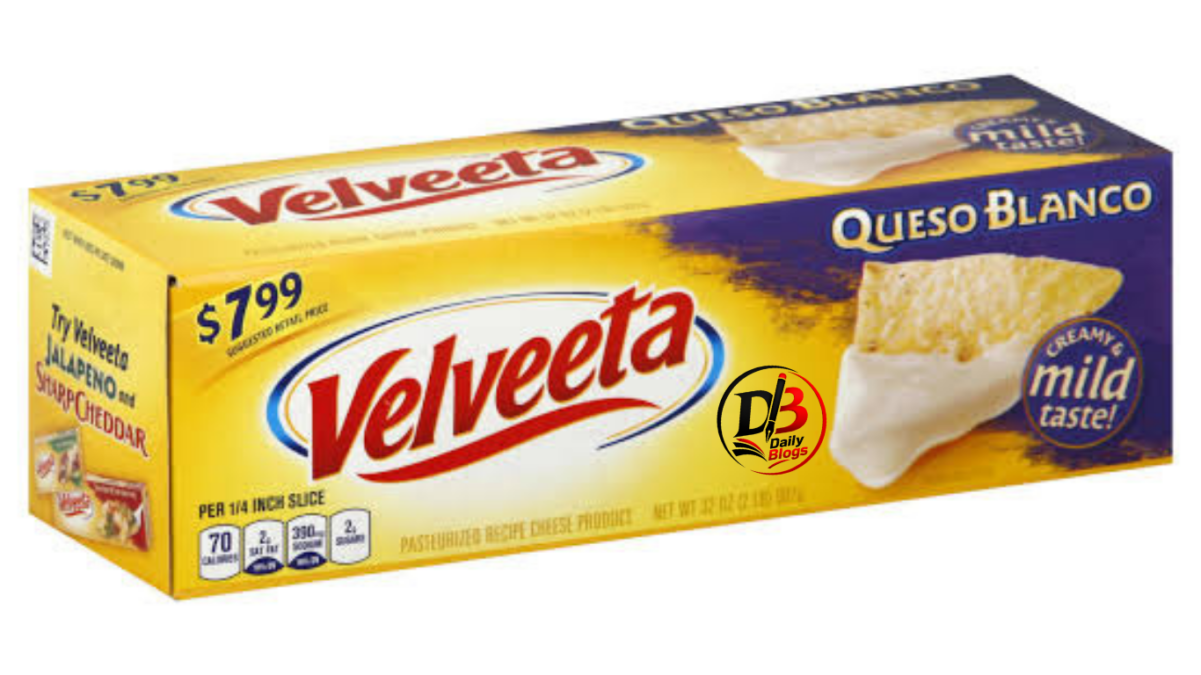
Velveeta Queso Blanco is sold primarily as a refrigerated or shelf-stable block (depending on packaging and retailer) in common sizes such as 16 oz and 32 oz. Ingredients typically include skim milk, milk, canola oil, milk protein concentrate, sodium phosphate, whey and smaller amounts of modified food starch, whey protein concentrate, salt, calcium phosphate, maltodextrin, lactic acid, sodium alginate, sodium citrate, sorbic acid (as preservative), vitamin A palmitate, enzymes, cheese culture and milkfat. It contains milk and is therefore unsuitable for those with dairy allergies.
Nutrition for a one-ounce serving is roughly 70 calories, 4 g total fat (1 g saturated), 10 mg cholesterol, 390 mg sodium, 3 g carbohydrate (2 g sugars) and 4 g protein, with about 15 per cent of the daily value for calcium. The brand notes it contains 50 per cent less fat than cheddar cheese.
There is no personal “family life” in the human sense, but the product integrates easily into family cooking. Users often pair it with salsa, green chillies, chicken or vegetables. Storage guidance generally recommends refrigeration after opening and use within a reasonable period for best quality. Public brand messaging emphasises real milk and the pleasure of creamy, melty results without complicated technique.
Later Career and Current Activities
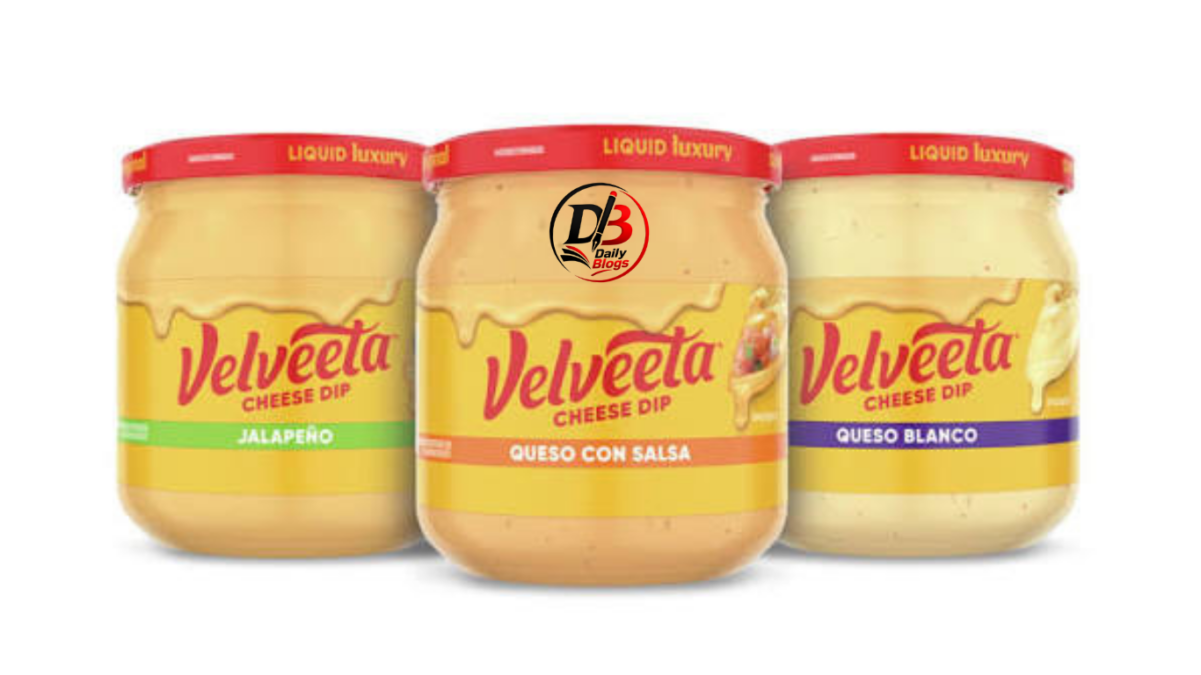
Today Velveeta Queso Blanco remains widely available in major grocery chains, warehouse clubs and online retailers in the United States. The brand has expanded the Queso Blanco idea into other formats, including individually wrapped slices and, more recently, ready-to-eat jarred queso dips. In 2024 Kraft Heinz launched its first ready-to-eat Velveeta Queso line, which included a Queso Blanco flavour alongside Queso Con Salsa and Jalapeño options in resealable jars for convenient dipping.
These developments keep the name relevant for both traditional block users and those seeking even less preparation. The product continues to appear in recipe content focused on game-day snacks, weeknight dinners and party food. While it is not typically associated with high-profile charity campaigns, the broader Kraft Heinz portfolio supports various community and food-access initiatives. Business activity centres on maintaining distribution, occasional flavour or format innovation, and marketing that leans into the idea of unapologetic, creamy enjoyment.
Quick Bio
| Detail | Information |
| Full Name | Velveeta Queso Blanco Pasteurized Recipe Cheese Product |
| Introduced | Block form available for years; exact debut not widely publicised; jarred ready-to-eat line 2024 |
| Origin | United States (Velveeta brand roots in Monroe, New York, 1918) |
| Manufacturer | Kraft Heinz |
| Product Type | Pasteurized recipe cheese product |
| Common Sizes | 16 oz and 32 oz blocks; also slices and jarred dips |
| Known For | Creamy melt, mild white flavour, easy queso and enchilada sauces |
| Key Nutrition (per 1 oz) | Approx. 70 calories, 4 g fat, 390 mg sodium, 4 g protein, good source of calcium |
Legacy and Lasting Impact
Velveeta Queso Blanco endures because it solves a practical problem: delivering reliable, crowd-pleasing melted cheese with minimal fuss. It sits within a larger tradition of American processed cheese that prioritised consistency, shelf life and accessibility. Its influence appears less in fine-dining circles and more in home kitchens, potlucks and casual entertaining, where a smooth white sauce can elevate simple ingredients.
Public perception is mixed in the way many convenience foods are — some celebrate the nostalgia and performance, others prefer less processed alternatives. The lasting lesson is that certain products succeed by understanding everyday needs rather than chasing culinary prestige. For anyone who has ever needed a dependable melt for nachos or enchiladas on short notice, Velveeta Queso Blanco remains a familiar and useful option.
Conclusion
From its roots in early-20th-century cheese-saving ingenuity to its current role as a mild, meltable white option, Velveeta Queso Blanco illustrates how a practical product can become woven into ordinary cooking routines. It does not claim to reinvent cheese; it simply melts well, tastes mild and fits the recipes people actually make. That straightforward reliability explains why it continues to appear on shopping lists and in recipe searches year after year.