Cravings for something sweet can derail even the most careful eating plans. For many people trying to manage their weight, finding a treat that feels satisfying without a heavy calorie load is a constant challenge. One option that has gained attention online is a basic jello recipe for weight loss, built around sugar-free gelatin or unflavoured gelatin powder.
This approach is not a miracle solution or a fat-burning formula. It is simply a high-volume, low-energy-density food that can help some people stick to a calorie deficit by replacing higher-calorie desserts or snacks. When prepared carefully, it delivers a light, jiggly texture and a touch of protein while keeping calories minimal. The key lies in how it is used within an overall balanced diet rather than as a standalone fix.
In the UK, what Americans call jello is typically known as jelly. The principles remain the same whether you reach for a packet of sugar-free jelly crystals or plain gelatine powder. This article explores the practical recipes, the modest evidence behind the idea, and realistic ways to include it without falling for exaggerated claims.
Understanding the Appeal of a Jello Recipe for Weight Loss
Sugar-free gelatin desserts are mostly water with a small amount of protein from the gelatin itself. A prepared half-cup serving of standard sugar-free jello often contains around 10 calories, virtually no fat or sugar, and roughly 1–2 grams of protein. Unflavoured gelatin powder offers a slightly higher protein return: about 6 grams and 23 calories per tablespoon when mixed with water.
The main proposed benefits come from two simple mechanisms. First, the gel expands slightly in the stomach, creating physical volume that can signal fullness for a short time. Second, the protein content may contribute to satiety more effectively than pure carbohydrate snacks. Some older research has suggested gelatin can reduce hunger more than certain other proteins in controlled settings, though the effects are temporary and modest.
Experts, including registered dietitians and bariatric specialists, consistently note that any weight change comes from the calorie substitution, not from special metabolic properties. Replacing a 250–300 calorie evening dessert with a 10–70 calorie gelatin option can create a daily deficit if the rest of the diet stays consistent. Claims that gelatin “melts fat,” boosts metabolism dramatically, or mimics prescription GLP-1 medications are not supported by reliable evidence. Viral “pink gelatin” promotions that name celebrities have also been widely debunked as scams.
Used sensibly, however, a well-made jello recipe for weight loss can make calorie control feel less restrictive. It offers a sweet-tasting option that fits easily into a higher-protein or lower-calorie eating pattern.
Basic Sugar-Free Jello Recipe for Everyday Use
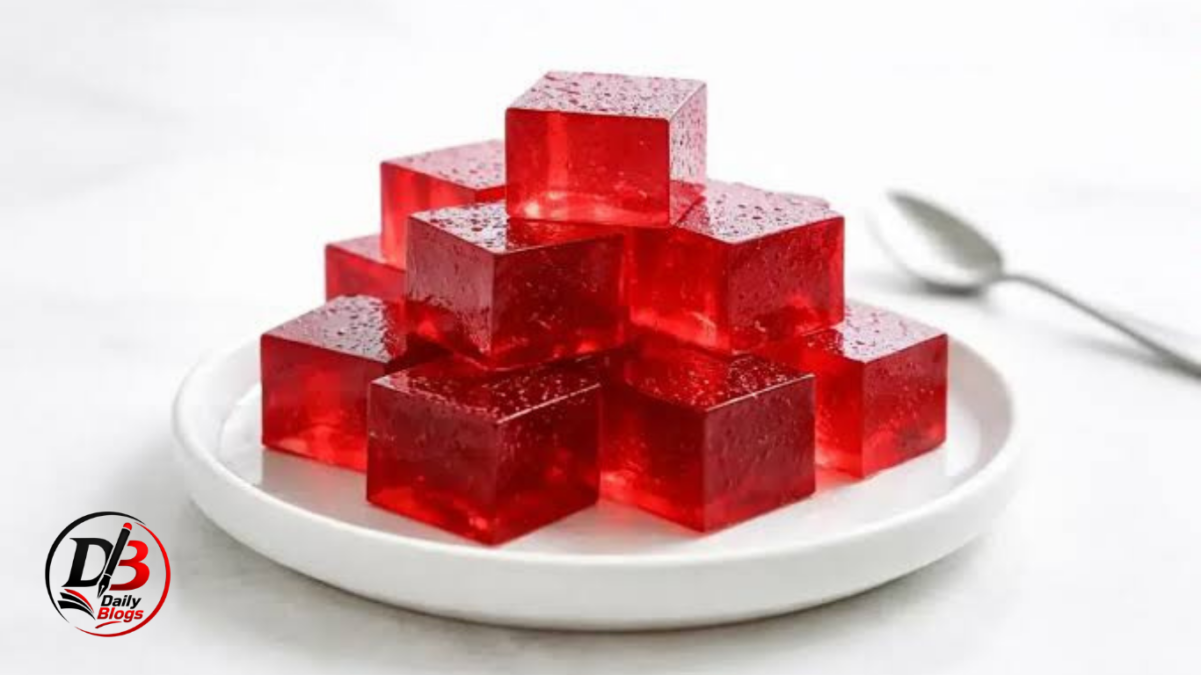
The simplest starting point is a classic sugar-free version. This works well as a light dessert or snack.
Ingredients (makes about 4 servings)
- 1 packet (approximately 0.3 oz / 8–10 g) sugar-free flavoured gelatin or jelly crystals
- 1 cup (240 ml) boiling water
- 1 cup (240 ml) cold water
Method
- Empty the packet into a heatproof jug or bowl.
- Pour over the boiling water and stir thoroughly until the crystals dissolve completely.
- Add the cold water and stir again.
- Pour into individual cups, a mould or a shallow dish.
- Refrigerate for at least 3–4 hours until fully set.
Each serving typically lands around 10 calories. For extra volume without calories, some people add ice cubes during the mixing stage or use a larger quantity of liquid while keeping the gelatin amount the same, though the set will be softer.
Higher-Protein Variations That Support Satiety
Plain sugar-free jello is very light. Adding a protein source turns it into a more substantial option that many find useful before or after meals.
Fluffy Yogurt Jello
This popular version blends Greek yogurt for creaminess and extra protein.
Ingredients
- 1 packet sugar-free gelatin
- 1 cup boiling water
- 1 cup (about 225–250 g) plain non-fat or low-fat Greek yogurt
- Optional: a few drops of vanilla extract or liquid sweetener
Method
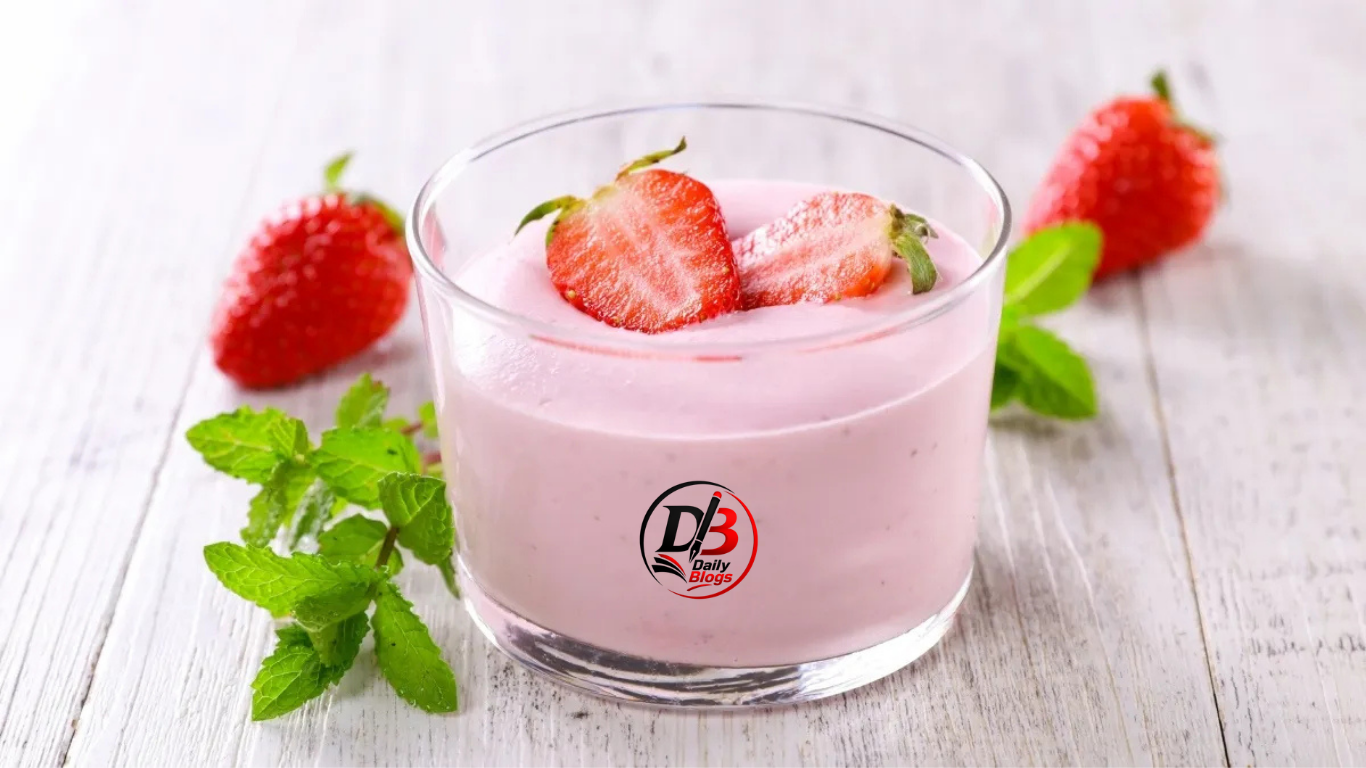
Dissolve the gelatin in the boiling water. Allow it to cool slightly so it is warm but not hot. Whisk in the yogurt until smooth. Pour into a dish and chill for 2–4 hours. The result is a mousse-like texture with roughly 50–100 calories and 15–20 grams of protein depending on the yogurt used and portion size.
Simple Unflavoured Gelatin Drink or Cubes
Often called the “gelatin trick,” this focuses on pure protein.
Ingredients (1 serving)
- 1 tablespoon (7–10 g) unflavoured gelatin powder
- 2–3 tablespoons cold water (for blooming)
- 1 cup (240 ml) hot water, green tea or herbal tea (not boiling)
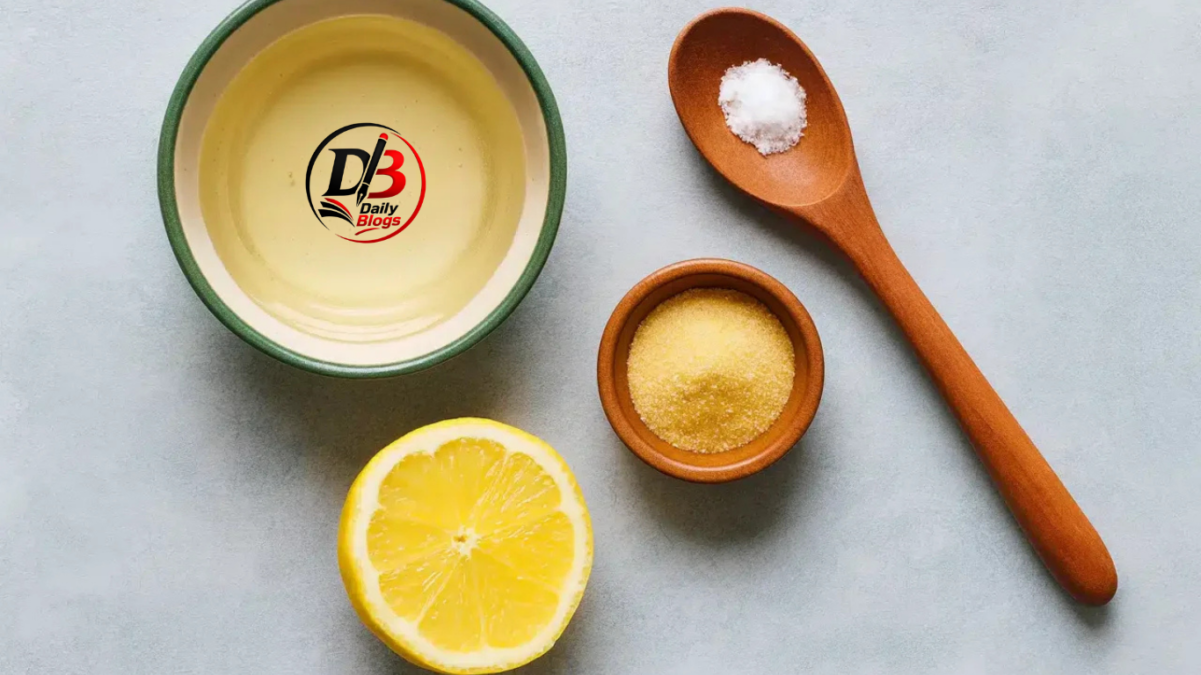
- Optional: 1 teaspoon fresh lemon juice or a splash of unsweetened cranberry juice for flavour
Method
Sprinkle the gelatin evenly over the cold water and leave it undisturbed for 3–5 minutes until it becomes spongy. Pour the hot liquid over the bloomed gelatin and stir until completely dissolved. Drink warm 15–30 minutes before a meal, or pour into silicone moulds and refrigerate until set. Nutrition is approximately 25 calories and 6 grams of protein.
These preparations are inexpensive and take only a few minutes of active time. The drink form may offer a short-term fullness effect before eating; the set version works better as a dessert replacement.
Practical Tips for Using Jello in a Weight-Loss Context
Timing and context matter more than the recipe itself. Many people find the greatest benefit when they use a serving in place of a higher-calorie snack or dessert rather than adding it on top of their usual intake. Consuming a small portion 15–30 minutes before a main meal may help some individuals start the meal feeling slightly more satisfied, though the effect is temporary and varies from person to person.
Choose products carefully. Sugar-free packets often contain artificial sweeteners; if these cause digestive discomfort, switch to unflavoured gelatin and flavour it yourself with citrus, herbs or a tiny amount of pure fruit juice. Unflavoured gelatin is typically derived from animal collagen, so it is unsuitable for vegetarians or vegans. Plant-based gelling agents such as agar exist, but they behave differently and do not provide the same protein profile.
Portion control remains important. Even low-calorie foods can be overeaten, and reliance on highly processed sweetened products can keep a preference for intense sweetness alive. Pairing gelatin desserts with protein-rich meals, vegetables and fibre helps create more lasting fullness than the gelatin alone.
Hydration is another quiet benefit. Because these recipes are largely water, they contribute to daily fluid intake, which can reduce the chance of mistaking thirst for hunger.
Realistic Expectations and Potential Drawbacks
A jello recipe for weight loss can support calorie control for some people, but it is not a complete nutrition strategy. Gelatin is an incomplete protein, lacking certain essential amino acids. It provides almost no fibre, vitamins or minerals of note. Depending on it too heavily risks displacing more nutrient-dense foods.
Artificial sweeteners in many commercial packets are generally recognised as safe in moderation, yet some individuals prefer to minimise them. There is no strong evidence that gelatin produces meaningful long-term weight loss beyond the calories it displaces. Sustainable results still depend on overall energy balance, adequate protein from varied sources, movement, sleep and stress management.
Those with specific dietary needs, kidney concerns or digestive conditions should check with a healthcare professional or registered dietitian before making gelatin a regular habit. Pregnant people and anyone on medication should also seek personalised advice.
Building a Balanced Approach Around Occasional Treats
The most useful way to think about these recipes is as tools rather than rules. A well-made sugar-free or protein-boosted jello can satisfy a sweet craving at the end of the day without derailing progress. It can also serve as a high-volume filler for those who prefer larger portions of low-energy food.
Combine it with genuine dietary foundations: plenty of vegetables, lean proteins, whole grains or their equivalents, and healthy fats in appropriate amounts. Track overall patterns rather than individual foods. Over time, many people find that the intense desire for sweet treats softens when their meals are consistently satisfying.
Home preparation also gives control over ingredients. You avoid the higher sugar content of traditional jellies and can experiment with flavours that suit your preferences—lemon and green tea, berry yogurt versions, or plain cubes eaten with a few fresh berries.
Conclusion
A thoughtful jello recipe for weight loss offers a practical, low-effort option for managing sweetness and volume while keeping calories in check. The science behind it is straightforward: high water content, modest protein and the psychological satisfaction of a dessert-like food can help some people maintain a calorie deficit more comfortably. Results depend entirely on consistent use as a substitute rather than an addition, and on the broader habits surrounding it.