
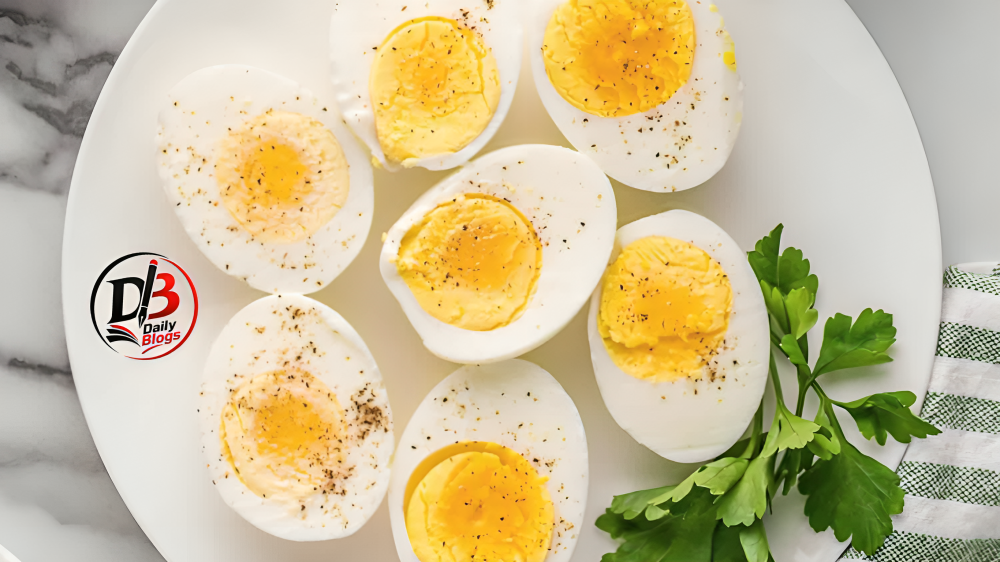
Few kitchen debates spark as much passion as the “perfect” hard boiled egg. Ask ten people how they achieve one, and you’ll likely get ten different methods, timings and superstitions. Yet in recent years, a single technique has quietly won over sceptics and seasoned cooks alike: making instant pot hard boiled eggs.
What began as a niche tip shared among pressure-cooker enthusiasts has become one of the most searched-for kitchen shortcuts around. It’s not hard to see why. The method promises consistent results, effortless peeling and none of the guesswork that comes with stovetop boiling. For anyone who has ever battled a stubborn shell or ended up with a grey-ringed yolk, it feels like a small revelation.
This article looks at why the Instant Pot has become such a popular tool for egg cookery, walks through the method step by step, and explains the science behind why it works so reliably — along with the common pitfalls worth avoiding.
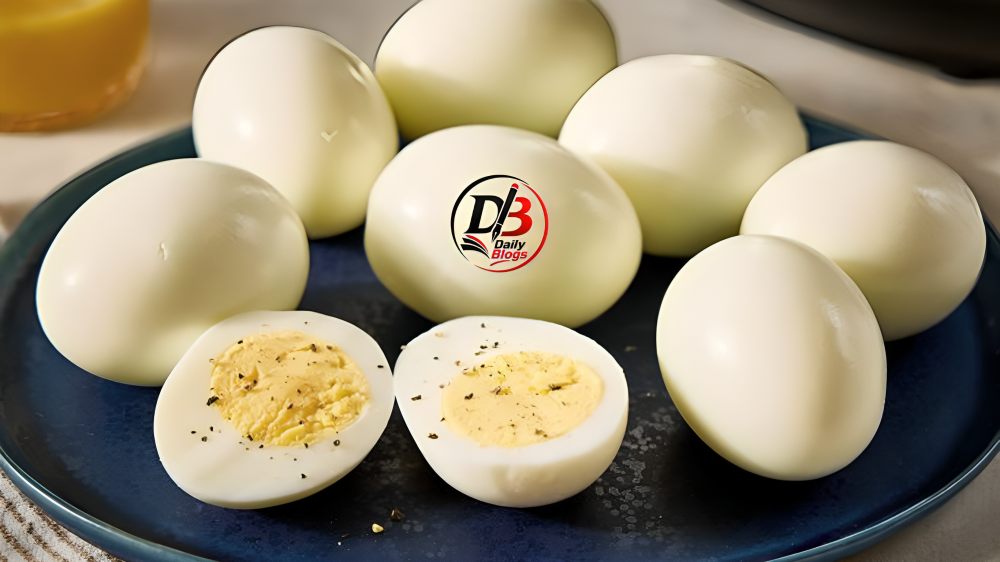
Why the Instant Pot Method Became So Popular
Traditional hard boiling seems simple enough, but in practice it’s surprisingly easy to get wrong. Eggs crack in bubbling water, yolks overcook and turn chalky, and shells cling stubbornly to the whites beneath them. As pressure cookers found their way into more British kitchens over the past decade, home cooks began experimenting with them for tasks well beyond stews and grains — and eggs turned out to be an unexpected success story.
The appeal comes down to consistency. Because the Instant Pot cooks with steam under controlled pressure, rather than direct contact with boiling water, the eggs cook more evenly. There’s less risk of cracking, and the rapid pressure release that follows cooking helps separate the membrane from the shell, making peeling noticeably easier. For meal preppers, this has been something of a game-changer, since a batch of a dozen eggs can be cooked, cooled and peeled with minimal fuss.
Search interest in the topic has grown steadily as more people adopt multicookers as everyday appliances rather than occasional gadgets. It reflects a broader shift in home cooking towards methods that prioritise reliability and convenience without sacrificing quality.
How to Make Instant Pot Hard Boiled Eggs
The method itself is refreshingly simple, and most versions follow the same basic structure, often nicknamed the “5-5-5 method” by those who’ve fine-tuned it through trial and error.
What You’ll Need
- Eggs (any quantity, as long as they fit in a single layer on the trivet)
- A steamer basket or trivet, usually included with the Instant Pot
- 240ml (one cup) of water
- A bowl of ice water for cooling
Step-by-Step Method
- Pour the water into the inner pot and place the trivet inside.
- Arrange the eggs in a single layer on the trivet. Avoid stacking them, as this can lead to uneven cooking.
- Secure the lid and set the valve to the sealing position.
- Select the “Manual” or “Pressure Cook” setting on high pressure and set the timer for five minutes.
- Once cooking finishes, allow a natural pressure release for five minutes, then carefully switch the valve to quick release for any remaining pressure.
- Transfer the eggs immediately into a bowl of ice water and leave them for at least five minutes before peeling.
This is where the “5-5-5” nickname comes from: five minutes of cooking, five minutes of natural release, and five minutes in an ice bath. Some cooks prefer six or seven minutes of cooking for firmer yolks, while others reduce it slightly for a softer centre, so it’s worth adjusting to personal taste once you’ve tried the base method.
The Science Behind Why It Works So Well
Steam is a far gentler and more even heat source than boiling water. In a traditional pot, eggs closest to the base or sitting directly on rolling bubbles are prone to cracking and uneven cooking. Inside a pressure cooker, the eggs sit above the water on a trivet, cooking purely from steam that circulates consistently around each shell.
The other key factor is the rapid temperature change created by the ice bath. This sudden cooling causes the egg white to contract slightly away from the shell’s inner membrane, which is largely responsible for the easy-peel effect so many people rave about. It’s a similar principle to why older eggs (rather than very fresh ones) tend to peel more easily using any cooking method — the air pocket inside has had time to expand, and the whites are less tightly bonded to the shell.
Common Mistakes to Avoid
Even a method this simple can go wrong if a few details are overlooked.
Skipping the ice bath. Removing the eggs from heat and letting them cool at room temperature without an ice bath often results in a persistent grey-green ring around the yolk, caused by a reaction between sulphur and iron compounds when eggs are left to overcook gradually.
Overcrowding the trivet. Stacking eggs in multiple layers leads to inconsistent cooking times, since eggs closer to the steam source cook faster than those buried beneath others.
Using very fresh eggs and expecting perfect peeling. Freshness is wonderful for poaching or frying, but for hard boiling, eggs that are a week to ten days old tend to peel far more cleanly.
Ignoring altitude and pot size differences. Larger multicookers and different regional water pressures can slightly affect cooking times, so it’s worth doing a small test batch when using a new appliance for the first time.
Variations and Uses
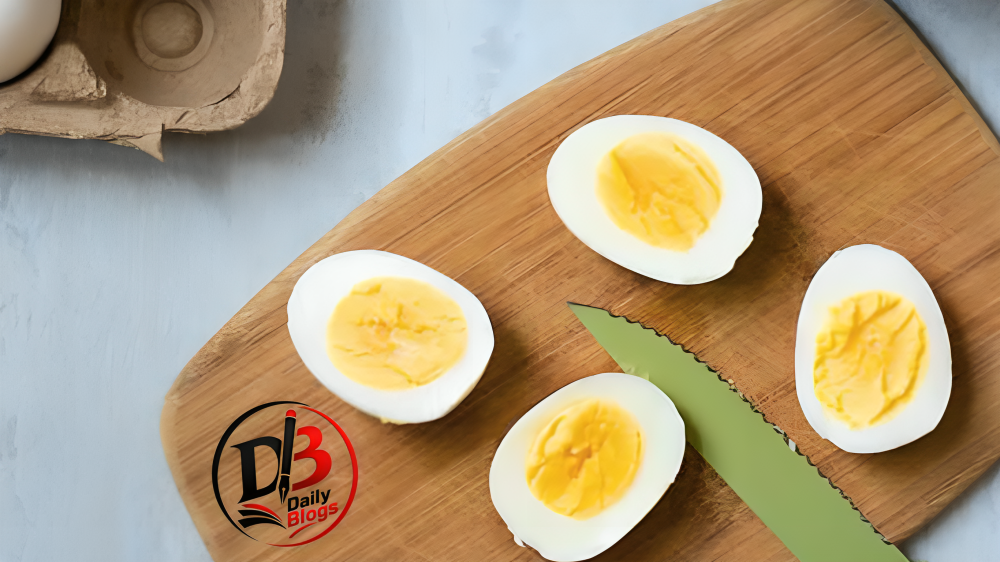
Once the base method is mastered, there’s plenty of room for adaptation. Some cooks prefer a jammy, slightly soft-centred yolk for salads and ramen, achieved by trimming the cook time down to around four minutes. Others batch-cook a dozen or more at the start of the week for snacking, salads, sandwich fillings or classic devilled eggs.
The method also works well for smaller or larger eggs, though timing may need slight adjustment — extra-large or duck eggs, for instance, often benefit from an additional minute of pressure cooking.
Quick Reference Guide
| Egg Style | Cook Time (High Pressure) | Natural Release | Ice Bath |
| Soft-set (jammy) yolk | 4 minutes | 5 minutes | 5 minutes |
| Classic hard boiled | 5–6 minutes | 5 minutes | 5 minutes |
| Extra-firm yolk | 7 minutes | 5 minutes | 5 minutes |
Why This Method Has Staying Power
Cooking trends come and go, but the Instant Pot approach to hard boiled eggs has endured because it solves a genuinely common frustration rather than offering a gimmick. It removes much of the guesswork from a task that, on paper, sounds simple but often disappoints in practice. For anyone who meal preps, cooks in bulk, or simply wants one less thing to worry about at breakfast time, it’s easy to understand the lasting appeal.
As pressure cookers and multicookers continue to be kitchen staples in households across the UK, it seems likely that this method will remain a go-to reference for home cooks for years to come — not because it’s flashy, but because it consistently works.
Conclusion
At its core, the popularity of instant pot hard boiled eggs comes down to something refreshingly simple: reliability. In a world of complicated recipes and conflicting kitchen advice, a method that delivers the same good result every single time is worth its weight in gold. Whether you’re prepping a week’s worth of snacks or just want one less variable to think about at breakfast, this approach has earned its place as a modern kitchen essential.