Few dishes capture the balance of simplicity and elegance quite like a good salmon sushi recipe. What looks like an intricate, restaurant-only craft is, in truth, a set of humble techniques that reward patience rather than expensive equipment. That’s precisely why home cooks across the UK keep returning to it, whether they’re feeding a family on a Friday night or putting together an impressive spread for guests.
There’s also something deeply satisfying about making sushi from scratch. It slows you down. You’re seasoning rice by hand, slicing fish with care, and rolling everything together with attention rather than rushing through a recipe on autopilot. For many, that process has become as enjoyable as eating the finished plate.
This guide walks through everything needed to make a proper salmon sushi recipe at home, from choosing the right fish to rolling, slicing and serving it with confidence — no specialist training required, just a little practice and good ingredients.
Understanding the Basics
Before getting into methods, it helps to understand what actually makes sushi work. At its heart, sushi is built around shari — vinegared rice — paired with a topping or filling, most commonly raw or lightly cured fish. Salmon has become one of the most popular choices in the UK and beyond, largely because of its rich flavour, appealing colour and relatively forgiving texture for beginners learning to slice.
It’s worth noting early on that not all salmon is suitable for raw preparation. Fish intended for sushi should be labelled “sushi-grade” or “sashimi-grade” by a reputable fishmonger, or it should have been previously frozen at very low temperatures to eliminate parasites, in line with UK food safety guidance. Buying from a trusted supplier isn’t a formality — it’s the single most important safety step in this entire recipe.
Choosing Your Ingredients
A great salmon sushi recipe depends on just a handful of components, but each one matters.
Salmon: Look for firm, glossy fillets with a fresh, clean smell — never a strong fishy odour. Farmed Scottish salmon is widely available and well suited to sushi when sold as sashimi-grade.
Sushi rice: Short-grain Japanese rice is essential. Its natural stickiness holds the rolls together in a way that regular long-grain rice simply cannot replicate.
Rice vinegar, sugar and salt: These three combine to season the cooked rice, giving it that distinctive tang.
Nori (seaweed sheets): Used for rolling maki-style sushi.
Optional extras: Cucumber, avocado, spring onion, sesame seeds, pickled ginger, wasabi and soy sauce for serving.
Step-by-Step Salmon Sushi Recipe
Preparing the Rice
Rinse 300g of sushi rice under cold water until the water runs mostly clear — this removes excess starch and prevents overly sticky, clumpy rice. Cook according to packet instructions, typically using a 1:1 ratio of rice to water, either in a rice cooker or a covered saucepan on a low simmer.
While the rice is still warm, fold through a mixture of 3 tablespoons of rice vinegar, 2 tablespoons of sugar and 1 teaspoon of salt, stirring gently with a wooden spatula rather than a metal spoon, which can crush the grains. Spread the rice out to cool to room temperature before using — warm rice will make the nori go soft and unworkable.
Preparing the Salmon
Pat the salmon dry with kitchen paper and, using a sharp knife, slice it into thin, even strips or small cubes, depending on whether you’re making nigiri, maki rolls or a sushi bowl. A clean, confident cutting motion produces neater slices than repeated sawing.
Rolling the Sushi
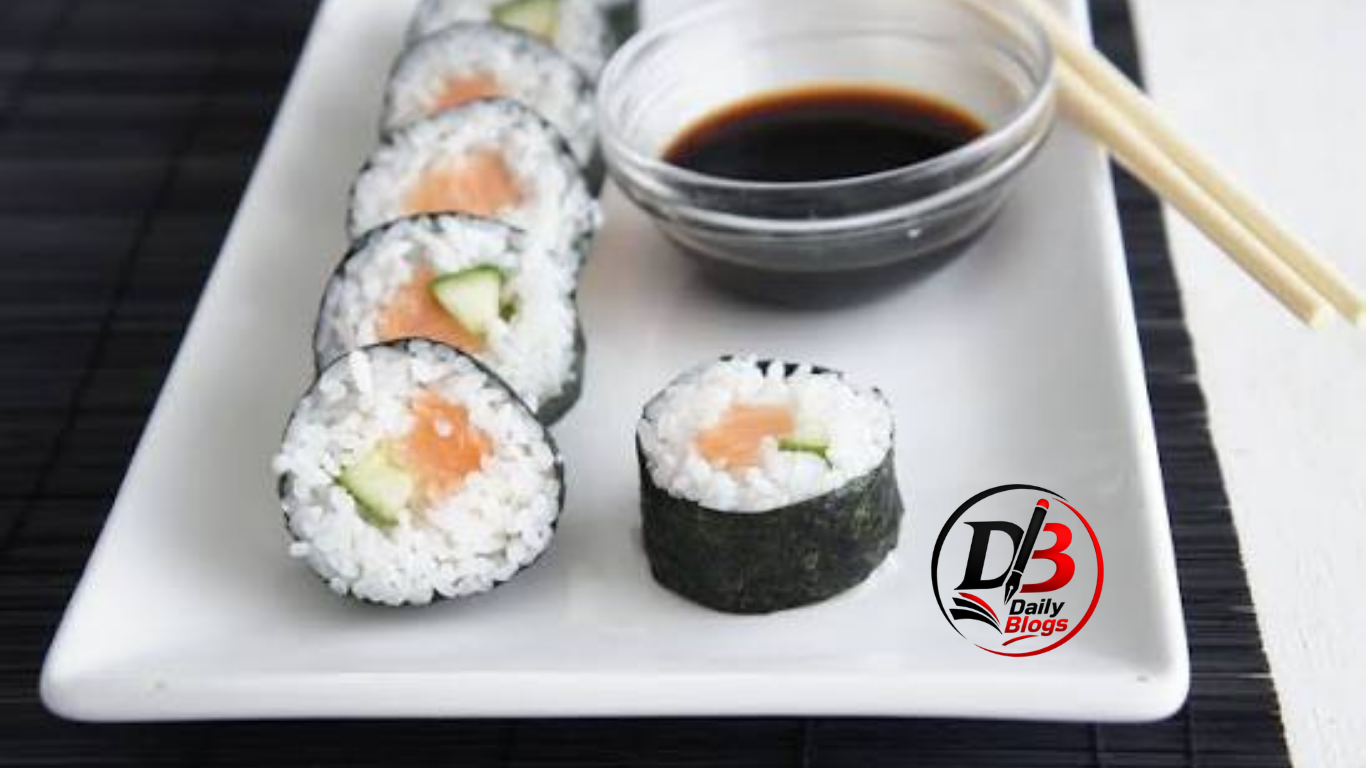
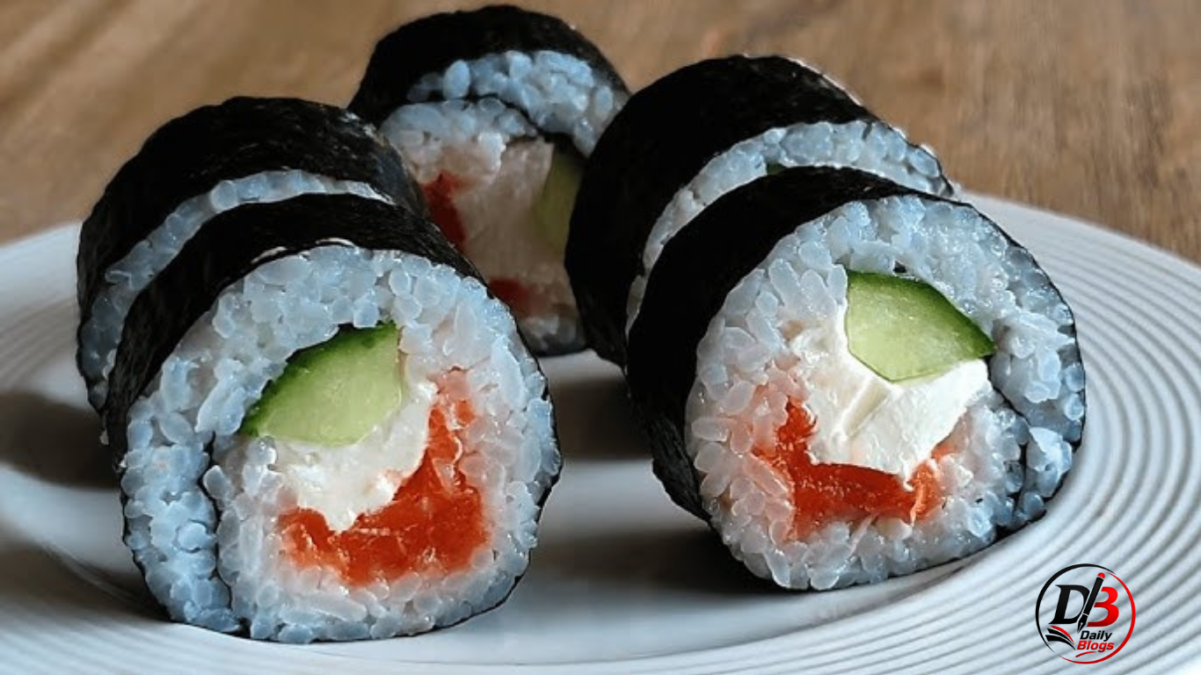
Place a sheet of nori, shiny side down, on a bamboo rolling mat. Spread a thin, even layer of rice across the sheet, leaving a small border at the top edge. Arrange strips of salmon and any chosen fillings in a line across the centre.
Using the mat to guide you, roll the nori away from yourself, pressing gently but firmly to keep everything compact. Once rolled, use a sharp, slightly damp knife to slice the roll into even pieces, wiping the blade between cuts for a clean finish.
Serving
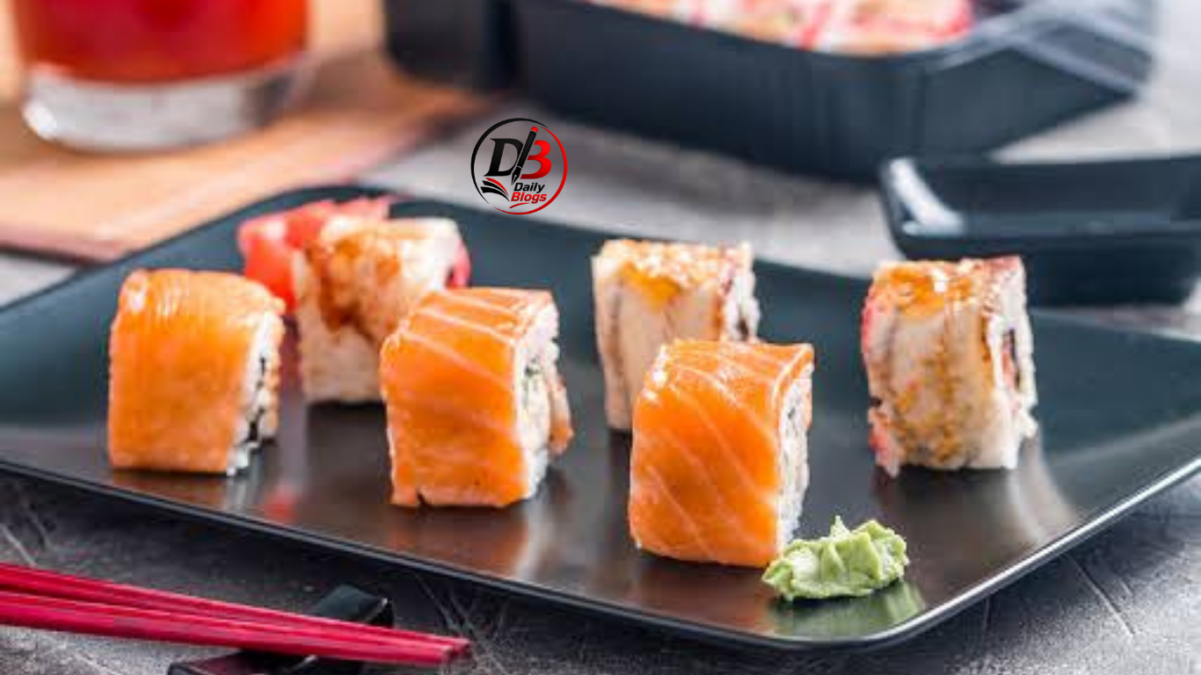
Arrange the pieces on a plate with pickled ginger, a small dab of wasabi and a dish of soy sauce for dipping. A scattering of sesame seeds or finely sliced spring onion adds a final touch of freshness and colour.
Common Mistakes to Avoid
Even experienced home cooks can fall into a few familiar traps. Overcooking or undercooking the rice is one of the most frequent issues — it should be tender but never mushy. Using warm rice for rolling is another common error, as is overfilling the roll, which makes it difficult to seal and slice neatly.
Perhaps most importantly, skipping proper sourcing of the salmon is a mistake that shouldn’t be taken lightly. Where information about a specific supplier’s freezing or handling process isn’t publicly available, it’s always safer to ask directly or choose a fishmonger who can confirm the fish is genuinely sashimi-grade.
Variations Worth Trying
Once the basic technique feels comfortable, there’s plenty of room to experiment. A salmon and avocado maki roll adds creaminess and colour, while a spicy salmon roll — made by mixing diced salmon with a little mayonnaise and chilli sauce — brings a punchier flavour. For those short on time, a salmon sushi bowl (sometimes called chirashi) skips the rolling altogether, layering seasoned rice with sliced salmon and toppings in a bowl instead.
Cooked or seared salmon is another popular option for anyone hesitant about raw fish, offering a milder flavour while still keeping the dish recognisably sushi in spirit.
Quick Recipe Overview
| Detail | Information |
| Recipe Type | Salmon sushi (maki, nigiri or bowl) |
| Cuisine | Japanese |
| Preparation Time | 30–40 minutes |
| Cooking Time | 20 minutes (rice) |
| Serves | 2–4 people |
| Skill Level | Beginner to intermediate |
| Key Ingredients | Sushi rice, sashimi-grade salmon, nori, rice vinegar |
| Storage | Best eaten fresh on the day of preparation |
Why This Recipe Endures
Part of the enduring appeal of a salmon sushi recipe lies in its adaptability. It can be dressed up for a dinner party or kept simple for a quick midweek meal. It also encourages a more mindful approach to cooking, one built on quality ingredients and careful technique rather than shortcuts.
For many home cooks, learning to make sushi is also a small act of confidence-building — proof that a dish once associated exclusively with restaurants can be recreated, safely and deliciously, in an ordinary kitchen.
Conclusion
A well-made salmon sushi recipe is less about complicated technique and more about respecting a few simple principles: good rice, properly sourced fish, and a steady hand when rolling and slicing. Once those basics are in place, the rest becomes a matter of practice and personal taste.