Few objects on a dinner table carry as much quiet influence over an evening as the wine glass. Long before the first sip, the shape of the glass has already begun shaping the experience — directing aroma towards the nose, controlling how much air reaches the surface of the wine, and even affecting how the liquid moves across the tongue. For many people, a glass is simply a glass. Yet anyone who has compared the same bottle poured into two different styles of stemware knows that the vessel genuinely changes how a wine tastes and smells.
Understanding the different types of wine glasses isn’t about snobbery or unnecessary ritual. It’s a practical matter of getting the most out of what’s in the bottle, whether that’s a modest midweek red or a bottle saved for a special occasion. Restaurants, sommeliers and wine producers have spent decades refining glass shapes for this exact reason, and the differences are measurable, not imagined.
This guide walks through the main types of wine glasses, explains why their shapes vary so much, and offers practical advice for building a sensible glass collection without overcomplicating things.
Why Glass Shape Matters
Before looking at individual styles, it helps to understand what a wine glass is actually doing. Three features tend to make the biggest difference: the size of the bowl, the width of the opening (the rim), and the shape of the taper leading up to that rim.
A larger bowl gives wine more surface area, allowing it to breathe and release aromatic compounds more readily. A narrower rim, meanwhile, concentrates those aromas and funnels them towards the nose, rather than letting them dissipate into the room. The angle of the taper also influences where the wine lands on the tongue first, which subtly affects how sweetness, acidity and tannin are perceived.
This is why a glass designed for a bold red wine looks so different from one designed for a delicate sparkling wine. The two drinks behave differently, and the glass is built to accommodate that.
Red Wine Glasses
Red wine glasses are generally larger and rounder than their white wine counterparts, reflecting the fact that many red wines benefit from extra aeration.
Bordeaux Glass
The Bordeaux glass is tall, with a broad bowl and a slightly narrower opening. It’s designed for full-bodied red wines with higher tannin levels, such as Cabernet Sauvignon or Merlot. The height of the glass directs wine towards the back of the mouth, which can help soften the perception of tannin.
Burgundy Glass
The Burgundy glass has an even wider, rounder bowl than the Bordeaux glass, tapering more dramatically towards the rim. This shape suits lighter-bodied, more aromatic reds such as Pinot Noir, where capturing delicate floral and earthy notes matters more than managing heavy tannin.

White Wine Glasses
White wine glasses are typically smaller than red wine glasses, with a narrower bowl. This helps preserve the wine’s cooler serving temperature for longer and keeps its more delicate aromas from becoming overwhelming.
Chardonnay Glass
Chardonnay glasses tend to have a slightly wider bowl than other white wine glasses, especially when designed for oaked styles. The extra room allows the wine’s fuller body and buttery, vanilla-like notes to develop.
Sauvignon Blanc Glass
By contrast, glasses for crisper, more acidic whites like Sauvignon Blanc are narrower still. This narrower shape preserves freshness and directs the wine’s zesty, citrus aromas straight to the nose.
Sparkling Wine Glasses
Sparkling wine has its own dedicated glass shapes, largely because carbonation behaves differently to still wine.
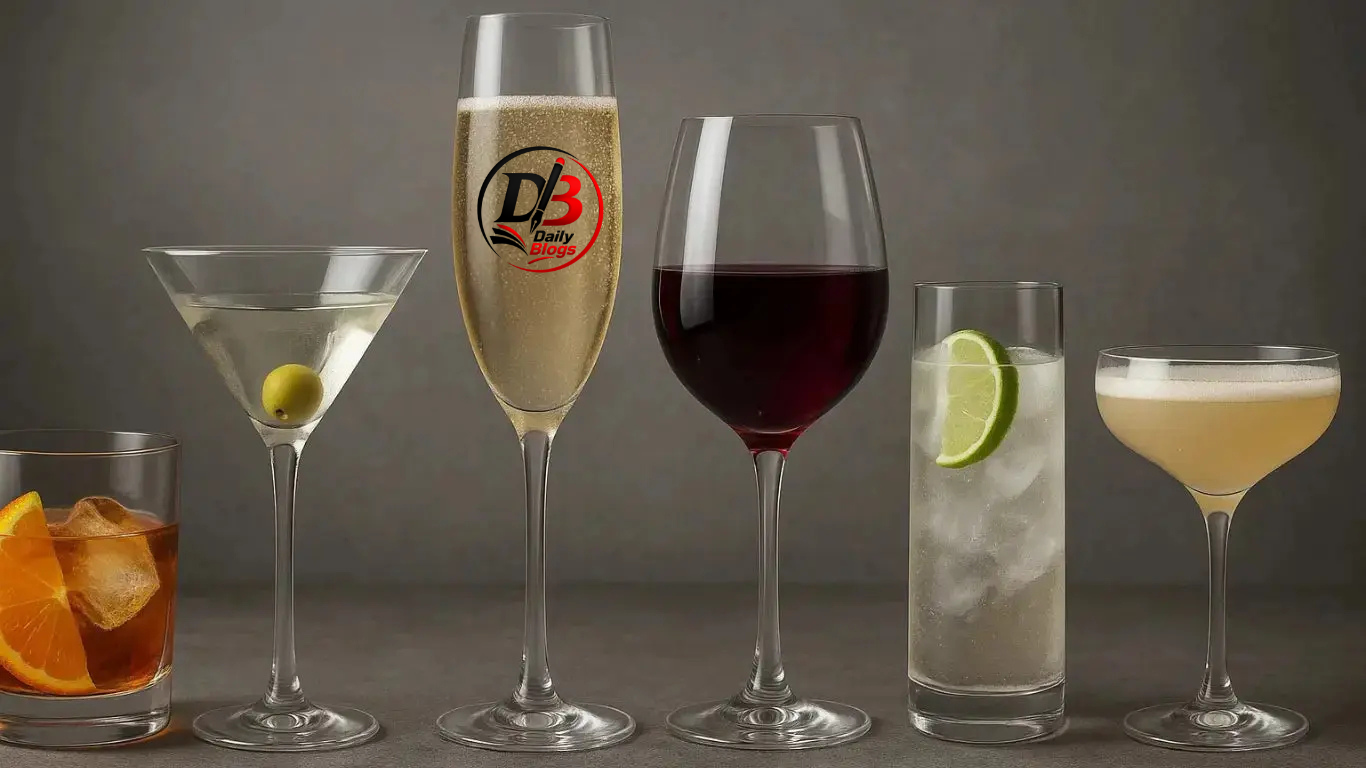
Flute
The Champagne flute is a tall, narrow glass designed to slow the loss of bubbles and showcase the visual appeal of rising carbonation. Its narrow opening also concentrates aroma, which suits the delicate notes typical of Champagne and other sparkling wines.
Coupe
The coupe, a shallow, wide-bowled glass, was popular in earlier decades and has enjoyed a stylish revival at parties and cocktail bars. While visually striking, it causes bubbles to dissipate more quickly than a flute, so it’s often chosen more for aesthetics than for preserving effervescence.
Tulip Glass
The tulip glass combines elements of both styles: a rounder bowl than a flute, but still tapering inward at the rim. This shape is increasingly favoured by sommeliers, as it retains bubbles reasonably well while also allowing more aroma to develop than a traditional flute.
Dessert and Fortified Wine Glasses
Dessert wines and fortified wines, such as Port or Sherry, are usually served in smaller glasses. Because these wines are often higher in alcohol and sweetness, smaller pours are typical, and the reduced glass size matches the serving style. A narrower opening also helps manage the intensity of their aromas.
Universal and All-Purpose Glasses
Not everyone wants — or needs — a cabinet full of specialist stemware. Universal wine glasses, sometimes called “all-purpose” glasses, are designed as a practical middle ground. With a moderately sized bowl that isn’t too narrow or too wide, they perform reasonably well across red, white and even some sparkling wines.
For casual drinkers, or for households that don’t want to juggle multiple glass types, a good-quality universal glass is often the sensible choice. Many wine professionals now recommend investing in one excellent all-purpose glass over several mediocre specialist ones.
Stemless Wine Glasses
Stemless glasses have grown popular for their casual, contemporary look and practicality — they’re sturdier, easier to store, and less prone to tipping over. The trade-off is that holding the bowl directly warms the wine faster with body heat, which can be a drawback for whites and sparkling wines that are best served chilled. They remain a popular, low-fuss option for everyday drinking and outdoor entertaining.
Choosing the Right Glass: Practical Guidance
For most people, building a wine glass collection doesn’t need to be complicated. A sensible starting point is:
- One set of red wine glasses with a generous bowl
- One set of white wine glasses with a narrower bowl
- One set of flutes or tulip glasses for sparkling wine
From there, glassware can be expanded gradually, particularly for those developing a deeper interest in specific wine styles. It’s also worth noting that glass quality matters as much as shape. Thinner, finer rims tend to enhance the drinking experience compared with thicker, more robust glassware, though the latter is often more practical for everyday use and less prone to breakage.
Quick Reference: Types of Wine Glasses at a Glance
| Glass Type | Best Suited For | Key Characteristics |
| Bordeaux Glass | Full-bodied reds (Cabernet Sauvignon, Merlot) | Tall, broad bowl, narrower rim |
| Burgundy Glass | Lighter, aromatic reds (Pinot Noir) | Wide, round bowl, pronounced taper |
| Chardonnay Glass | Fuller-bodied, oaked whites | Slightly wider bowl than standard white glass |
| Sauvignon Blanc Glass | Crisp, acidic whites | Narrow bowl, preserves freshness |
| Champagne Flute | Sparkling wine | Tall, narrow, retains bubbles |
| Coupe | Sparkling wine (style-focused) | Shallow, wide bowl |
| Tulip Glass | Sparkling wine (balanced) | Rounder bowl with tapered rim |
| Dessert/Fortified Glass | Port, Sherry, sweet wines | Small bowl, narrow opening |
| Universal Glass | All wine types | Moderate, balanced bowl size |
| Stemless Glass | Casual, everyday drinking | No stem, sturdier, warms faster |
The Lasting Appeal of Proper Glassware
Interest in the different types of wine glasses has grown alongside a broader appreciation for wine culture more generally. As more people explore wine beyond the basics, the role of glassware has shifted from an afterthought to a genuine point of curiosity — and, for many, a small but meaningful part of enjoying a bottle properly.
None of this means casual drinkers need to overhaul their kitchen cupboards overnight. But understanding why certain glasses are shaped the way they are can make a noticeable difference, whether that’s during a quiet glass of wine after work or a carefully planned dinner party.
Conclusion
Choosing among the many types of wine glasses doesn’t have to be daunting. At its core, the right glass is simply the one that helps a wine express itself most clearly — whether that means a broad-bowled Burgundy glass coaxing out delicate aromas, or a narrow flute preserving the last of the bubbles in a celebratory toast. With a basic understanding of how shape influences taste and aroma, choosing the right glass becomes far less about following rules and far more about enhancing genuine enjoyment.