

Magnesium supplements have become a staple on pharmacy shelves and in wellness routines across the UK, yet the sheer number of forms available can leave shoppers baffled. Ask ten people which one to buy and you’ll likely get ten different answers, with magnesium glycinate and magnesium citrate consistently topping the list of recommendations.
Both are popular, both are well-tolerated compared with older forms such as magnesium oxide, and both claim to support everything from sleep to digestion. But they aren’t interchangeable. Understanding how magnesium glycinate and magnesium citrate differ — in absorption, effect on the gut, and the specific concerns they’re best suited to — can save you money, guesswork and, in some cases, an unplanned trip to the loo.
This guide breaks down what each form actually is, how your body responds to it, and how to decide which one deserves a place in your cupboard.
Why Magnesium Matters in the First Place
Before comparing the two forms, it helps to understand why magnesium is worth paying attention to at all. It’s an essential mineral involved in more than 300 enzymatic reactions in the body, including muscle and nerve function, blood sugar regulation, blood pressure control, and the production of protein, bone and DNA.
Despite its importance, many people don’t get enough magnesium from diet alone. Modern soil depletion, processed food consumption, and higher stress levels — which increase magnesium excretion — all contribute to widespread suboptimal intake, particularly in Western countries. Mild deficiency often goes unnoticed, showing up as fatigue, muscle cramps, poor sleep or irritability rather than anything dramatic.
This is where supplementation comes in, and why the specific form matters. Magnesium is never taken as a standalone element; it’s always bound to another compound, and that compound significantly affects how well it’s absorbed and what side effects, if any, you might experience.
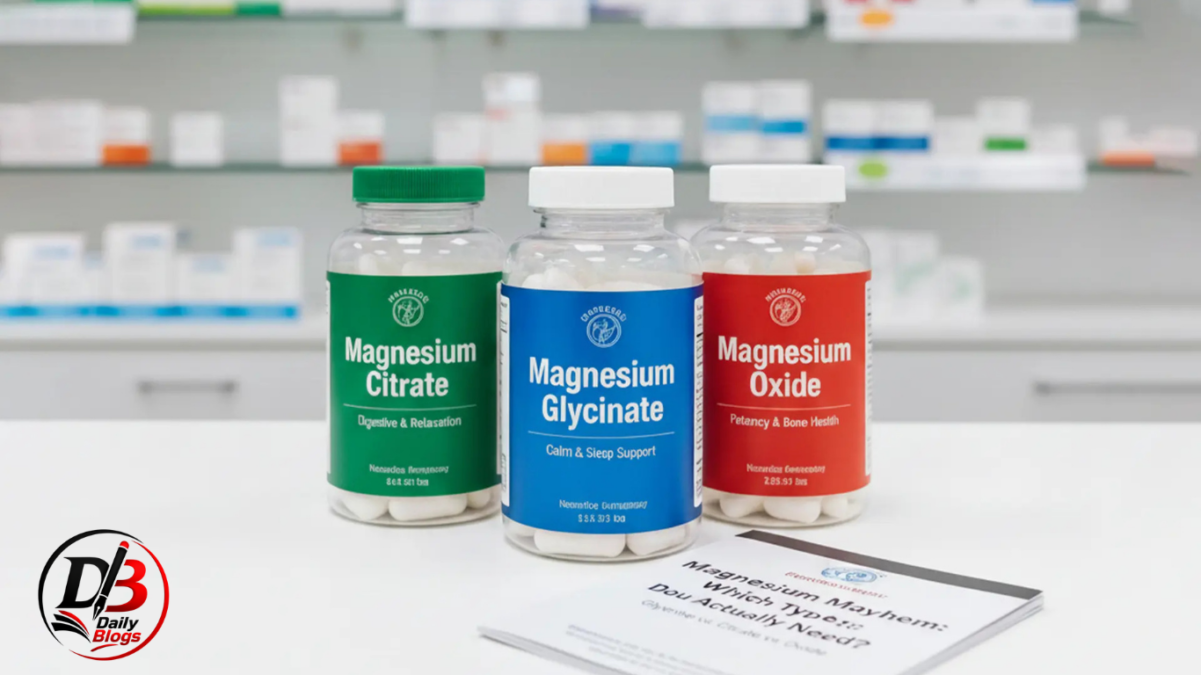
What Is Magnesium Citrate?
Magnesium citrate, by contrast, is magnesium bound to citric acid. It’s one of the most widely available and affordable forms of magnesium, commonly found in high-street pharmacies and supermarkets.
This form is well absorbed by the body, though not quite as efficiently retained as glycinate in some comparisons, and it has a notably stronger effect on bowel movements. In fact, magnesium citrate is often used specifically for this purpose — including, in higher doses, as a preparation for medical procedures that require bowel clearing. For everyday supplementation at standard doses, it’s typically used to address general magnesium deficiency, muscle cramps, or occasional constipation.
Magnesium Glycinate vs Magnesium Citrate: The Key Differences
When people search for “magnesium glycinate vs magnesium citrate,” they’re usually trying to solve one of a few specific problems. Here’s how the two compare across the areas that matter most.
Absorption and Bioavailability
Both forms are considered more bioavailable than older, cheaper options like magnesium oxide. Glycinate’s chelated structure allows it to be absorbed via amino acid transport pathways in the gut, which some research suggests may improve uptake and reduce gastrointestinal side effects. Citrate is also well absorbed, largely because citric acid is water-soluble, but it tends to draw more water into the intestines along the way.
Effect on Digestion
This is the most practical difference for most buyers. Magnesium citrate has a well-documented laxative effect, even at moderate doses, because it pulls water into the bowel.
Common Uses
Magnesium glycinate is typically chosen for:
- Sleep support
- Stress and anxiety management
- Muscle relaxation and cramp relief
- General long-term supplementation without digestive upset
Magnesium citrate is typically chosen for:
- Occasional constipation relief
- General magnesium deficiency
- Situations where a mild laxative effect is welcome, not a drawback
Cost and Availability
Magnesium citrate is usually cheaper and more widely stocked, partly because it’s simpler and less expensive to manufacture. Glycinate, being a chelated compound, often carries a higher price tag, reflecting its more involved production process.
Which One Should You Choose?
The right choice comes down to what you’re trying to achieve.
If your main goal is better sleep, calmer nerves, or muscle relaxation without any impact on your digestion, magnesium glycinate is generally the more suitable option. Its gentler profile makes it appropriate for daily, longer-term use.
If you’re dealing with occasional constipation or simply want an affordable, effective way to top up your magnesium levels and don’t mind a mild digestive effect, magnesium citrate is a sensible, budget-friendly choice.
Some people even use both, at different times, depending on what their body needs that day. There’s no rule that says you must pick a side permanently.
Safety, Side Effects and Things to Consider
Both forms are generally well tolerated by healthy adults when taken at recommended doses, but neither is entirely without risk.
- Magnesium citrate can cause diarrhoea, cramping or dehydration if taken in excess, particularly since higher doses are specifically designed to have a laxative effect.
- Magnesium glycinate is less likely to upset the stomach, but very high doses can still cause mild digestive discomfort in some people.
- Anyone with kidney disease should be especially cautious with any magnesium supplement, as impaired kidney function can lead to magnesium building up to unsafe levels in the blood.
- Magnesium can interact with certain medications, including some antibiotics, diuretics and osteoporosis treatments, so it’s worth checking with a pharmacist or GP before starting a new supplement, particularly if you take regular medication.

Quick Comparison
| Feature | Magnesium Glycinate | Magnesium Citrate |
| Bound to | Glycine (amino acid) | Citric acid |
| Digestive effect | Gentle, low laxative risk | Stronger, mild laxative effect |
| Best for | Sleep, anxiety, muscle relaxation | Constipation, general deficiency |
| Absorption | High | High |
| Typical cost | Higher | Lower |
| Suitable for daily long-term use | Yes | Yes, with attention to dose |
Conclusion
There’s no single “better” option in the magnesium glycinate vs magnesium citrate debate — only the form that better matches your particular goal. If digestive comfort and relaxation are your priority, glycinate tends to be the more forgiving choice. If you’re after an affordable way to address general deficiency, or you wouldn’t mind a gentle nudge to your digestion, citrate does the job reliably.