Matcha has quietly gone from niche Japanese tradition to one of the most talked-about ingredients in modern kitchens, cafés and skincare routines. Yet not all matcha is created equal, and finding the best matcha powder can feel surprisingly confusing given the sheer number of brands, grades and price points now on the market.
This guide takes a closer look at what matcha actually is, how it’s made, what separates a genuinely good tin from an overpriced disappointment, and why this vivid green powder continues to hold such a firm grip on our collective interest.
Whether you’re a long-time devotee whisking a bowl each morning or someone curious about trying it for the first time, understanding the basics will help you choose the best matcha powder for your taste, budget and intended use.
Origins and Background
Matcha’s story begins in China, where powdered tea was first consumed during the Tang and Song dynasties. Buddhist monks travelling between China and Japan carried the practice home with them in the twelfth century, and it was in Japan that matcha was refined into the ceremonial art form still recognised today.
Traditional Japanese tea ceremony, known as chanoyu, elevated matcha from a simple drink into a meditative ritual involving precise preparation, specific utensils and quiet, deliberate movement. This cultural depth is part of why matcha still carries an air of ceremony, even when it’s being stirred into a latte on a busy weekday morning.
The tea itself comes from Camellia sinensis, the same plant used for green, black and oolong teas. What makes matcha distinct is the way it’s grown and processed, which has a direct bearing on flavour, colour and, ultimately, quality.
How Matcha Is Made and Graded
Around three to four weeks before harvest, matcha plants are shaded from direct sunlight. This step is crucial: reduced sunlight boosts chlorophyll production, giving the leaves their intense green colour, while also increasing levels of L-theanine, an amino acid associated with a calm, focused form of alertness.
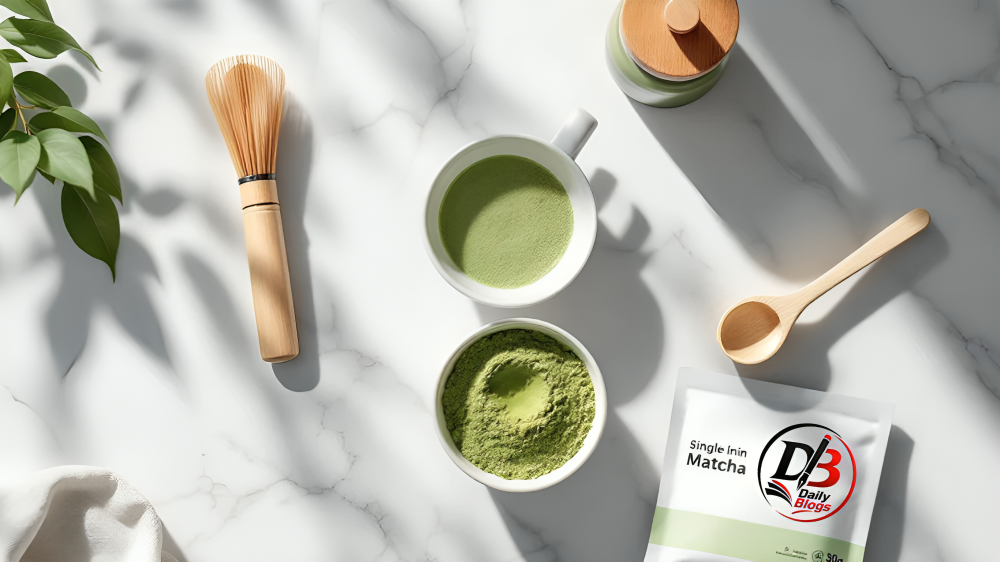
After harvesting, the leaves are steamed to halt oxidation, then dried and de-stemmed to produce a product called tencha. This is then stone-ground, slowly and carefully, into the fine powder we recognise as matcha. Traditional granite stone mills grind at a low speed to avoid heat damage, which is one reason genuinely high-grade matcha remains relatively expensive to produce.
Matcha is generally divided into two broad categories:
- Ceremonial grade – made from the youngest, most tender leaves, ground finely and prized for its smooth, naturally sweet flavour. Best enjoyed simply whisked with hot water.
- Culinary grade – slightly more robust and bitter, made from older leaves, and better suited to baking, smoothies, lattes and cooking, where other ingredients balance its stronger taste.
Understanding this distinction is the single most useful thing to know before buying, since many disappointing matcha experiences come down to using the wrong grade for the wrong purpose.
What Separates the Best Matcha Powder From the Rest
Not every tin labelled “premium” lives up to the description. A few practical factors consistently separate excellent matcha from mediocre matcha.
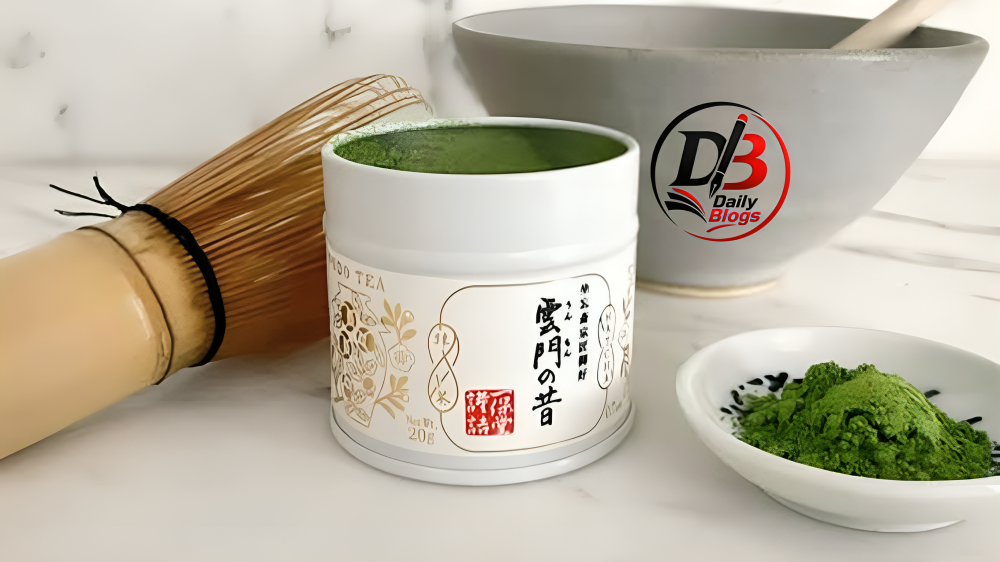
Colour is often the first giveaway. Genuinely high-quality matcha tends towards a vibrant, almost luminous green. Dull, yellowish or brownish powder usually indicates lower-grade leaves, oxidation, or age.
Origin matters considerably. Regions such as Uji in Kyoto, Nishio in Aichi, and parts of Kagoshima have long-established reputations for high-quality tea cultivation, thanks to favourable soil, climate and generations of expertise. Matcha grown and processed in Japan, particularly from these regions, tends to command trust among enthusiasts, though this isn’t an absolute guarantee of quality on its own.
Texture should be extremely fine, almost silky, with no gritty feel between the fingers. Coarser powder suggests machine grinding rather than traditional stone milling, which can affect both flavour and how well the powder dissolves.
Taste is the ultimate test. Good matcha should have a balance of gentle bitterness, natural sweetness and a rounded, almost creamy finish known in Japanese as umami. Harsh, overwhelmingly bitter or astringent matcha is often a sign of lower-grade leaves or poor storage.
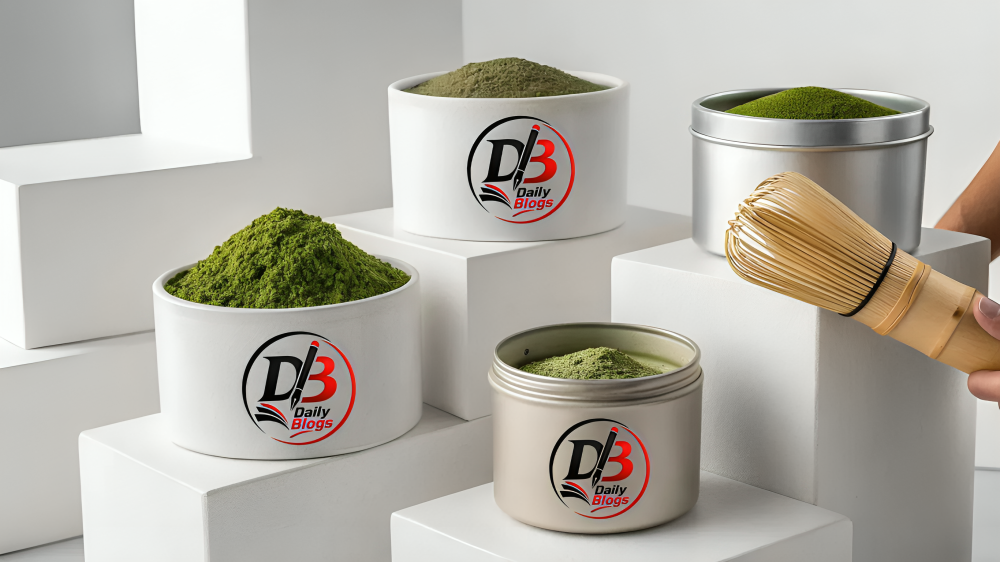
Packaging and freshness also play a bigger role than many buyers realise. Matcha is sensitive to light, air, heat and moisture, all of which accelerate degradation. The best matcha powder is typically sold in airtight, resealable, light-blocking tins or pouches, with a clear harvest or packing date.
Common Pitfalls When Buying Matcha
Even well-intentioned buyers can end up disappointed, usually for a handful of avoidable reasons.
Choosing based on price alone is one of the most common mistakes. While matcha doesn’t need to be extortionate, prices that seem too good to be true for “ceremonial grade” often are exactly that.
Another frequent issue is storage after purchase. Matcha should be kept in an airtight container in the refrigerator once opened, away from strong odours it can easily absorb. Left in a warm, bright kitchen cupboard, even excellent matcha will fade in colour and flavour within weeks.
Finally, many newcomers use ceremonial-grade matcha in recipes designed for the culinary variety, or vice versa, leading to results that taste either underwhelming or unpleasantly bitter. Matching the grade to the intended use makes a noticeable difference.
Everyday Uses and Health Considerations
Matcha’s appeal extends well beyond tradition. A single serving contains caffeine alongside L-theanine, a combination many people find produces a steadier, less jittery form of alertness compared with coffee.
It’s also a source of antioxidants called catechins, particularly EGCG, which have been studied for their potential role in supporting general health, though it’s worth noting that research is ongoing and matcha should be treated as part of a balanced diet rather than a cure-all.
Beyond the traditional whisked bowl, matcha has found its way into lattes, smoothies, baked goods, ice cream and even skincare products, reflecting just how versatile this ingredient has become in modern kitchens and beauty routines alike.
Where to Buy and Current Trends
Specialist tea retailers, Japanese grocery stores and reputable online sellers remain the most reliable sources for high-quality matcha, often providing clear information about origin, grade and harvest date. Many long-established Japanese tea companies now ship internationally, making genuinely good matcha more accessible than it once was.
In recent years, matcha has also become a fixture in high-street cafés, with matcha lattes, matcha desserts and even matcha-flavoured snacks appearing widely. This mainstream popularity has been a double-edged sword: it has introduced matcha to a much wider audience, but it has also led to an increase in lower-quality products cashing in on the trend, making informed buying even more important.
Quick Buying Guide
| Detail | Information |
| Product Type | Powdered green tea (matcha) |
| Main Origin | Japan (notably Uji, Nishio, Kagoshima) |
| Best Grades | Ceremonial (drinking) and Culinary (cooking/baking) |
| Ideal Colour | Vibrant, bright green |
| Ideal Texture | Extremely fine, silky, no grit |
| Storage | Airtight container, refrigerated, away from light |
| Common Uses | Traditional tea, lattes, baking, smoothies, skincare |
| Key Compounds | Caffeine, L-theanine, catechins (including EGCG) |
Why Matcha Remains So Popular
Matcha’s staying power lies in its rare combination of cultural depth, distinctive flavour and genuine versatility. It carries centuries of tradition, yet fits comfortably into modern routines, from a quiet morning ritual to a quick oat-milk latte on the way to work.
Its influence on the wider food and drink industry has been significant, encouraging renewed interest in Japanese tea culture and inspiring countless recipes far removed from its ceremonial origins. For many, matcha also represents a more mindful alternative to coffee, offering energy without the same sharp peaks and crashes.
Ultimately, the popularity of matcha reflects a broader appetite for ingredients with both substance and story, something manufactured trends rarely manage to replicate.
Conclusion
Choosing the best matcha powder isn’t about chasing the most expensive tin on the shelf, but about understanding what you’re buying, why it matters, and how to look after it once it’s in your kitchen. With a little knowledge of grades, origins and storage, it becomes far easier to separate genuinely excellent matcha from powder that simply trades on the trend.