
Searching for “exercise bikes near me” has become one of the most common fitness queries for people across the UK. Whether you live in a busy city flat or a quiet suburban home, the appeal of hopping on a stationary bike without leaving the house is clear. Rain, traffic, or a packed gym timetable no longer stand in the way of a solid cardio session. An exercise bike offers a convenient, low-impact way to improve fitness, burn calories and support mental wellbeing, all from the comfort of your own space.
The rise of home workouts has turned what was once a niche piece of gym equipment into a household essential for many. People of all ages and fitness levels now look for reliable options close by, whether that means browsing local sports shops, checking high-street retailers or arranging home delivery from national brands. Understanding the different types available, the features that matter and how to choose wisely can make the difference between a bike that gathers dust and one that becomes part of a lasting routine.
Early History and Background
Stationary cycling has deeper roots than many realise. Devices resembling modern exercise bikes appeared as early as the late 18th century. The Gymnasticon, patented in 1796 by Francis Lowndes, used flywheels and cranks to exercise both arms and legs. It was designed more for therapeutic purposes than sport, helping people with limited mobility stay active.
By the late 19th century, as ordinary bicycles grew popular, inventors created indoor trainers so cyclists could practise year-round. Early “home trainers” and rollers allowed riders to pedal in place. In the 20th century the design refined further. Companies such as Schwinn introduced upright models in the 1960s, while the Airdyne arrived in the late 1970s with its distinctive fan resistance that also engaged the upper body. These machines found a place in physiotherapy clinics and home gyms because they required little floor space and offered controlled, progressive exercise.
The modern boom came with the growth of indoor cycling classes in the 1990s and the later arrival of connected smart bikes. Today’s models range from simple magnetic resistance machines to interactive systems that stream live classes and track performance metrics. What began as a practical indoor alternative has become a sophisticated fitness tool available in shops and online retailers throughout the UK.
Types of Exercise Bikes and Their Rise in Popularity
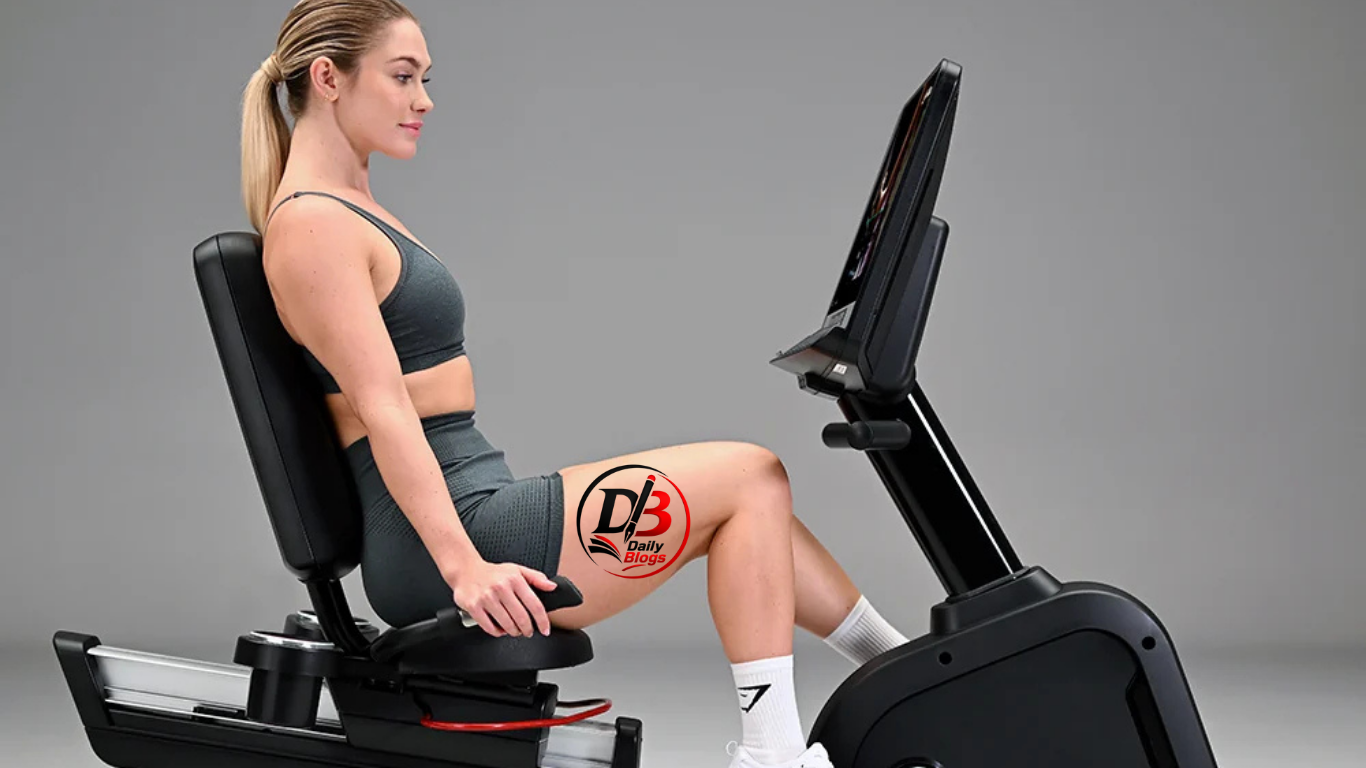
Several main styles dominate the market. Upright bikes place the rider in a traditional seated position similar to a road bike. They are often compact, relatively affordable and suitable for general cardio and leg strengthening. Recumbent bikes feature a reclined seat with back support and pedals positioned in front. These prove especially useful for beginners, older adults or anyone recovering from injury, as they reduce strain on the lower back and joints.
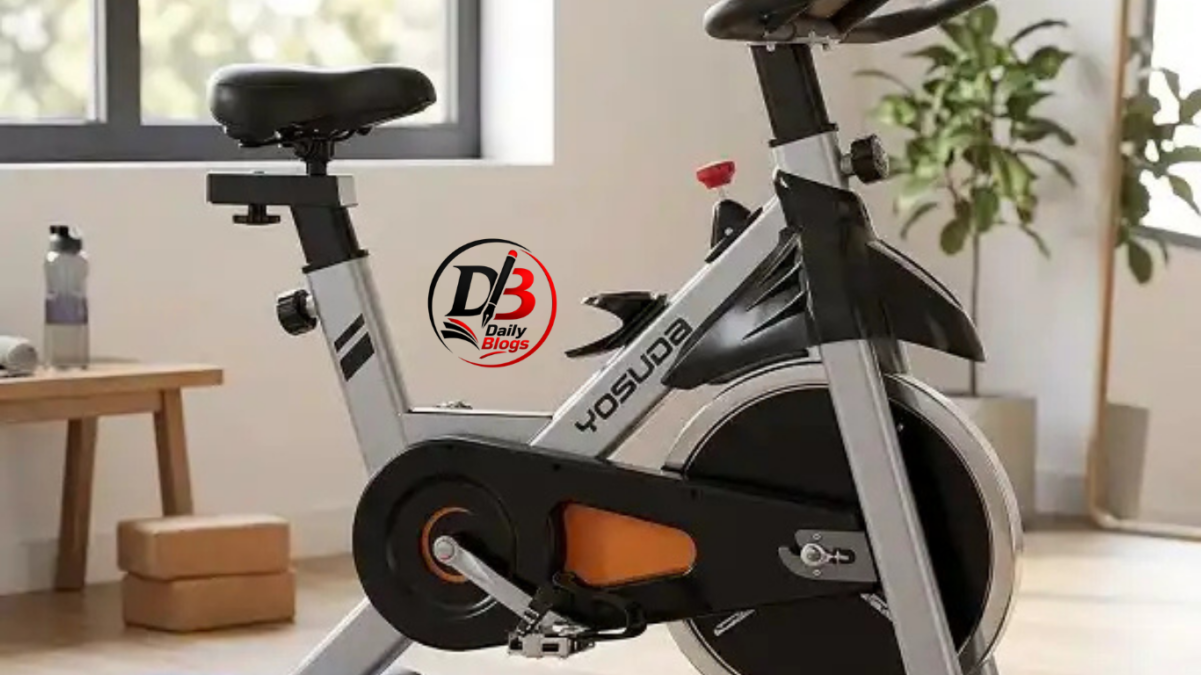
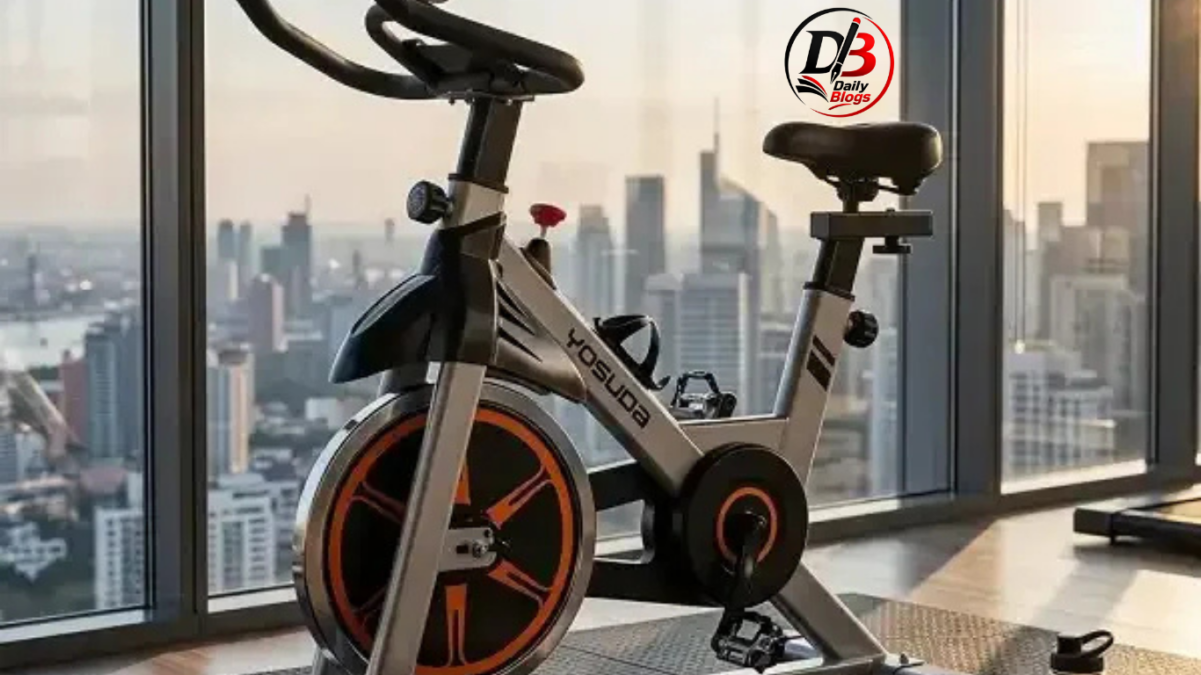
Indoor cycling or spin-style bikes have a heavier flywheel and a more aggressive geometry that allows riders to stand and sprint. They deliver higher-intensity workouts favoured by those who enjoy structured classes. Air bikes use a large fan for resistance that increases with pedalling effort and often include moving handlebars for a full-body challenge. Under-desk models offer a quieter, more compact option for people who want to move while working.
The popularity of these machines surged during periods when outdoor exercise was restricted and has remained strong as more people value convenience and privacy. Local availability has improved dramatically. Many high-street chains, specialist fitness stores and department stores stock a range of models, while online platforms offer next-day delivery or click-and-collect services that make “exercise bikes near me” searches highly practical.
Choosing the Right Bike and Overcoming Common Challenges
Selecting an exercise bike involves balancing several practical factors. Available floor space is often the first consideration. Folding upright models suit smaller homes, while heavier spin bikes need a dedicated corner and a protective mat to catch sweat and protect flooring. Noise levels matter in flats or shared households; magnetic resistance systems are generally quieter than friction or air-based ones.
User weight limits, seat adjustability and handlebar reach should match the people who will use the bike. A comfortable saddle and smooth resistance progression encourage consistent use. Budget ranges widely: basic models start at lower price points, while feature-rich smart bikes with large screens and subscription platforms cost considerably more. Warranties of several years on the frame provide useful reassurance.
Common setbacks include buying a bike that feels unstable or uncomfortable after a few sessions, or underestimating the space needed for safe use. Checking maximum user weight, testing the seat position where possible, and reading recent independent reviews help avoid disappointment. Delivery and assembly can also present challenges; many retailers offer installation services or clear instructions. Once set up correctly and used with realistic goals, most people find the equipment reliable and motivating.
Practical Everyday Use and Supporting Features
An exercise bike fits neatly into daily life. Short 20- to 30-minute sessions can burn a significant number of calories while remaining gentle on the joints. Harvard Health data indicates that moderate cycling for half an hour may burn roughly 210–294 calories depending on body weight and intensity. Regular use strengthens the quadriceps, hamstrings, glutes and calves, improves cardiovascular fitness and can support weight-management goals when combined with balanced nutrition.
Many modern bikes include basic consoles that display time, distance, speed and estimated calories. Higher-end models connect to apps, offer guided workouts or sync with heart-rate monitors. Some users place the bike in front of a television or tablet and enjoy entertainment while pedalling, turning exercise into a more enjoyable habit. Quiet magnetic systems allow early-morning or late-evening sessions without disturbing others.
Publicly available guidance from consumer testing organisations and fitness specialists consistently stresses the value of starting gradually, focusing on consistency rather than extreme intensity, and adjusting resistance to suit individual fitness levels. This measured approach reduces the risk of overuse injuries and builds lasting confidence.
Current Options and Where to Look Locally
Retailers across the UK stock a broad selection. High-street names, specialist fitness outlets and large online platforms all feature upright, recumbent, spin and smart models from established brands. Local availability often includes the chance to view machines in person, assess build quality and confirm dimensions before purchase. Click-and-collect and home-delivery options further simplify the process for those searching “exercise bikes near me”.
Recent testing by independent organisations highlights reliable performers across different budgets. Features such as adjustable seats, smooth magnetic resistance, clear displays and solid frames receive consistent praise. Smart bikes with large screens and structured class libraries appeal to those who enjoy guided sessions, while simpler machines suit users who prefer independent training or already follow outdoor cycling programmes.
Charity shops and second-hand marketplaces occasionally offer used models, though checking condition, safety and remaining warranty is essential. For most buyers, purchasing from a reputable retailer with clear return policies remains the more straightforward route.
Quick Facts
| Detail | Information |
| Main Types | Upright, recumbent, indoor cycling/spin, air, under-desk |
| Typical Price Range (UK) | From around £100 for basic models to £2,000+ for premium smart bikes |
| Key Benefits | Low-impact cardio, calorie burn, leg strength, joint-friendly |
| Common Resistance | Magnetic (quiet), air, friction |
| Space Considerations | Compact folding options available; heavier models need dedicated area |
| Ideal For | Home workouts, all fitness levels, rehabilitation support |
| Popular Features | Adjustable seat/handlebars, console metrics, app connectivity |
| Maintenance | Generally low; magnetic systems need little upkeep |
Lasting Value and Everyday Impact
Exercise bikes continue to matter because they remove many traditional barriers to regular activity. They require no special weather conditions, no travel time and minimal joint stress. For people managing busy schedules, recovering from injury or simply preferring privacy, the machines provide a practical route to better fitness. Their influence extends beyond individual users; the growth of home equipment has encouraged manufacturers to improve comfort, quietness and connectivity, raising overall standards.
Public perception remains largely positive. The bikes are widely recognised as effective tools for cardiovascular health and accessible entry points into exercise. Lessons from their widespread adoption include the importance of matching equipment to personal circumstances and the value of consistency over perfection. A well-chosen bike used regularly can support long-term physical and mental wellbeing without demanding a complete lifestyle overhaul.
Conclusion
Searching for exercise bikes near me reflects a practical desire for accessible, effective fitness solutions. From their early therapeutic origins to today’s connected models, stationary bikes have evolved into reliable companions for home exercise. By considering space, comfort, resistance type and personal goals, most people can find a machine that fits both their home and their routine.