Searching for coban salatasi near me often leads food lovers straight to the bright, crunchy heart of Turkish cuisine. This simple yet vibrant salad has become a firm favourite on menus across the UK, from bustling London ocakbaşı spots to neighbourhood Turkish restaurants further afield. Its clean flavours and everyday ingredients make it the perfect side or light meal when the weather turns warm.
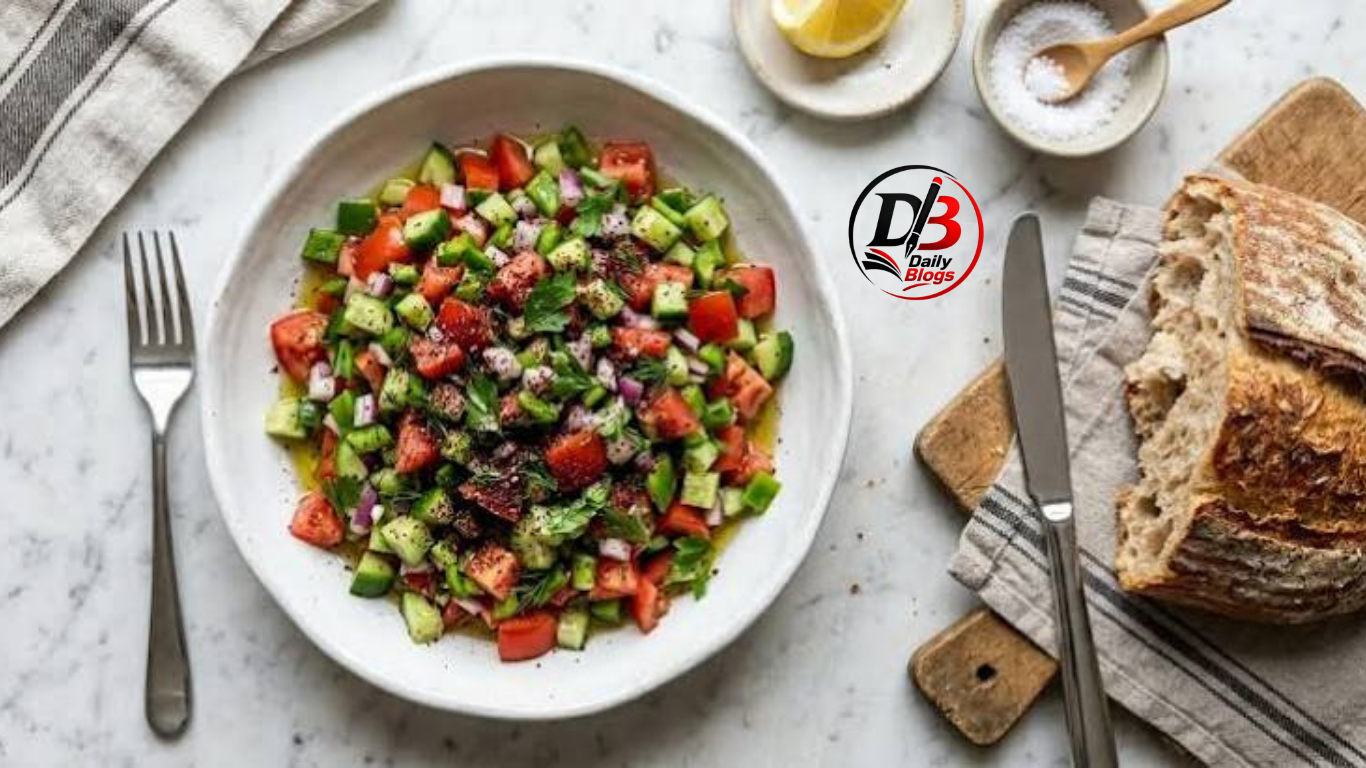
Çoban salatası, also known as shepherd’s salad or choban salad, captures the essence of seasonal eating. Finely chopped tomatoes, cucumbers, onions, green peppers and flat-leaf parsley come together with a light dressing of lemon juice, olive oil and salt. The result is refreshing, tangy and endlessly adaptable. Readers keep returning to it because it feels both familiar and distinctive — a dish that sits comfortably beside grilled meats, meze spreads or a simple plate of bread and cheese.
Early Life and Background
The roots of çoban salatası lie in the practical traditions of rural Anatolia. The name translates directly as “shepherd’s salad.” Turkish shepherds, known as çoban, traditionally spent long days in the fields and mountains tending flocks. Villagers often paid them in kind with garden produce — tomatoes, cucumbers, onions and peppers. These sturdy, no-cook ingredients could be carried easily and prepared on the spot for a quick midday meal.
Historical accounts suggest the modern form of the salad emerged more clearly in the mid-20th century. Tomatoes, introduced to the Old World from the Americas in the 16th century, only became widespread in Turkish cooking later. By the 1950s the combination of chopped summer vegetables dressed simply with oil and lemon had settled into everyday home cooking and restaurant tables across Turkey. Similar chopped salads appear throughout the Eastern Mediterranean and Middle East — Greek salad, Israeli salad, Shirazi salad in Iran, and others — yet the Turkish version retains its own clear identity through the fine dice, generous parsley and restrained seasoning.
Education in this case was informal and practical. Generations of cooks learned by watching mothers and grandmothers prepare the vegetables with a sharp knife, aiming for uniform small pieces so every bite carried the same bright mix of flavours. Early interests centred on whatever the garden or local market offered at peak ripeness. The dish entered professional kitchens as Turkish dining culture expanded beyond the home, appearing on meyhane tables and in city restaurants as a reliable, crowd-pleasing side.
Career and Rise to Fame
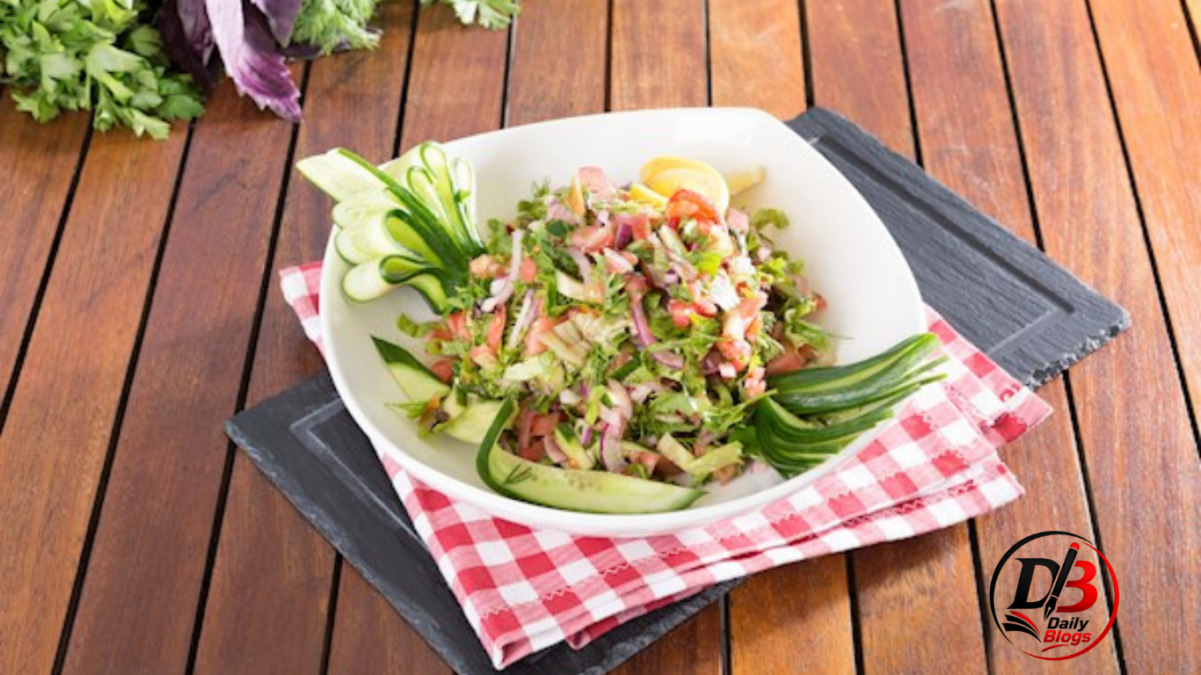
Çoban salatası began as humble field fare and steadily rose to become one of Turkey’s most recognisable salads. Its breakthrough came with the growth of urban restaurants and the global spread of Turkish cuisine. Once city cooks refined the rustic preparation — peeling tomatoes for a cleaner texture, balancing the onion so it did not overpower, and adding just enough parsley — the salad found a permanent place on menus.
Major milestones include its regular appearance alongside kebabs, köfte and grilled fish. It travels well on meze platters and pairs naturally with warm flatbread for mopping up the juices. Recognition has been quieter than for more elaborate dishes, yet it is constant: food writers and home cooks alike praise its reliability and the way it showcases good produce. Collaborations are everyday rather than glamorous — the salad works with almost any Turkish main course and appears in countless home and restaurant variations.
Public reputation rests on honesty. Diners know what they are getting: fresh, crunchy, lightly dressed vegetables that cut through richer flavours. In the UK the dish has benefited from the popularity of Turkish restaurants, particularly in areas with established communities. Searching for coban salatasi near me frequently points to places that take pride in proper preparation rather than heavy-handed seasoning.
Personal Challenges or Turning Points
Verified challenges for the salad itself centre on ingredient quality and seasonality. Outside peak summer months, tomatoes can lack flavour and cucumbers may be watery. Cooks have long adapted by choosing the firmest available produce, sometimes removing excess seeds or adjusting the ratio of vegetables. Career setbacks in the broader sense include the risk of sogginess if dressed too early, or the temptation to over-complicate a dish whose strength is simplicity.
Major life events for the recipe have been cultural rather than dramatic. The global movement of produce and people carried the idea of chopped vegetable salads far beyond Anatolia. Resilience shows in its staying power: even as food trends come and go, the basic formula remains unchanged because it works. Personal growth, if one can speak of a dish this way, lies in the quiet confidence of cooks who trust good ingredients and minimal intervention.
No reliable public sources support elaborate origin myths beyond the practical shepherd story. Claims of ancient pedigree are best treated cautiously; the salad as commonly known is a relatively modern expression of older habits of eating fresh vegetables with oil and acid.
Personal Life
Publicly confirmed information about çoban salatası is limited to the plate. It has no private relationships, marriages or children in the conventional sense. Its family life is the wider Turkish table — shared with cacık, ezme, grilled meats and bread. Public statements come from cookbooks and restaurant menus that simply list the ingredients and method. Speculation about secret family recipes or celebrity endorsements adds little; the dish succeeds through consistency rather than drama.
Later Career and Current Activities
In recent years çoban salatası continues to appear on menus in Turkish restaurants across the UK. Many places in London, from Green Lanes in Harringay to Dalston and beyond, serve versions that stay close to the classic. Searching coban salatasi near me often yields results at established ocakbaşı restaurants where the salad arrives as a complimentary or low-cost side alongside warm bread. Home cooks share recipes online and in print, sometimes adding a pinch of sumac or a little mint while keeping the core intact.
Charity or advocacy work is not attached to the salad, yet its low-cost, plant-forward nature fits contemporary interest in accessible, vegetable-led eating. Business ventures take the form of ready-prepared versions in some delis or the quiet inclusion on takeaway and delivery menus. Professional activity remains the same as ever: chopping, dressing and serving at the moment of eating so the vegetables stay crisp.
Quick Bio
| Detail | Information |
| Full Name | Çoban Salatası (Shepherd’s Salad) |
| Date of Birth | Mid-20th century in popular form |
| Place of Birth | Turkey (Anatolia) |
| Nationality | Turkish |
| Profession | Salad / side dish |
| Years Active | 1950s–present |
| Known For | Finely chopped tomatoes, cucumber, onion, pepper, parsley with lemon-olive oil dressing |
| Estimated Net Worth | Not applicable |
Legacy and Lasting Impact
Çoban salatası remains important because it demonstrates how simple ingredients, treated with care, can deliver lasting pleasure. Its influence appears in the many chopped salads that share a similar spirit across the region. Public perception is affectionate and practical: it is the reliable friend on the table rather than the showpiece. Lessons from its story include the value of seasonality, the strength of restraint in seasoning, and the pleasure of food that requires no special equipment or long cooking.
Conclusion
From its practical beginnings among shepherds to its place on restaurant tables and home kitchens, çoban salatası has stayed true to a clear idea: fresh vegetables, a light dressing, and immediate enjoyment. Searching for coban salatasi near me is often the start of a satisfying meal that feels both nourishing and unpretentious. The dish rewards attention to quality produce and timing, yet forgives small variations. Its quiet longevity says more than any elaborate claim.